
Oyewumi Advises Tinubu to Pick Hausa-Fulani Running Mate, Reserve Senate Presidency for South-East
A political stakeholder, Oyewumi, has advised President Bola Ahmed Tinubu to consider picking a Hausa-Fulani running mate for the 2027 elections and reserve the Senate Presidency for the South-East region.
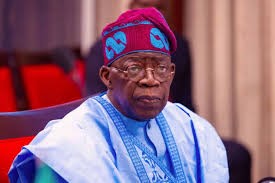
A prominent political stakeholder, Oyewumi, has offered strategic advice to President Bola Ahmed Tinubu ahead of the 2027 general elections, urging him to pick a Hausa-Fulani running mate and reserve the Senate Presidency for the South-East region.
The advice, which has stirred political conversations across the country, is being viewed as part of a broader strategy aimed at promoting national unity, ensuring political balance, and building a more inclusive political arrangement ahead of the next elections.
Oyewumi argued that the recommendations, if adopted by the President, would send a strong signal about the administration's commitment to inclusive governance, geographical balance, and the accommodation of the various regions and ethnic groups that make up the country.
According to the political stakeholder, the current political dispensation offers an opportunity to make deliberate choices that could deepen the country's democratic development, strengthen national cohesion, and address longstanding grievances relating to political representation.
The suggestion to pick a Hausa-Fulani running mate is being viewed against the backdrop of the current political configuration, where President Tinubu, who hails from the South-West, is currently paired with Vice President Kashim Shettima, who is from the North-East.
Oyewumi's advice implies a reconfiguration of the ticket for the 2027 elections, with a Hausa-Fulani running mate potentially providing a stronger appeal in the North-West and other Hausa-Fulani majority areas of the country.
The North-West region, which is one of Nigeria's most populous geopolitical zones, has traditionally been a critical voting bloc in the country's presidential elections, with its support often being decisive in determining electoral outcomes.
The Hausa-Fulani ethnic group, which is the largest in Northern Nigeria, has also played significant roles in the country's political history, producing several presidents, prime ministers, and other high-ranking political figures.
The recommendation to reserve the Senate Presidency for the South-East region has also generated significant discussions, particularly given the ongoing conversations about the political integration of the South-East into the country's mainstream political arrangement.
The South-East region has, in recent decades, expressed concerns about what many perceive as its marginalisation from key positions of power at the federal level, particularly the presidency and other top political offices.
The Senate Presidency, one of the most prestigious political positions in the country, has been held by various regions over the years, with the current occupant being Senator Godswill Akpabio from the South-South.
Reserving the position for the South-East region would be seen as a significant political gesture, potentially strengthening the region's engagement with the broader political process and addressing longstanding concerns about political inclusion.
Various stakeholders have called for a more equitable distribution of political offices across the country's six geopolitical zones, stressing the importance of representation, inclusion, and balance in strengthening the country's democracy.
The specific recommendations from Oyewumi align with these broader calls, offering concrete suggestions on how the country's political arrangement could be structured to promote greater inclusion and balance.
The advice comes as various political parties, including the ruling All Progressives Congress (APC), the Peoples Democratic Party (PDP), the African Democratic Congress (ADC), the Nigeria Democratic Congress (NDC), the Labour Party (LP), and others, intensify their preparations for the 2027 general elections.
Various political realignments, defections, alliances, and other developments have continued to shape the country's political landscape, with the 2027 elections expected to be one of the most consequential in the country's recent history.
The APC, under President Bola Ahmed Tinubu, has continued to engage with its preparations, including consultations with political stakeholders, strategy sessions, and various political engagements.
The party has also engaged with various initiatives aimed at consolidating its political base, expanding its structures, and preparing for the electoral battle ahead.
The opposition parties, including the ADC, the NDC, the PDP, the LP, and others, have also been engaged in intense political activities, with various coalition discussions, candidate emergences, and other developments shaping their preparations.
Various political figures, including former Vice President Atiku Abubakar, former Anambra State Governor Peter Obi, former Kano State Governor Rabiu Musa Kwankwaso, and others, have been at the centre of the opposition's political engagements.
The various parties have been engaged in efforts to build strong coalitions, articulate compelling policy agendas, and mobilise support across the country ahead of the 2027 elections.
The recommendations from Oyewumi to President Tinubu are being viewed against this broader context, with implications for both the ruling party's strategy and the country's broader political discourse.
Various political observers, analysts, and stakeholders have weighed in on the recommendations, offering perspectives on their potential impact and the political dynamics at play.
Some observers have expressed support for the recommendations, arguing that they would provide a stronger political ticket for the ruling party and address concerns about regional representation.
Others have raised questions about the specific political calculations underlying the recommendations, including the potential impact on the current Vice President and the broader political configuration.
Some critics have also argued that political appointments should be based on merit, competence, and capacity, rather than solely on regional or ethnic considerations, while acknowledging the importance of representation and inclusion.
The debate reflects the complex political dynamics of the country, where various factors, including regional representation, ethnic considerations, competence, party loyalty, and political strategy, all play significant roles in shaping political outcomes.
President Bola Ahmed Tinubu has, on various occasions, emphasised his commitment to national unity, inclusive governance, and the fair representation of all regions and groups in the country.
The President's administration has continued to engage with these principles, with various appointments and political engagements reflecting efforts to ensure balance and inclusion.
However, various stakeholders continue to engage with the specifics of these arrangements, offering perspectives on how the country's political configuration could be structured to promote greater inclusion, balance, and effectiveness.
The recommendations from Oyewumi represent one such contribution to the ongoing political conversations, providing specific suggestions on how the ruling party's ticket for the 2027 elections and the broader political configuration could be structured.
Various stakeholders are expected to continue to engage with these suggestions and offer their own perspectives on the country's political direction.
The 2027 general elections are still some months away, with various political engagements, campaign activities, primaries, and other electoral processes expected to unfold in the coming months.
The Independent National Electoral Commission (INEC) has continued to prepare for the elections, including through voter registration, the accreditation of political parties, and the deployment of technology to strengthen the credibility of the electoral process.
The commission has also engaged with political parties, civil society organisations, security agencies, and other stakeholders in ensuring that the elections are conducted in a peaceful, transparent, and credible manner.
Various civil society organisations, election observers, and international partners have continued to engage with the electoral process, offering support, monitoring developments, and advocating for reforms.
The role of the media has also remained critical in providing accurate, balanced, and comprehensive coverage of the electoral process and the broader political developments in the country.
The recommendations from Oyewumi, along with the various other political conversations and engagements, are expected to continue to shape the political discourse in the coming months.
Various stakeholders, including political parties, candidates, civil society organisations, and citizens, are expected to engage with these conversations and contribute to shaping the country's political direction.
The APC, under President Tinubu's leadership, will need to make critical decisions about its ticket for the 2027 elections, including the choice of running mate, the political configuration for the top leadership positions, and the broader strategy for engaging Nigerians.
Various considerations, including political calculations, regional representation, competence, party loyalty, and public appeal, will need to be balanced in making these decisions.
The President is expected to consult with various party leaders, political stakeholders, community leaders, and other advisers in shaping the party's approach to the 2027 elections.
Various party organs, including the National Working Committee, the Board of Trustees, the Governors' Forum, and other structures, are expected to play significant roles in shaping the party's political strategy.
The party's grassroots structures, including state and local government chapters, ward-level organisations, and various support groups, are also expected to be engaged in the preparations for the 2027 elections.
The role of party members, supporters, and sympathisers will remain critical to the party's success at the polls, with active engagement, mobilisation, and voter turnout expected to be significant factors.
Various political analysts have predicted that the 2027 elections will be one of the most closely contested in the country's history, with various political parties and candidates offering competing visions and proposals.
The opposition parties, particularly the ADC, the NDC, the LP, and the PDP, are expected to mount significant challenges to the ruling APC, with various political figures and coalitions being formed to strengthen their positions.
Nigerians will have the opportunity to make critical choices at the polls, selecting the political leaders who will guide the country's development in the years ahead.
The choices made at the 2027 elections will have significant implications for the country's direction, prosperity, stability, and unity.
Various stakeholders have called on Nigerians to remain engaged, informed, and active in the political process, participating in voter registration, engaging with political parties and candidates, and ultimately turning out to vote at the polls.
The recommendations from Oyewumi to President Tinubu represent one contribution to the ongoing political conversations, with implications that will continue to unfold in the coming months.
Various political parties, candidates, and stakeholders will continue to engage with these conversations, offering perspectives, analyses, and contributions to the broader political discourse.
The role of the judiciary, the electoral commission, political parties, civil society organisations, the media, and citizens will remain central to the outcome and legitimacy of the 2027 elections.
As the political conversations continue, attention will remain on the actions of various political parties, the responses of Nigerians to their proposals, and the broader dynamics shaping the country's political direction.
GNA will continue to monitor developments and provide updates on the country's political landscape, keeping Nigerians informed about the various engagements, political realignments, and other significant developments.
Nigerians are being encouraged to remain engaged, informed, and active in the country's political process, as their participation remains critical to the strength and credibility of the country's democracy.
The 2027 elections offer a significant opportunity for Nigerians to shape the future of their country, with the choices made at the polls having far-reaching implications for the country's direction, prosperity, and unity.
The recommendations from Oyewumi and the various other political conversations reflect the dynamic nature of Nigerian democracy and the various forces shaping its future direction.
As the political engagements continue, the collective efforts of all stakeholders will remain critical to building a stronger, more democratic, and more prosperous Nigeria.
President Bola Ahmed Tinubu's administration is expected to continue to engage with the various political conversations, taking into consideration the diverse perspectives being offered by political stakeholders across the country.
The President has, on various occasions, emphasised his commitment to national unity, inclusive governance, and the fair representation of all regions and groups in the country.
His administration's engagement with these principles will continue to be tested in the various decisions and actions taken in the run-up to the 2027 elections.
Various stakeholders will continue to closely monitor these developments, offering perspectives, analyses, and contributions to the broader political conversations.
The recommendations from Oyewumi represent one of many voices contributing to these conversations, with implications that will continue to shape the country's political direction in the coming months.
GNA will continue to provide updates on the various developments in the country's political landscape, keeping Nigerians informed and engaged with the ongoing conversations.
The 2027 elections represent a significant milestone in the country's democratic journey, with implications that will shape the country's future for years to come.
Nigerians are being encouraged to embrace their role as active citizens, participating in the political process, engaging with political parties and candidates, and ultimately making their voices heard at the polls.
The collective efforts of all stakeholders will be critical to the success of the 2027 elections and the broader project of strengthening Nigerian democracy.
As the political engagements continue, the country's democratic institutions, including the courts, the electoral commission, political parties, civil society organisations, and the media, will play critical roles in shaping the outcomes.
The recommendations from Oyewumi, along with the various other contributions to the political discourse, reflect the vibrancy and complexity of Nigerian democracy and the various forces shaping its future direction.
Whether these specific recommendations are adopted by President Tinubu and the ruling APC remains to be seen, with various political calculations and considerations expected to influence the eventual decisions.
Nigerians will, however, have the opportunity to engage with the various political proposals, evaluate the choices offered by different political parties and candidates, and make their decisions at the polls.
The 2027 elections offer a significant opportunity for Nigerians to shape the future of their country, with implications that will resonate for years to come.
GNA joins in the call for continued engagement, informed participation, and constructive dialogue in advancing the country's democratic journey.
The various political conversations, including the recommendations from Oyewumi, will continue to be part of the broader tapestry of engagements shaping the country's political direction.
As the political engagements continue, the collective efforts of political parties, candidates, civil society organisations, the media, and citizens will remain critical to building a stronger, more democratic, and more prosperous Nigeria.
Sponsored
Related stories
 Politics
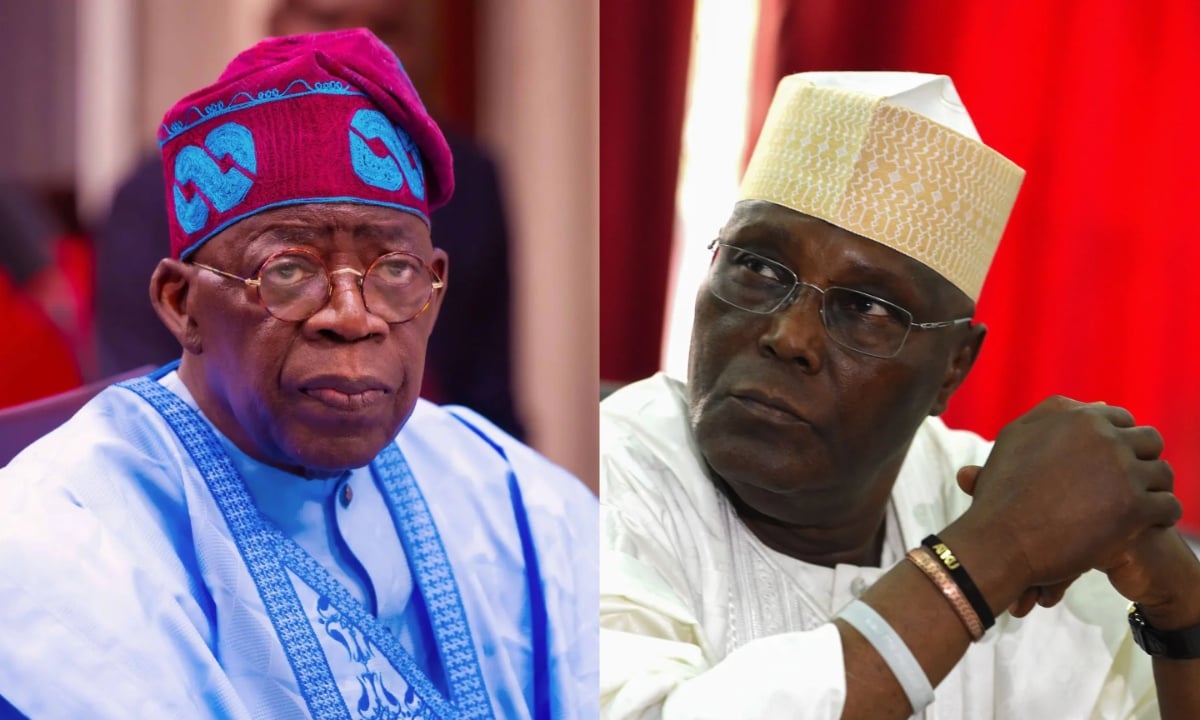
Fuel Discount: Atiku Accuses Tinubu of Turning NNPCL Into Campaign Money Cashier
Atiku has accused Tinubu’s administration of using NNPCL’s petrol discount for political advantage ahead of the 2027 general election.
 Politics
2027: NDC to Inaugurate Presidential Council October 20
The Nigeria Democratic Congress will inaugurate its Presidential Campaign Council on October 20 as it intensifies preparations for the 2027 general elections.
 Politics
2027: Wike Threatens to Block Amaechi’s Campaign in Rivers Over Tinubu Insults
Wike warned Amaechi could face campaign difficulties in Rivers if he continues attacking Tinubu’s supporters.
 Politics
2027: Tinubu Kicks Off Campaign in Kaduna October 24
Yari says Tinubu will officially launch his 2027 re-election campaign in Kaduna on October 24.
Comments (0)
Leave a comment
All comments are moderated before publishing. Your email is never published.