
Okonjo-Iweala Reveals How Nigeria Secured $30bn Paris Club Debt Relief
WTO chief says strategic communication and public support helped Nigeria secure historic Paris Club debt relief in 2005.
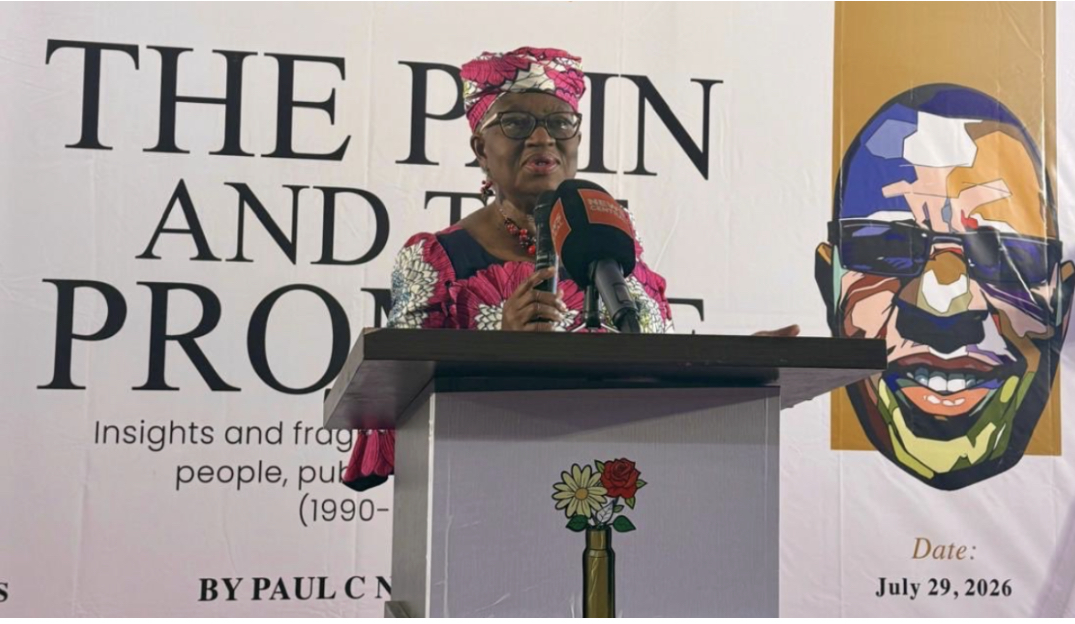
Director-General of the World Trade Organisation (WTO), Ngozi Okonjo-Iweala, has revealed that a deliberate communication strategy played a key role in helping Nigeria secure the landmark Paris Club debt relief during the administration of former President Olusegun Obasanjo.
Speaking on Wednesday in Abuja at the public presentation of The Pain and the Promise, a new book by communications expert Paul Nwabuikwu, Okonjo-Iweala said public understanding and support were critical to the success of the economic reforms that eventually led to the debt deal.
Before 2005, Nigeria’s external debt stood at about $36 billion, largely accumulated during successive military administrations from 1985.
In October 2005, while serving as Minister of Finance, Okonjo-Iweala negotiated a final agreement with the Paris Club that granted Nigeria debt relief worth $18 billion after the country paid $12 billion.
The agreement was completed on April 21, 2006, when Nigeria made its final payment and cleared all outstanding Paris Club obligations, reducing the country’s external debt to about $3 billion, while domestic debt stood at roughly ₦1 trillion.
Okonjo-Iweala recalled that she was recruited from the World Bank in 2003 to restore Nigeria’s public finances, including negotiating the elimination of what she described as the country’s $30 billion debt burden owed to the Paris Club.
According to her, she realised from the outset that implementing the required economic reforms would demand significant sacrifices from Nigerians and therefore required effective public communication.
She said this informed her decision to recruit Paul Nwabuikwu into the economic management team to help explain the reforms in simple language.
Describing Nwabuikwu as an exceptional communicator, Okonjo-Iweala said his ability to simplify complex economic policies helped build public confidence in the reform agenda.
“I can say without fear of contradiction that we wouldn’t have had as much success with the reform programme if we had not had a masterful steering of communications from Paul,” she said.
She stressed that successful reforms in a democratic setting require more than sound policies, noting that governments must also persuade citizens, explain difficult choices and build public trust.
The WTO chief also expressed concern over Nigeria’s persistent ethnic, religious and regional divisions, warning that they remain major obstacles to sustainable national development.
She argued that Nigeria would only achieve lasting prosperity if citizens forged a national consensus that rises above sectional interests and remains consistent regardless of changes in government.
Okonjo-Iweala described The Pain and the Promise as an important account of Nigeria’s political, economic and social journey over the past three decades, recommending it particularly to young Nigerians seeking a deeper understanding of the country’s history and development challenges.
Sponsored

Related stories
 News
News
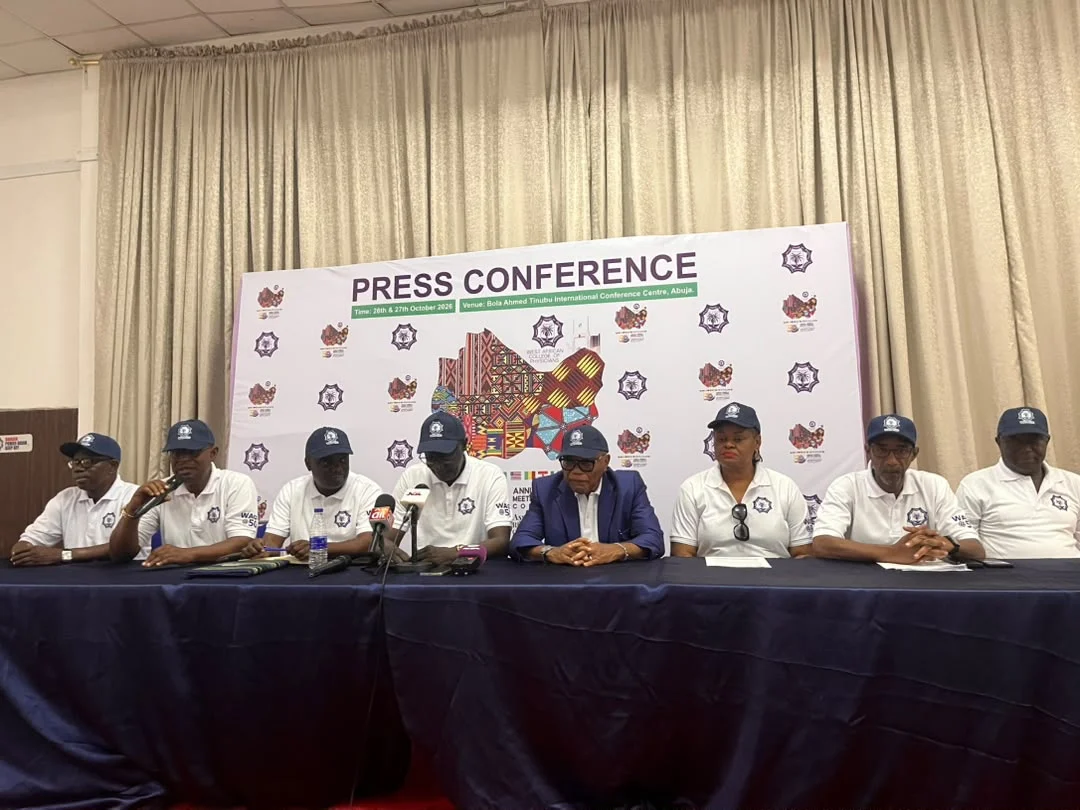
Tinubu Urges Medical College To Solve Doctor ‘Japa’ Syndrome
President Bola Tinubu has tasked the West African College of Physicians with developing practical solutions to doctors’ migration and West Africa’s medical brain drain.
 News
News
Shoprite Set To Open Neighbourhood Stores After Shutdown
Shoprite Nigeria plans to open standalone neighbourhood stores after reopening three outlets, as investors pursue a strategy to cut costs and revive operations.
 News
News
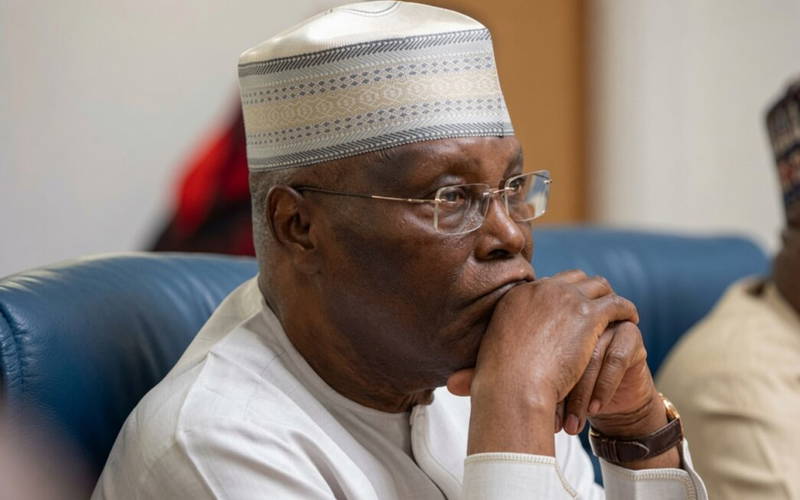
Blaming Opposition For Hunger Is ‘Delusion’ — Atiku Tells Tinubu
Atiku Abubakar has accused President Tinubu of evading responsibility for Nigeria’s economic hardship after blaming opposition politicians for hunger and poverty.
 News
News
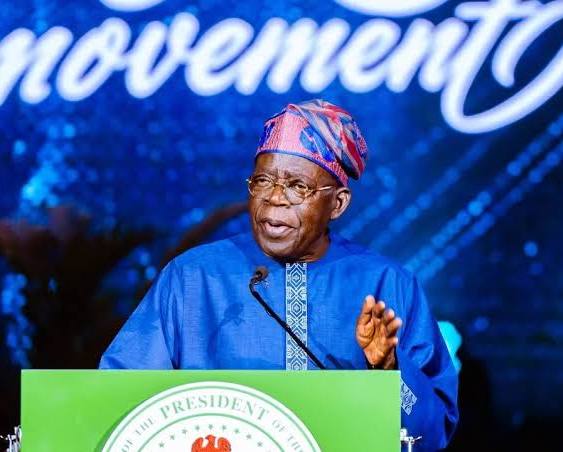
Tinubu Accuses Opposition of Creating Hunger, Poverty
President Bola Tinubu has accused opposition parties of creating the hunger and poverty they now criticise his administration over, insisting that his government is working to eradicate hardship and deliver economic prosperity.
Comments (0)
Leave a comment
All comments are moderated before publishing. Your email is never published.