
Ogun Woman Busted With ‘Colos’ For Death-Row Son
NDLEA arrests Ogun woman allegedly attempting to deliver synthetic cannabis, known as Colos, to her son in custody.

Operatives of the National Drug Law Enforcement Agency have arrested a woman in Ogun State for allegedly attempting to smuggle a quantity of synthetic cannabis, popularly known as Colos, to her son, who is being held on death row.
The woman was reportedly arrested during an attempt to deliver the illicit substance to the correctional facility where her son is being detained.
According to the agency, the suspect concealed the substance in an attempt to pass it to her son without detection.
The arrest forms part of ongoing efforts by drug enforcement authorities to prevent the movement of illicit drugs into correctional facilities across the country.
Colos, a synthetic cannabinoid, has become a growing concern among law enforcement agencies because of its potentially harmful effects and increasing availability among young people.
The substance is often marketed or disguised in ways that make it difficult to identify, while users may experience serious physical and psychological effects.
The agency said its operatives had intensified surveillance and intelligence-led operations around correctional facilities and other locations considered vulnerable to drug trafficking.
The suspect is expected to face investigation and possible prosecution under Nigeria’s drug laws if authorities establish that she knowingly attempted to supply the prohibited substance.
Her son, who is reportedly on death row, is already in custody in connection with an undisclosed criminal case.
The incident has drawn attention to the continued attempts by individuals to move prohibited substances into correctional facilities, despite security checks and restrictions governing visits to inmates.
Authorities have repeatedly warned relatives and visitors against attempting to provide inmates with illicit drugs or other prohibited items.
The NDLEA has also intensified its campaign against the distribution of synthetic drugs, particularly among young Nigerians.
The agency has identified synthetic cannabinoids and other psychoactive substances as emerging threats requiring increased public awareness and enforcement.
Officials have urged parents, guardians and community leaders to educate young people about the dangers associated with illicit drug use.
The latest arrest also demonstrates the challenges faced by correctional authorities in preventing prohibited substances from reaching inmates.
Investigators are expected to determine where the woman obtained the substance, whether anyone assisted her and whether the intended recipient was involved in the alleged attempt.
The NDLEA has maintained that individuals involved in the trafficking, possession or distribution of illicit drugs will be investigated and prosecuted in accordance with the law.
The suspect will have the opportunity to respond to the allegations during the legal process, and she remains presumed innocent unless proven guilty by a court.
The development highlights the agency’s continuing efforts to disrupt the supply of illicit drugs and prevent their circulation both within communities and correctional facilities across Nigeria.
Sponsored

Related stories
 News
News
INEC Deploys AI to Detect Result Discrepancies Ahead of 2027 Elections
The Independent National Electoral Commission has integrated artificial intelligence tools into its results verification process to identify inconsistencies and administrative errors ahead of the 2027 general elections, while retaining human oversight.
 News
News
APC Accuses Atiku of Politicising Ebola Outbreak, Defends Tinubu
The All Progressives Congress Presidential Campaign Council has criticised former Vice-President Atiku Abubakar over his comments on Nigeria’s Ebola response, defending President Bola Tinubu’s handling of the emergency and the government’s preparedness measures.
 News
News
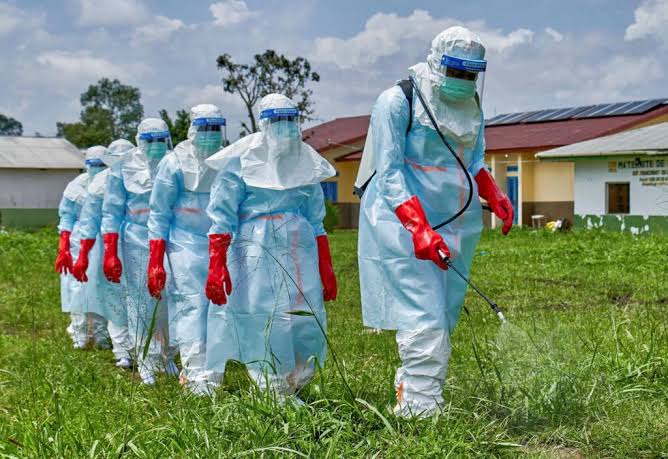
Ebola Outbreak No Reason to Cancel Campaigns, Public Gatherings, Says Minister
The Minister of Health and Social Welfare, Prof. Muhammad Ali Pate, has urged Nigerians to remain calm following the confirmation of an Ebola case in Abuja, saying there is no need to cancel campaigns or public gatherings at this stage.
 News
News
FG Proposes March for 2027 UTME, April to July for Other Exams
The Federal Government has proposed a harmonised timetable for the 2027 national examinations, scheduling the UTME for March and other major examinations between April and July, with results expected by August to support university admissions from September.
Comments (0)
Leave a comment
All comments are moderated before publishing. Your email is never published.