
Obi Defends $150m, N36bn Savings Claim, Says Funds Were Legitimately Invested
Peter Obi has defended his claim that he left $150 million and N36 billion in savings while serving as Anambra governor, insisting the money was legally held and invested on behalf of the state. He says the figures reflect fiscal discipline, not improper conduct.

Peter Obi has defended his long-standing claim that he left behind $150 million and N36 billion in savings and investments when he completed his tenure as governor of Anambra State, insisting that the funds were legitimately managed for the state’s benefit.
Obi’s response comes amid renewed public debate over how he handled Anambra’s finances while in office and whether the savings he often cites were consistent with the state’s fiscal records.
The former governor has repeatedly presented the figures as evidence of prudent management, arguing that he left office without owing salaries, pensions, gratuities or contractors. He says the money was not hidden or unlawfully retained, but properly invested and handed over through official channels.
At the center of the discussion is Obi’s claim that he left about $150 million and N36 billion for his successor. He has used the figures for years as part of his broader argument that government can be run with discipline, transparency and restraint. His supporters often point to the claim as proof that he prioritised savings and avoided waste, while critics have continued to question the exact accounting and the nature of the funds.
Obi has consistently maintained that the money represented state assets held in different banks and that he personally ensured a formal handover process. In his account, the funds were spread across financial institutions and verified with bank executives before being passed on to the next administration. He says the purpose was to protect public funds and preserve value for the state, rather than leave behind liabilities.
The former Labour Party presidential candidate’s defence is also tied to a larger political narrative about his record in office. Throughout his presidential campaigns and public engagements, he has cited the Anambra example as a model of what he calls responsible governance. For Obi, the savings are meant to show that public office can produce visible financial discipline if leaders choose to prioritise accountability over consumption.
However, the claim has never been free from political controversy. Opponents have often used it to challenge his image as a fiscal reformer, arguing that the numbers should be scrutinised more closely. Some have questioned whether the funds were truly as large as presented, whether they were available in liquid form, and how they should be interpreted in the context of state finances over time.
Despite those criticisms, Obi has remained firm that nothing about the funds was improper. He says the state’s money was legitimately invested and that his administration’s record should be judged by what it left behind, not by speculation or political attacks. In his telling, the issue is not whether the money existed, but whether public officials are prepared to manage resources honestly and leave value for the next administration.
The renewed attention to the claim underscores how central Obi’s Anambra years remain to his public image. Even as he continues to face political scrutiny, he still presents the savings story as one of the strongest examples of his governing philosophy: spend less, save more, and account for every naira.
Related stories
 News
News
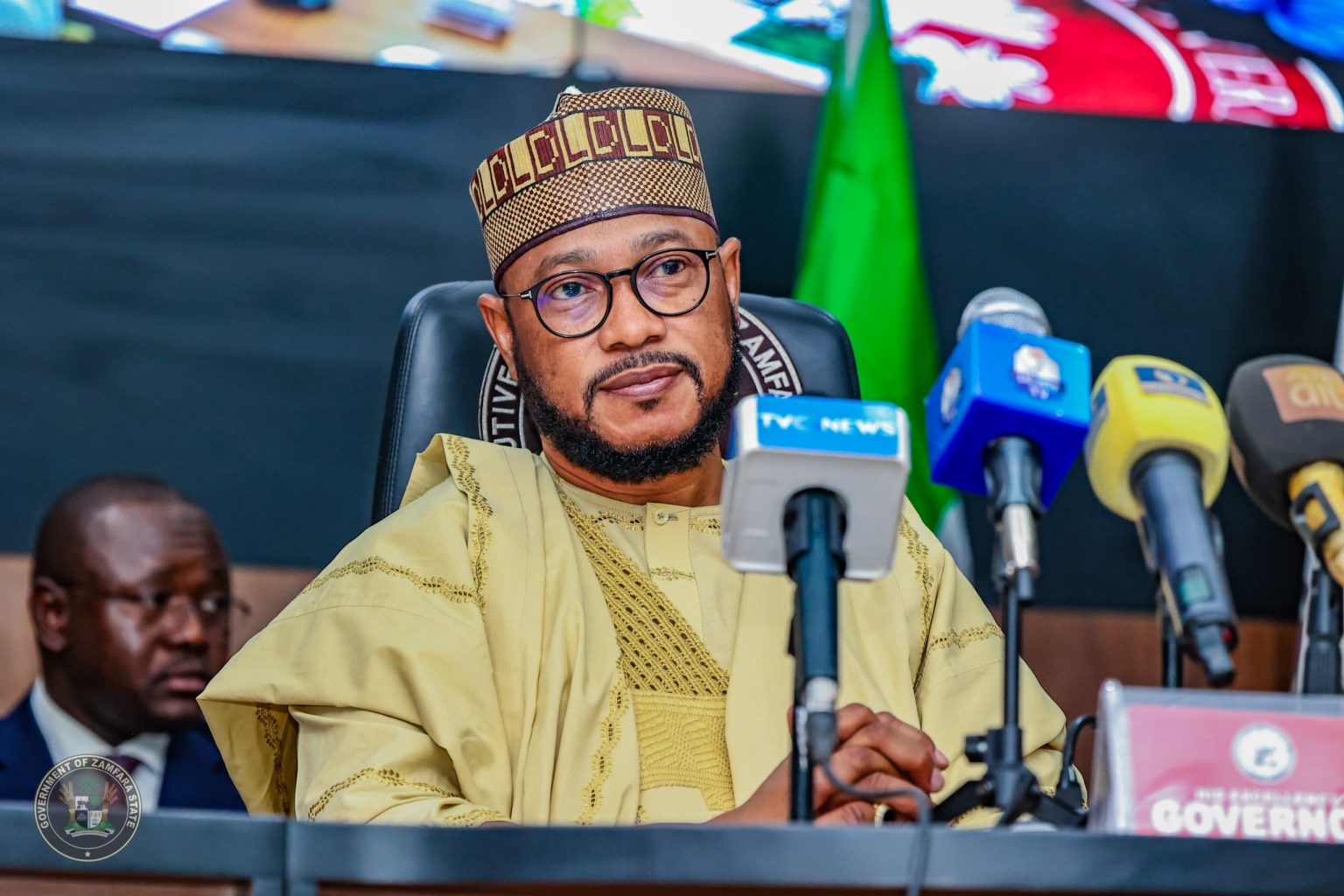
Bandits Kidnapped My Brothers, Demanded ₦300m Ransom — Gov Lawal
Zamfara Governor Dauda Lawal says he rejected a ₦300 million ransom demand after bandits kidnapped his brothers, insisting ransom payments encourage more abductions.
 News
News
Wike Defends Gbajabiamila, Says PFIPC Allegations Are Politically Motivated
FCT Minister Nyesom Wike has dismissed allegations linking Chief of Staff Femi Gbajabiamila to the PFIPC scandal as politically motivated, baseless and lacking credibility.
 News
News
Court Remands Former CCT Chairman Danladi Umar in Kuje Prison Over Alleged Corruption Charges
A Federal Capital Territory High Court has remanded former Code of Conduct Tribunal Chairman Danladi Umar in Kuje Correctional Centre after his arraignment on four corruption charges.
 News
News
Emefiele Suffers Setback as Court Dismisses Objections to Extra-Judicial Statements
Former CBN Governor Godwin Emefiele has suffered another setback in his ongoing $4.5 billion fraud trial after the court dismissed objections to the use of extra-judicial statements. The ruling allows the prosecution to rely on the disputed statements as the case continues.
Comments (0)
Leave a comment
All comments are moderated before publishing. Your email is never published.