
Court Remands Former CCT Chairman Danladi Umar in Kuje Prison Over Alleged Corruption Charges
A Federal Capital Territory High Court has remanded former Code of Conduct Tribunal Chairman Danladi Umar in Kuje Correctional Centre after his arraignment on four corruption charges.
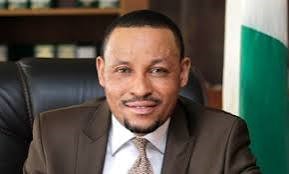
A Federal Capital Territory (FCT) High Court sitting in Maitama, Abuja, has ordered the remand of former Chairman of the Code of Conduct Tribunal (CCT), Justice Danladi Umar, at the Kuje Correctional Centre pending the hearing of his bail application in an alleged corruption case brought against him by the Federal Government.
Justice Umar was arraigned on Thursday on a four-count charge bordering on abuse of office and conferring undue advantage upon himself while serving as Chairman of the Code of Conduct Tribunal, one of Nigeria's foremost anti-corruption institutions.
The prosecution, led by counsel Christopher Mshelia, alleged that the former CCT chairman improperly benefited from contracts awarded during his tenure and used third-party accounts to receive financial payments linked to government projects. Umar, however, pleaded not guilty to all four counts when they were read before the court.
Following the defendant's plea, the prosecution urged the court to remand him in custody pending the commencement of trial and requested that a date be fixed for the hearing of the case.
Defence counsel, however, informed the court that a formal bail application had already been filed on behalf of the former tribunal chairman and urged the court to consider granting him bail.
The prosecution objected to an immediate hearing of the bail request, arguing that it had only just been served with the application and required sufficient time to study its contents and file an appropriate response.
After hearing submissions from both parties, the presiding judge adjourned the matter until July 15, 2026, for the hearing of the bail application and ordered that Umar be remanded at the Kuje Correctional Centre pending further proceedings.
According to the charges presented before the court, investigators alleged that Umar abused the powers of his office by obtaining financial benefits through contractors engaged by the Code of Conduct Tribunal.
Among the allegations is a claim that in 2021, he used his wife's bank account to receive ₦5.5 million from a contractor responsible for painting the headquarters of the tribunal in Abuja.
The prosecution further alleged that in January 2024, another contractor handling the digitisation of the tribunal's records transferred ₦6 million into the same account for Umar's benefit.
In addition, prosecutors accused the former CCT chairman of directing a contractor to pay ₦2.43 million directly toward his daughter's tuition fees at Baze University in Abuja.
The alleged offences are said to contravene provisions of the Corrupt Practices and Other Related Offences Act, 2000, under which the Federal Government is prosecuting the case.
The development marks another significant chapter in the legal troubles surrounding the former judicial officer, who previously headed the Code of Conduct Tribunal, the body responsible for adjudicating cases involving breaches of Nigeria's Code of Conduct for public officers.
Justice Umar became a nationally recognised figure after presiding over several high-profile corruption and asset declaration cases involving senior public officials during his tenure.
One of his most notable rulings came in 2019 when the tribunal convicted former Chief Justice of Nigeria, Justice Walter Onnoghen, over false asset declaration, a decision that generated widespread political and legal debate across the country.
His tenure at the tribunal, however, was also marked by several controversies, including allegations of misconduct and abuse of office that eventually culminated in his removal from office by the Senate in 2024 following allegations of gross misconduct.
Legal analysts say the latest prosecution is likely to attract considerable public attention because of Umar's previous role in Nigeria's anti-corruption framework and the broader implications for accountability among senior public officials.
The case also highlights the Federal Government's continued efforts to pursue corruption-related prosecutions involving former office holders regardless of their previous positions in government.
For now, Umar remains in custody at the Kuje Correctional Centre as he awaits the determination of his bail application next week.
Should bail be granted, the case will proceed to trial, where prosecutors are expected to present documentary evidence and witnesses in support of the allegations, while the defence will have an opportunity to challenge the charges and establish the former tribunal chairman's innocence before the court.
The outcome of the proceedings is expected to be closely watched by legal practitioners, anti-corruption advocates and members of the public, given the significance of the office Umar once occupied and the broader implications for Nigeria's justice system.
Related stories
 News
News
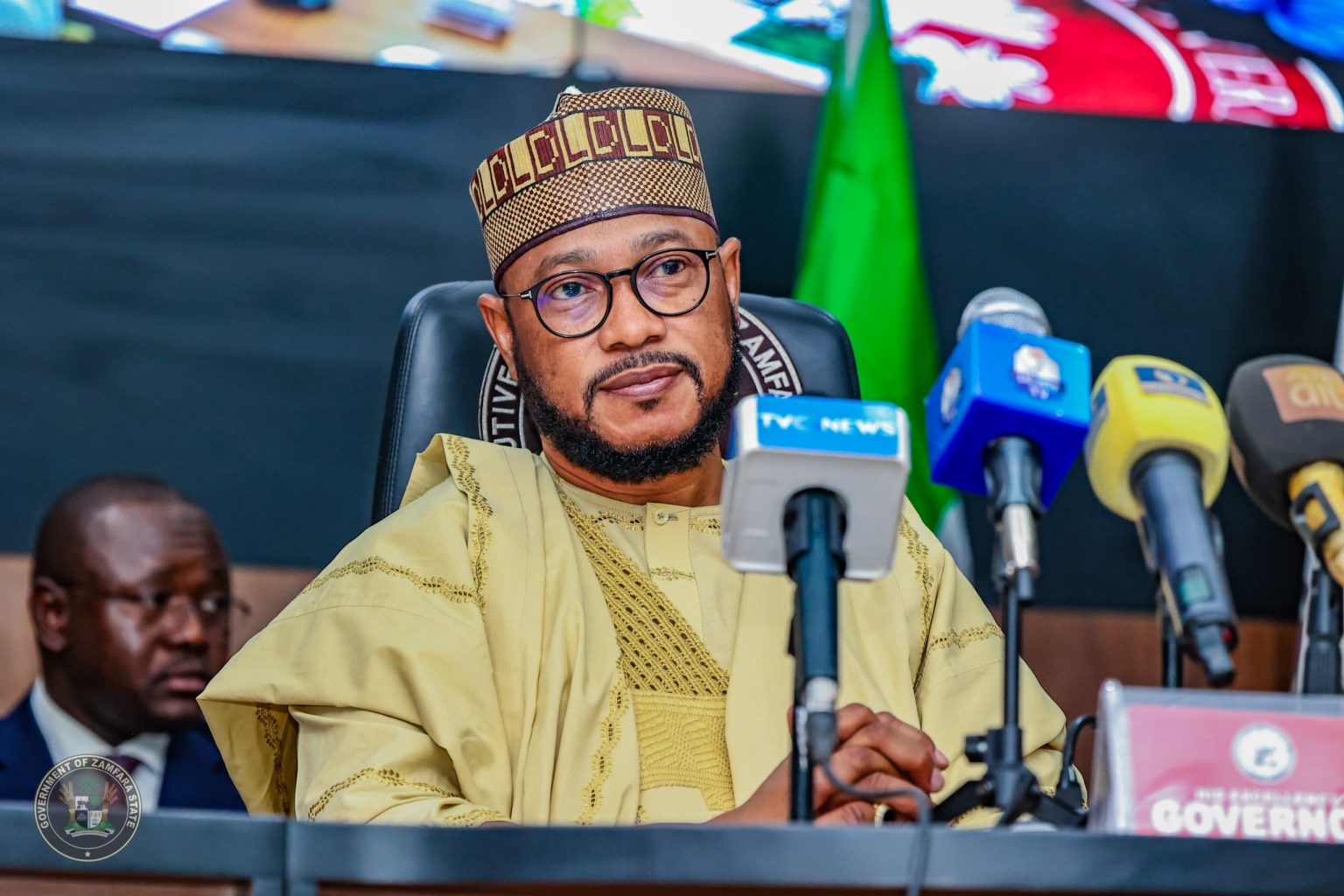
Bandits Kidnapped My Brothers, Demanded ₦300m Ransom — Gov Lawal
Zamfara Governor Dauda Lawal says he rejected a ₦300 million ransom demand after bandits kidnapped his brothers, insisting ransom payments encourage more abductions.
 News
News
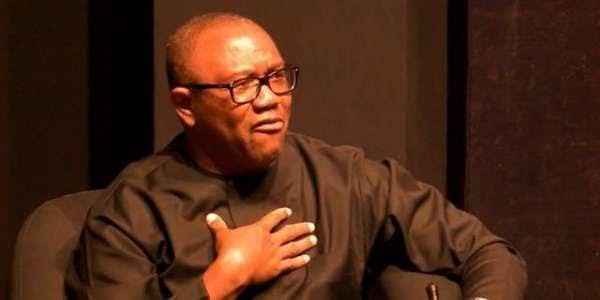
Obi Defends $150m, N36bn Savings Claim, Says Funds Were Legitimately Invested
Peter Obi has defended his claim that he left $150 million and N36 billion in savings while serving as Anambra governor, insisting the money was legally held and invested on behalf of the state. He says the figures reflect fiscal discipline, not improper conduct.
 News
News
Wike Defends Gbajabiamila, Says PFIPC Allegations Are Politically Motivated
FCT Minister Nyesom Wike has dismissed allegations linking Chief of Staff Femi Gbajabiamila to the PFIPC scandal as politically motivated, baseless and lacking credibility.
 News
News
Emefiele Suffers Setback as Court Dismisses Objections to Extra-Judicial Statements
Former CBN Governor Godwin Emefiele has suffered another setback in his ongoing $4.5 billion fraud trial after the court dismissed objections to the use of extra-judicial statements. The ruling allows the prosecution to rely on the disputed statements as the case continues.
Comments (0)
Leave a comment
All comments are moderated before publishing. Your email is never published.