
‘No Joy’: Gazans Mark Somber Eid in Shadow of War
Palestinians in Gaza say Eid celebrations have been overshadowed by war, displacement, and soaring prices, with many families unable to afford basic festive items such as clothing, meat, and sweets amid ongoing shortages and economic hardship.
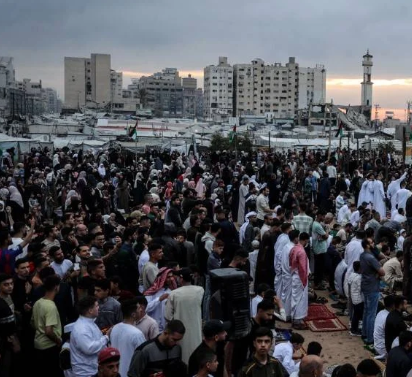
New clothes for children, sacrificial sheep, and traditional Eid sweets—normally central to Eid al-Adha celebrations are largely unaffordable or unavailable in Gaza, leaving many residents marking the holiday without its usual sense of joy.
“I go to the market only to look around because I cannot afford to buy anything,” said Nadia Abu Shamala, a displaced resident of northern Gaza now living in Deir al-Balah. “Whenever I ask about prices, I return heartbroken.”
She said this year’s Eid has been stripped of its meaning due to war, rising costs, and the inability to provide for children.
Despite a US-brokered ceasefire announced in October 2025, reports indicate that air strikes and insecurity persist, while much of Gaza’s infrastructure remains severely damaged. According to United Nations assessments, about 80 per cent of buildings in the territory have been affected, with most residents dependent on humanitarian aid.
Residents also say shortages and restrictions on goods entering Gaza have kept prices extremely high, worsening living conditions. Humanitarian organisations on the ground note that limited aid flows have been insufficient to stabilise supply.
Central to Eid celebrations is the sacrifice of livestock, but sheep prices in Gaza have surged dramatically due to scarcity. Local authorities and farmers say supply disruptions, rising feed costs, and farm closures have reduced livestock availability to a fraction of pre-war levels.
“What was once about 1,000 shekels before the war is now between 11,000 and 15,000 shekels,” said Raafat Asaliya, a spokesperson for Gaza’s agriculture ministry.
For many families, even basic meat has become unaffordable, with residents saying they are unable to purchase even small quantities for their children.
Beyond food, displaced families also face difficulties preparing traditional Eid sweets due to shortages of cooking gas and basic baking supplies. Many have resorted to makeshift outdoor ovens and temporary shelters to prepare limited festive meals.
From displacement camps and tents, residents describe Eid as a time of survival rather than celebration, with widespread exhaustion, uncertainty, and fear overshadowing what is traditionally a period of joy and community gathering.
Sponsored

Related stories
 News
News
NSA Unveils New Security Framework to Tackle Oil Theft, Pipeline Vandalism
Nuhu Ribadu unveils standard procedures to coordinate security agencies and contractors, protect oil infrastructure and curb crude theft.
 News
News
Child Soldier: US Threatens to Cut Military Aid to Nigeria
US listing cites child recruitment by Boko Haram and ISWAP, threatening restrictions on military assistance.
 News
News
IMF Warns Poverty Risks Persist Despite Nigeria’s Economic Stability
The IMF warns that rising food and energy prices continue to threaten vulnerable Nigerians despite improving economic stability and growth.
 News
News
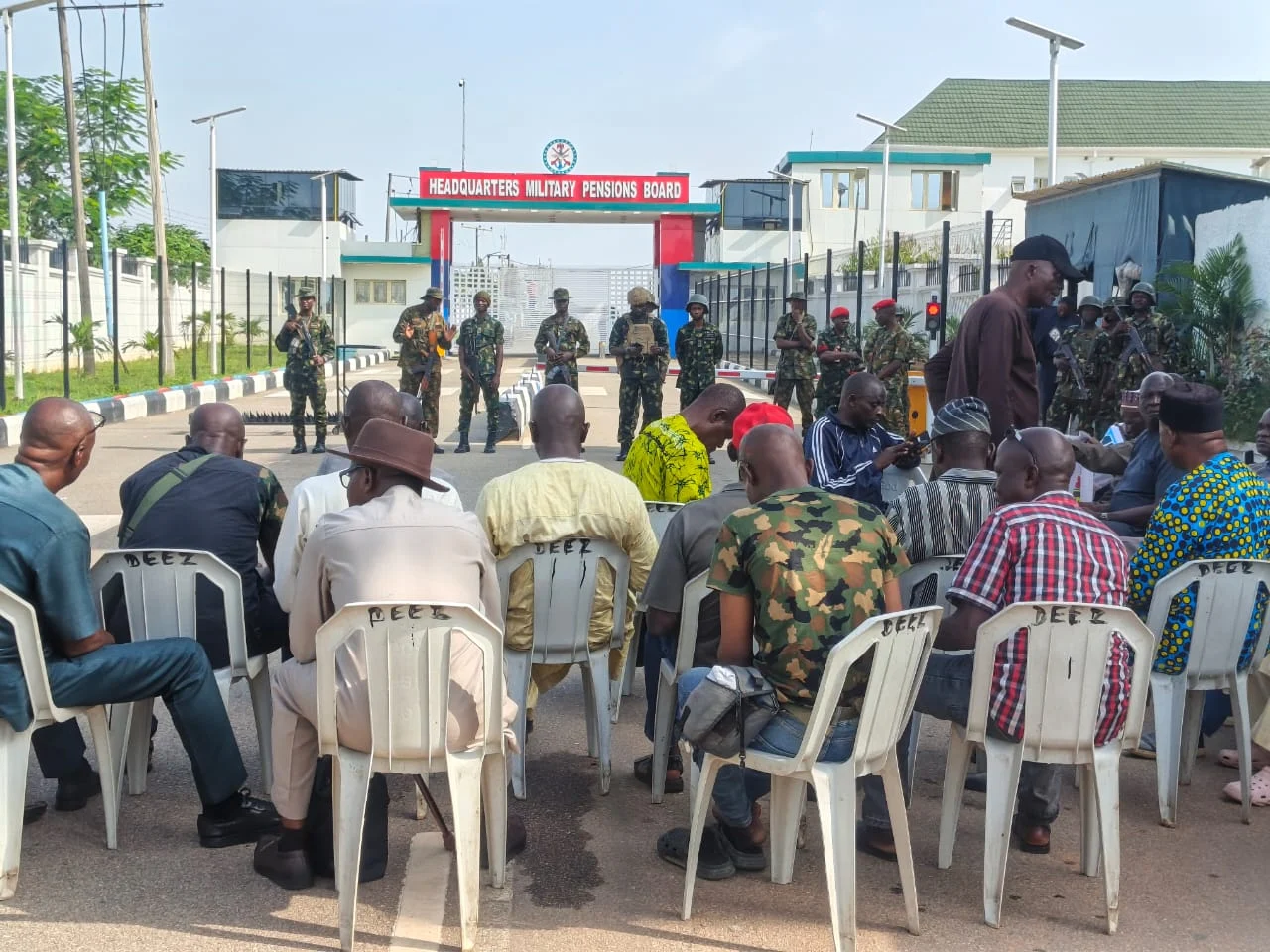
Military Veterans Block Pensions Board Entrance, Demand Fair Adjustment
Retired military personnel in Abuja protest pension calculations, demanding a fair review of adjustments linked to salary increases.
Comments (0)
Leave a comment
All comments are moderated before publishing. Your email is never published.