
Nigerian Scientist Leads AI Research Team On Safer Breast Cancer Treatment
Nigerian scientist Dr Elijah Kolawole Oladipo has led an international research team that used artificial intelligence and 3D protein modelling to identify promising animal-derived molecules that could support the development of more targeted breast cancer treatments with fewer side effects.
Nigerian scientist, Dr Elijah Kolawole Oladipo, has led an international research team that used artificial intelligence to identify promising molecules for safer, more targeted breast cancer treatment.
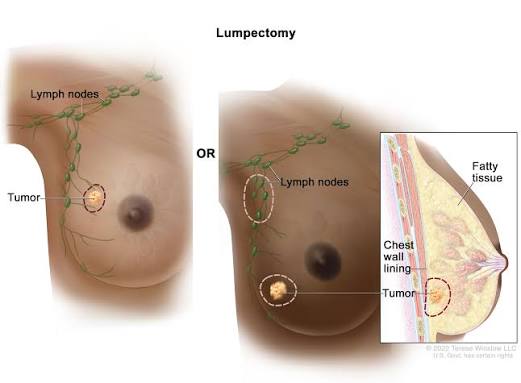
The study, published in the Future Journal of Pharmaceutical Sciences, combined AI-powered drug discovery with advanced 3D protein modelling to identify therapeutic peptides capable of targeting proteins associated with breast cancer.
Oladipo, who is based at Adeleke University and the Helix Biogen Institute, led researchers from Nigeria, Ethiopia, the United Kingdom and the United States in the study.
The researchers used machine-learning algorithms and Colab AlphaFold2 to screen a global database containing more than 1,500 natural peptides.
The AI system assessed the compounds for structural stability, toxicity and allergenic potential before narrowing the search to three leading candidates derived from animal sources.
The shortlisted molecules were then subjected to virtual simulations against Matrix Metalloproteinase 1 and Epidermal Growth Factor Receptor, two proteins associated with breast cancer progression.
According to the researchers, one AI-optimised peptide inspired by the green shield bug, Metalnikowin IIA, showed stronger binding affinity, greater precision and superior structural stability than Buserelin, an FDA-approved anticancer peptide used as the benchmark.
Oladipo said the research demonstrated how AI could accelerate the search for safer cancer therapies by enabling scientists to design precise, nature-inspired treatments aimed at targeting cancer cells while sparing healthy tissue.
The researchers, however, cautioned that the findings remain at the computational stage and have not been validated through laboratory or clinical studies.
They said further testing in living cells and animal models would be required before the compounds could progress towards human treatment.
The team is seeking international research grants, pharmaceutical partnerships and global health collaborations to fund laboratory validation of the findings.
Sponsored
Related stories
 News
News
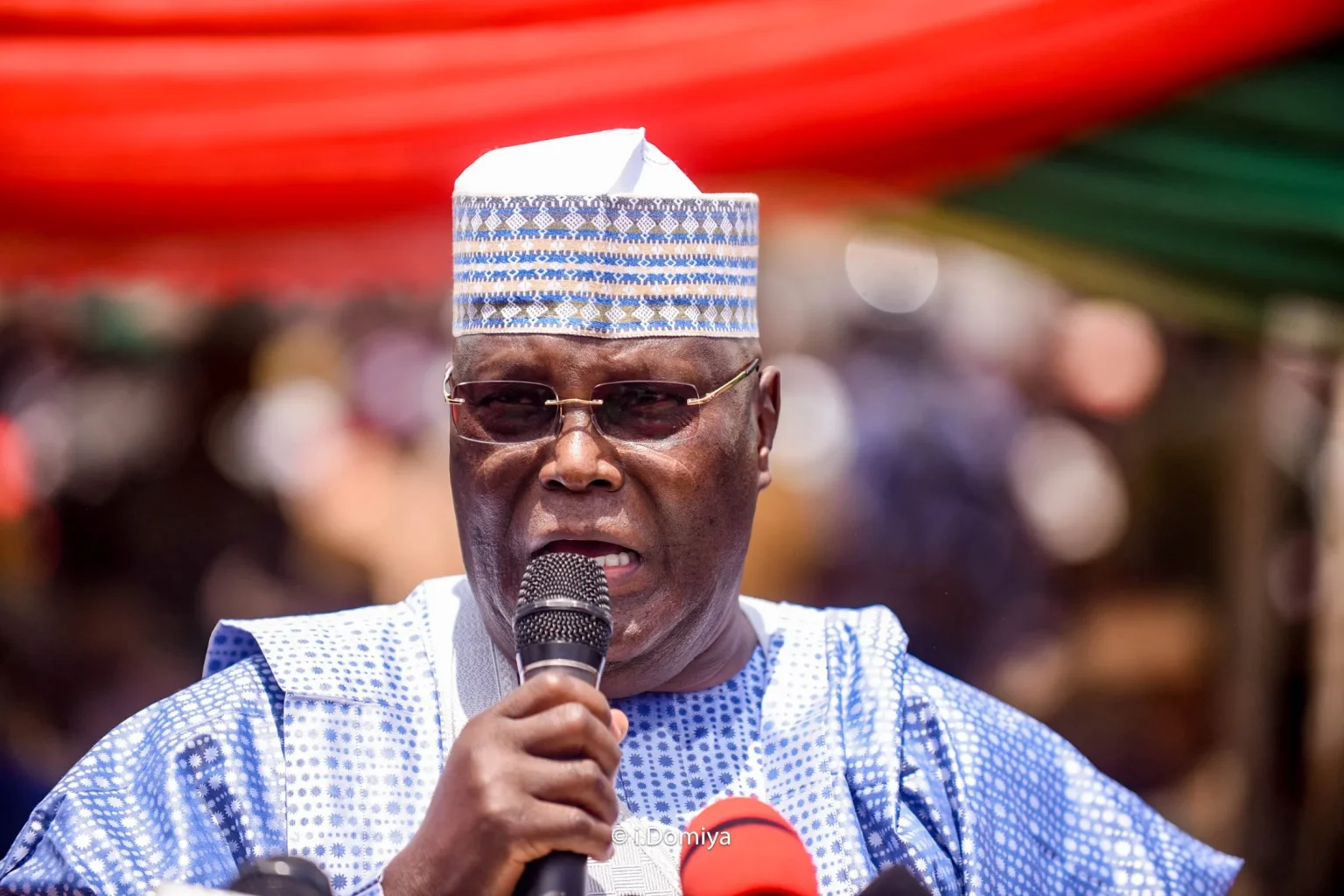
Atiku Asks Tinubu to Account for ₦10bn Ebola Preparedness Fund
Former Vice-President Atiku Abubakar demands a public audit of the ₦10 billion approved for Ebola preparedness, citing concerns over Nigeria’s response to a confirmed case in Abuja.
 News
News
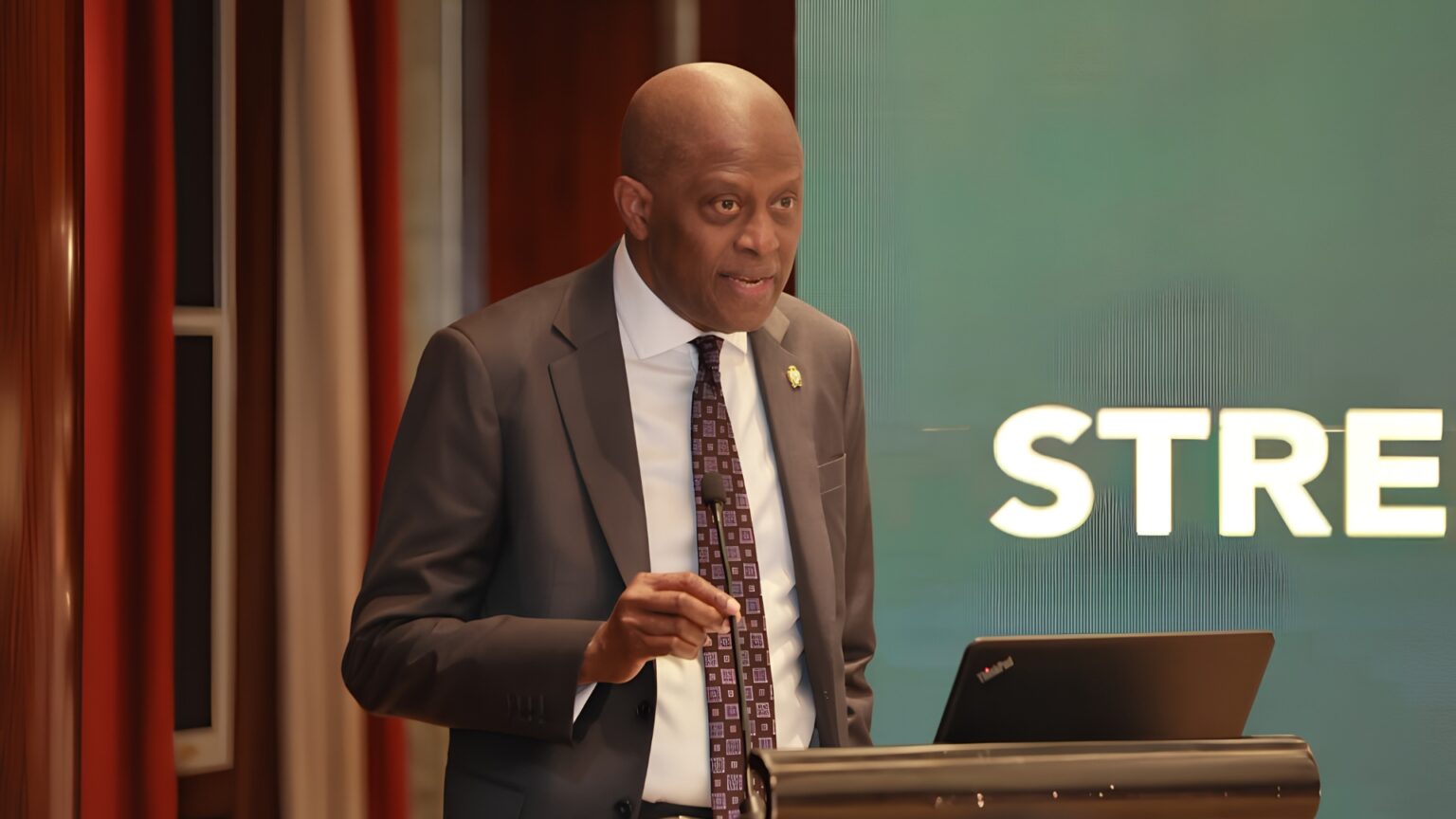
Cardoso Puts Nigerian Markets at Centre of Deeper Investment Ties With China
CBN Governor Olayemi Cardoso highlights Nigeria’s financial markets as a key channel for strengthening investment ties with China and attracting long-term capital.
 News
News
Cash Outside Nigerian Banks Rises to ₦4.92tn in September — CBN
Cash held outside Nigerian banks rose to ₦4.92 trillion in September, up ₦48.73 billion from August, according to CBN data.
 News
News
APC Scribe, Sowore Clash Over Aso Villa Campaign Inauguration Plan
APC National Secretary Ajibola Basiru dismisses Sowore’s request to use Aso Villa for his campaign inauguration, describing it as a political stunt.
Comments (0)
Leave a comment
All comments are moderated before publishing. Your email is never published.