
Nigerian Breweries Plants 340,000 Trees in Ogun
Nigerian Breweries Plc, working with the Ogun State Ministry of Forestry and IITA, has planted over 340,000 indigenous trees and restored more than 350 hectares of degraded forest at Olokemeji in five years.

Nigerian Breweries Plc has planted more than 340,000 indigenous trees and restored over 350 hectares of degraded forest landscape at the Olokemeji forest in Ogun State over the past five years, as part of its sustainability drive.
The Olokemeji Forest Reforestation Project is being implemented in collaboration with the Ogun State Ministry of Forestry and in partnership with the International Institute of Tropical Agriculture (IITA). It aims to advance environmental stewardship and contribute to biodiversity conservation, climate resilience, watershed protection, and sustainable ecosystem management.
The initiative falls under the company's "Brew a Better World" sustainability agenda, which the brewer describes as central to how it operates and creates shared value in the communities where it does business.
The Corporate Affairs Director of Nigerian Breweries Plc, Uzodinma Odenigbo, disclosed the figures during an engagement on the project. He said the effort forms part of continuing work to strengthen ecosystem restoration and environmental sustainability around the company's host communities.
Odenigbo said the results show what strategic partnerships can achieve. According to him, restoring more than 350 hectares of degraded forest and planting over 340,000 indigenous trees goes beyond rebuilding ecosystems. He described it as an investment in a healthier environment that will create opportunities for surrounding communities for generations to come.
The Ogun State Commissioner for Forestry, Engineer Oludotun Taiwo, commended the sustained collaboration among the state government, Nigerian Breweries, and IITA. He noted that such partnerships remain essential to preserving the state's forest resources and promoting sustainable development.
The project addresses a problem familiar across southern Nigeria, where forest reserves have come under sustained pressure from logging, farming encroachment, charcoal production, and urban expansion. Degraded forest land loses its capacity to hold soil in place, regulate water flow, store carbon, and shelter wildlife, so restoration work can deliver benefits well beyond the trees themselves.
The emphasis on indigenous species matters for the same reason. Native trees are generally better adapted to local soils and rainfall, tend to support a wider range of local wildlife than imported or single-species plantations, and are more likely to survive without heavy maintenance once established. Restoring a mixed native canopy is typically slower than commercial planting, but ecologists regard it as more durable for biodiversity and watershed protection.
The involvement of IITA, a leading agricultural research institution with deep experience in tropical ecosystems, brings technical expertise to the project. Combined with state government backing through the Ministry of Forestry, the arrangement reflects a model in which private companies fund and drive restoration while public authorities provide land access, regulatory oversight, and long-term stewardship of forest reserves.
Corporate reforestation partnerships of this kind have become more common in Nigeria as businesses face growing expectations to show measurable environmental outcomes. The main test for any such project is survival: whether planted seedlings mature into functioning forest over the following decades, rather than simply being counted at planting. Sustained protection of restored areas against fresh encroachment is what ultimately decides whether the hectares recovered today remain forest tomorrow.
For Ogun State, the Olokemeji project adds to broader efforts to protect its remaining forest estate. For Nigerian Breweries, a five-year record of 340,000 trees and over 350 restored hectares gives the company a concrete environmental achievement to point to, and both partners have signalled that collaboration on the reserve will continue.
Sponsored

Related stories
 Agriculture
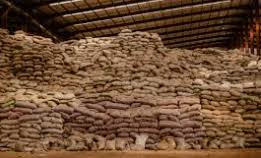
Abakaliki Rice Mill: Ebonyi’s N171bn Neglected Goldmine
Nigeria's largest rice mill, operating since 1967, processes 132,000 tonnes of rice annually—worth over N171 billion—yet operates without power, safe working conditions, or good roads. As the state's entire IGR sits at just N17.18 billion, analysts ask how a facility generating ten times that amount has been allowed to decay into a "prostrate goldmine."
 Agriculture
Seaweed Could Transform Nigeria’s Agricultural Energy Sector
SMEFUNDS CEO Dr. Femi Oye advocates for seaweed as a renewable energy source to power Nigeria’s food production, offering a circular solution for farmers and small businesses.
 Agriculture
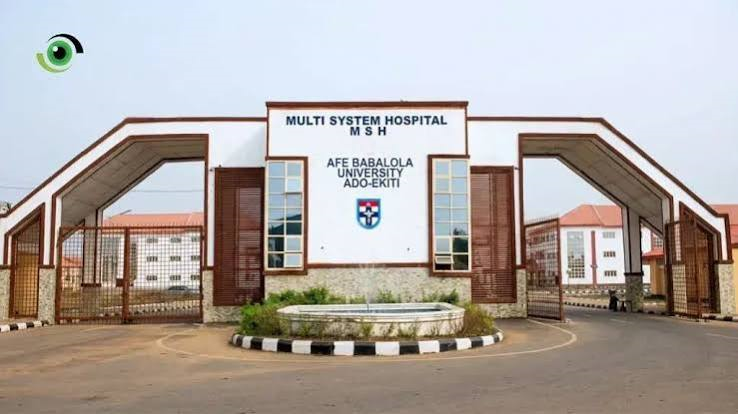
Babalola’s Farmer Support Hits N98m
Legal icon Aare Afe Babalola has disbursed N11.2 million to 81 outstanding farmers across Ekiti State's 16 local government areas, bringing total awards under his annual agricultural scheme since 2015 to N98 million.
 Agriculture
FG Launches African Swine Fever Control Campaign in Southwest
The Federal Government has launched a major African Swine Fever control and biosecurity campaign at the Oke-Aro Pig Farm Estate, distributing protective kits to farmers and pledging comprehensive training to prevent future outbreaks. The intervention by the Livestock Productivity and Resilience Support Project (L-PRES) targets one of Nigeria's largest pig production clusters, which has suffered devastating losses from the highly contagious disease in the past.
Comments (0)
Leave a comment
All comments are moderated before publishing. Your email is never published.