
Nigeria Still Creditworthy, Can Borrow More for Infrastructure — Onanuga
Presidential spokesman Bayo Onanuga defended Nigeria’s borrowing policy, saying the country remains creditworthy and can still obtain loans for infrastructure despite growing public concerns over rising national debt.
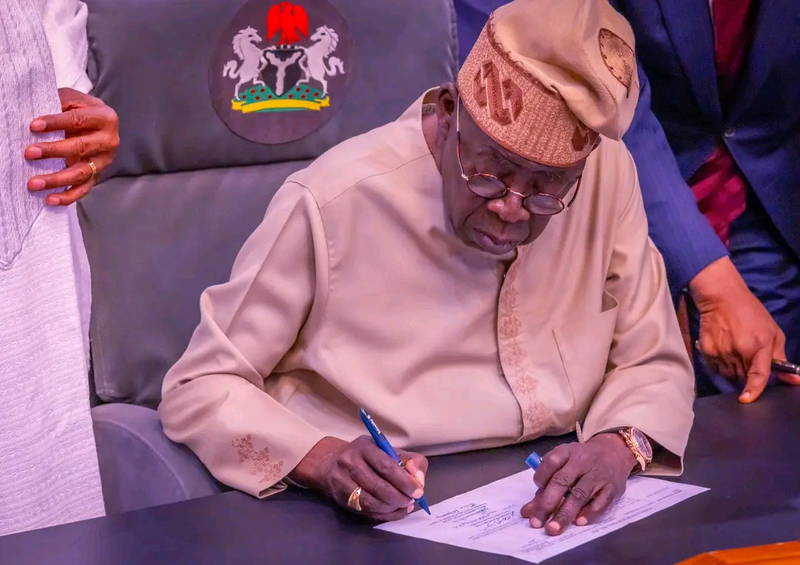
Presidential spokesman Bayo Onanuga has defended the Federal Government’s borrowing policy, insisting that Nigeria remains financially creditworthy and still has room to obtain more loans for infrastructure development.
Onanuga made the remarks on Tuesday in a post shared on his X platform amid growing public criticism over Nigeria’s rising debt profile and concerns about the long-term sustainability of government borrowing.
According to the presidential aide, Nigeria’s current debt situation is still moderate when compared with several African countries with larger debt burdens, including Egypt, South Africa and Senegal.
“Nigeria has not over borrowed compared to countries like Egypt, South Africa and Senegal. Nigeria is creditworthy and can still take more loans to finance infrastructure,” Onanuga stated.
His comments come amid increasing debate over the Federal Government’s reliance on domestic and external borrowing to fund major projects, support budget deficits and stabilise the economy following subsidy removal and foreign exchange reforms introduced by President Bola Tinubu’s administration.
Critics of the government’s borrowing plans have argued that Nigeria’s debt servicing costs are already consuming a significant portion of national revenue, raising fears about fiscal sustainability and future economic pressure on citizens.
However, Onanuga dismissed the criticisms as exaggerated and based on a poor understanding of economic realities.
“The unwarranted alarm against loans is symptomatic of economic and financial ignorance,” he added.
The presidency has repeatedly maintained that borrowing remains necessary to finance infrastructure projects capable of stimulating economic growth, improving transportation networks and supporting long-term national development.
The government has also argued that many developed and emerging economies rely on debt financing to expand infrastructure and public services, provided the loans are managed responsibly and channelled into productive sectors.
Nigeria’s debt profile has remained a major public issue in recent years, especially amid rising inflation, currency pressures and concerns about the cost of governance.
Sponsored
Related stories
 News
News
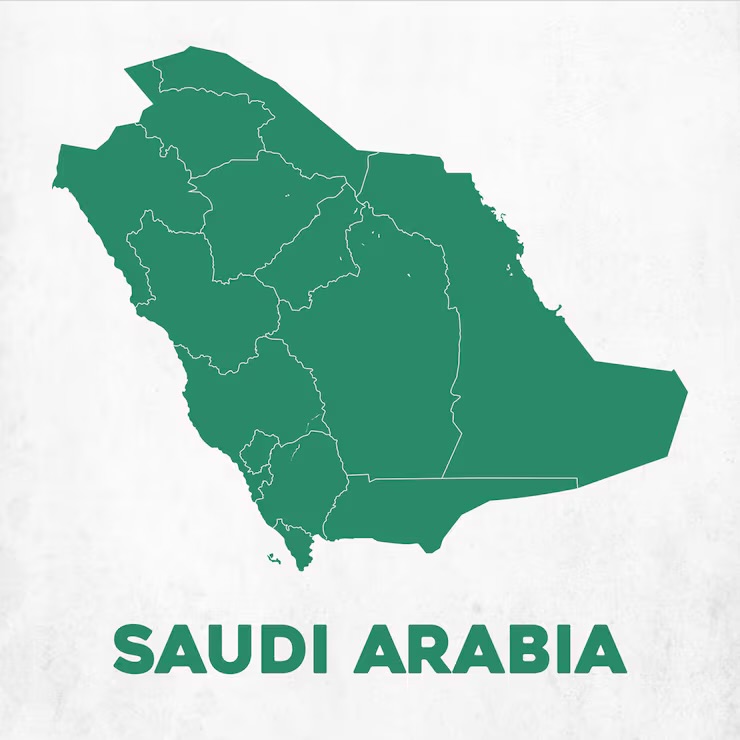
Saudi Arabia Faces Economic Contraction as War Woes Mount
IMF forecasts Saudi Arabia’s economy to contract in 2026 as war disrupts exports and investment.
 News
News
Abducted Corps Members Recount Ordeal, Say Kidnappers Fed Them Garri With Dirty Water
A survivor of the abduction of 20 prospective NYSC members in Imo State has recounted how their captors beat them, monitored their calls to relatives and forced them to survive on dry garri and muddy water during seven days in captivity.
 News
News
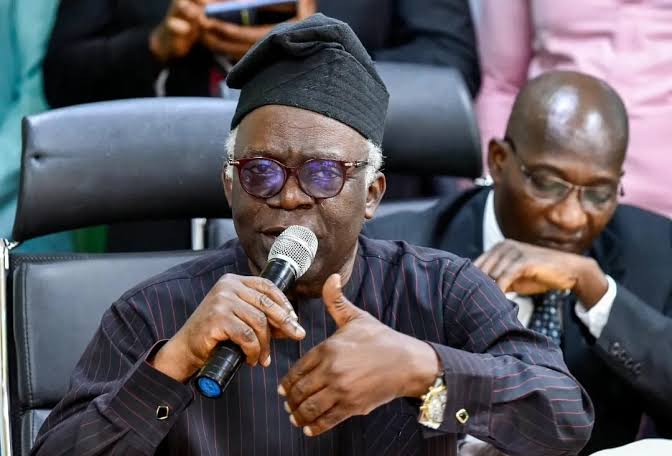
Falana Questions ₦15tn Coastal Highway Cost, Warns Against Voter Suppression
Human rights lawyer Femi Falana has questioned the estimated ₦15 trillion cost of the Lagos-Calabar Coastal Highway, demanding accountability over its funding and reported route changes, while urging political parties in Lagos to unite against electoral violence and voter suppression ahead of the 2027 elections.
 News
News
Ekiti Policemen Face Disciplinary Action Over Viral Extortion Video
Police officers captured in a viral video during an alleged extortion incident involving a motorcyclist in Ekiti State have been moved to the Force Headquarters in Abuja for disciplinary proceedings.
Comments (0)
Leave a comment
All comments are moderated before publishing. Your email is never published.