
Nigeria Regains Frontier Market Status After Three Years — FG
FTSE Russell will restore Nigeria to Frontier Market status from September 21 following improvements in forex liquidity and accessibility.

Nigeria’s capital market is set to return to the global Frontier Market universe from September 21, 2026, following its reclassification by global index provider FTSE Russell.
The Federal Government disclosed the development in a statement issued on Friday by the Minister of Finance and Coordinating Minister of the Economy, Taiwo Oyedele.
According to the ministry, FTSE Russell has reclassified Nigeria from “Unclassified” to “Frontier Market” status, with the new classification taking effect from the opening of trading on Monday, September 21.
The development comes nearly three years after Nigeria was removed from the Frontier Market index in September 2023. At the time, difficulties relating to capital repatriation and foreign exchange execution made it increasingly difficult for international investors to access the Nigerian market.
The Federal Ministry of Finance said the latest reclassification followed sustained improvements in foreign exchange liquidity, capital repatriation and market accessibility.
The ministry described the decision as recognition of the impact of the Federal Government’s macroeconomic and structural reforms aimed at improving the investment environment and restoring confidence in the economy.
Oyedele described the development as an important validation of Nigeria’s reform programme and a foundation for the next phase of capital market development.
He said the reclassification sends a meaningful signal to international investors that Nigeria’s market is becoming more open, orderly and accessible.
However, the minister stressed that returning to Frontier Market status was not the ultimate objective of the government.
According to him, Nigeria remains focused on achieving Emerging Market status in the near term by building a deeper, more liquid and competitive capital market.
The Federal Ministry of Finance commended the Securities and Exchange Commission, Central Bank of Nigeria, Nigerian Exchange Group, Central Securities Clearing System and other capital market operators for their contributions.
The ministry said regulatory reforms, improvements in market infrastructure and sustained engagement with investors had played important roles in restoring Nigeria’s standing among international index providers.
The government also reaffirmed its commitment to working with regulators and market institutions to deepen liquidity, broaden investor participation and strengthen investor protection.
It said the medium-term goal remained to position Nigeria for progression to Emerging Market status while improving the depth, transparency and global competitiveness of the country’s capital market.
The reclassification is expected to improve Nigeria’s visibility among international investors and potentially support renewed interest in the country’s financial markets.
Sponsored

Related stories
 News
News
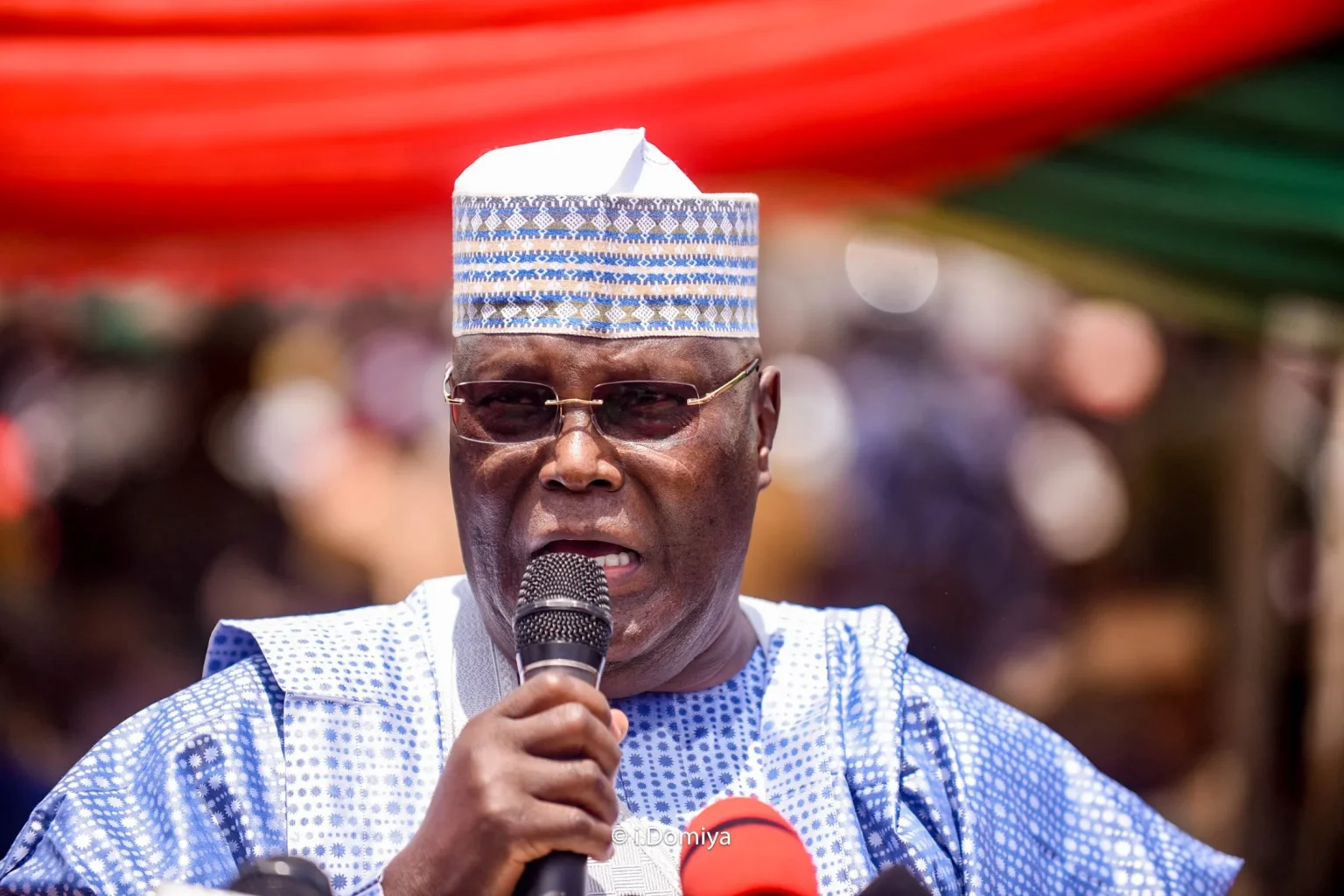
Atiku Asks Tinubu to Account for ₦10bn Ebola Preparedness Fund
Former Vice-President Atiku Abubakar demands a public audit of the ₦10 billion approved for Ebola preparedness, citing concerns over Nigeria’s response to a confirmed case in Abuja.
 News
News
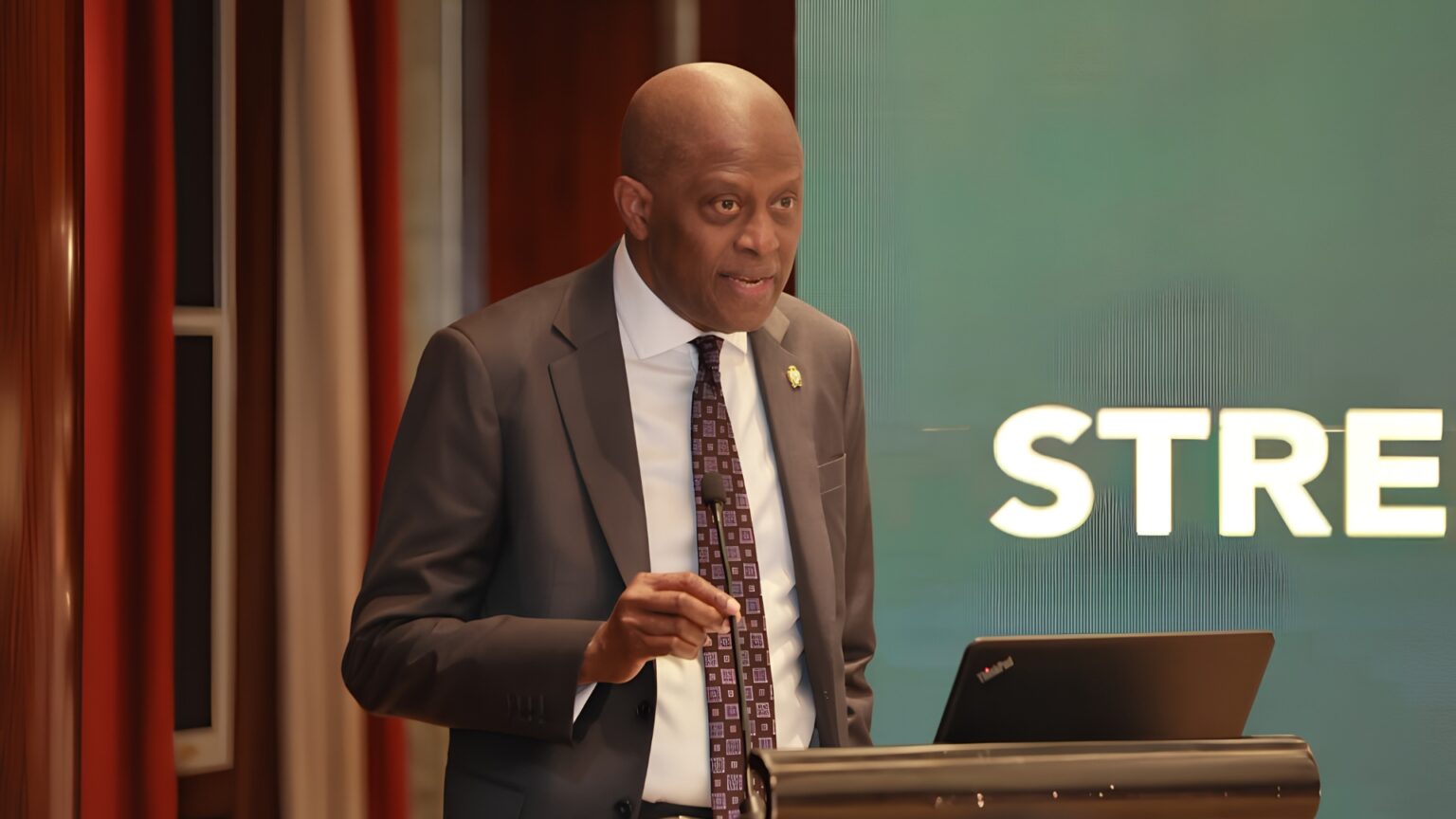
Cardoso Puts Nigerian Markets at Centre of Deeper Investment Ties With China
CBN Governor Olayemi Cardoso highlights Nigeria’s financial markets as a key channel for strengthening investment ties with China and attracting long-term capital.
 News
News
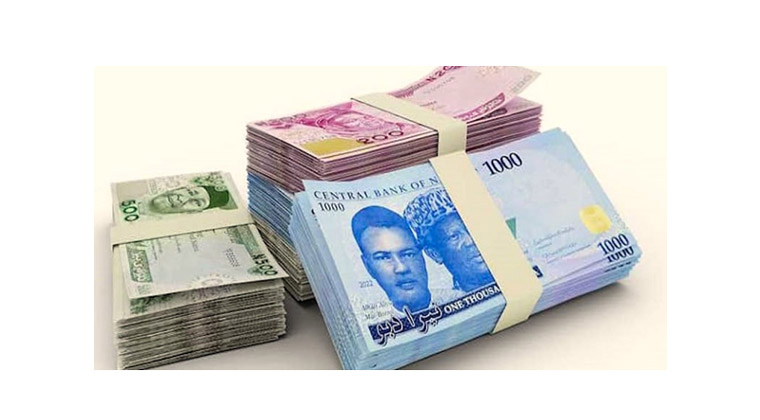
Cash Outside Nigerian Banks Rises to ₦4.92tn in September — CBN
Cash held outside Nigerian banks rose to ₦4.92 trillion in September, up ₦48.73 billion from August, according to CBN data.
 News
News
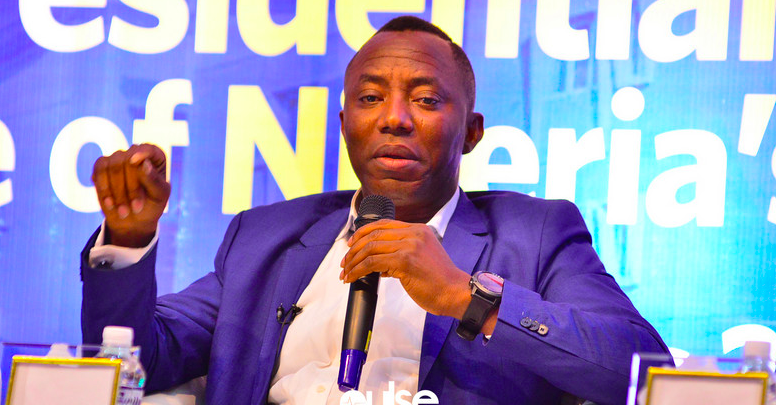
APC Scribe, Sowore Clash Over Aso Villa Campaign Inauguration Plan
APC National Secretary Ajibola Basiru dismisses Sowore’s request to use Aso Villa for his campaign inauguration, describing it as a political stunt.
Comments (0)
Leave a comment
All comments are moderated before publishing. Your email is never published.