
Ghost Workers: Tinubu Orders Forensic Audit of IPPIS, FG Agencies
Tinubu orders forensic audit of IPPIS and Federal Government agencies to uncover ghost workers, payroll fraud and systemic weaknesses.
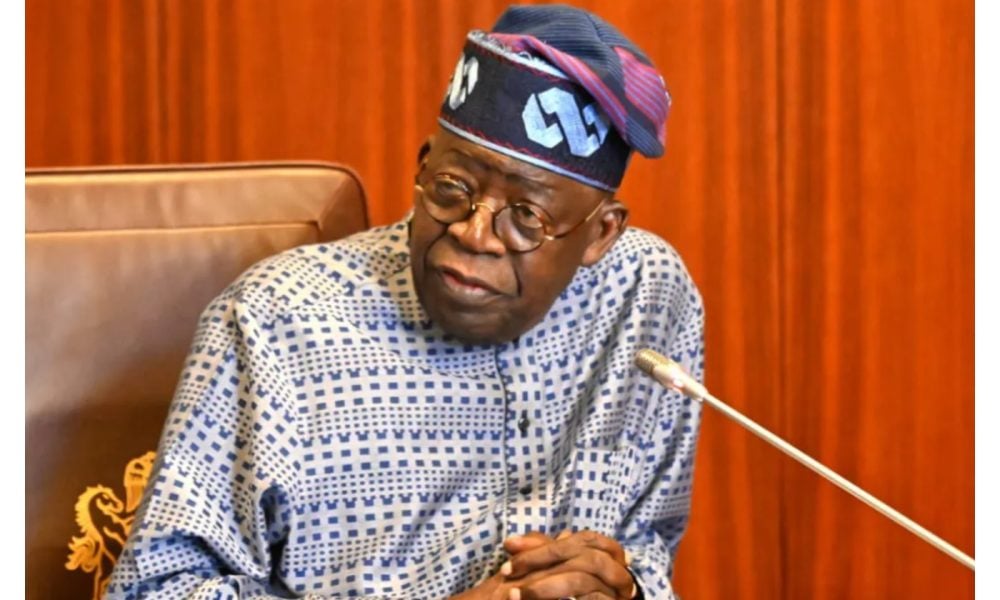
President Bola Tinubu has directed the Minister of Finance and Coordinating Minister of the Economy, Taiwo Oyedele, to oversee a comprehensive forensic audit of Federal Government systems, including the Integrated Personnel and Payroll Information System.
The directive was contained in a statement issued on Friday by the President’s Special Adviser on Information and Strategy, Bayo Onanuga.
The audit will cover IPPIS, Federal Government agencies and their administrative and internal control systems. It follows a resolution of the Federal Executive Council on August 19, 2026, after findings by the Independent Corrupt Practices and Other Related Offences Commission concerning fake agencies, ghost workers and other control failures.
According to the statement, the exercise is expected to determine the nature and extent of weaknesses within government control systems and establish how such weaknesses may have been exploited.
The audit will consist of two interconnected components.
The first will involve a forensic examination of government systems, particularly IPPIS and related payroll, personnel, pension and financial-management platforms.
It will investigate reported cases of ghost workers and payroll fraud, reconcile figures identified by the ICPC and trace how fictitious or ineligible individuals were enrolled.
The review will also examine access controls, identity verification, biometric systems and bank-account controls associated with government payroll.
Auditors will further examine the links between IPPIS and other government platforms, including GIFMIS, Remita, the Treasury Single Account and Sub-Treasury Account.
The exercise will determine whether identified irregularities resulted from system weaknesses, process failures, inadequate segregation of duties or deliberate circumvention of established procedures.
The second component will focus on Federal Government agencies, departments, commissions, councils, parastatals and other government bodies.
The government will establish a definitive inventory of such entities and verify their legal foundations. It will also examine how organisations obtain official recognition, budgetary allocations, correspondence privileges, office facilities and access to government systems.
Governance, procurement, internal audit and oversight mechanisms will also be assessed to identify and close loopholes that could allow irregular entities or individuals to access public resources.
Tinubu directed that the audit be conducted with the highest standards of independence, professionalism and forensic integrity.
The audit team will have access to relevant government records and systems and will collaborate with the ICPC to ensure that the exercise complements ongoing investigations, prosecutions and recoveries.
The Presidency said the exercise would go beyond identifying individual cases of fraud by strengthening government systems, improving data verification and reconciliation, reinforcing accountability and ensuring that only legitimate entities and eligible personnel have access to public resources.
The initiative underscores Tinubu’s stated commitment to improving transparency, fiscal governance and institutional integrity across the Federal Government.
Sponsored

Related stories
 News
News
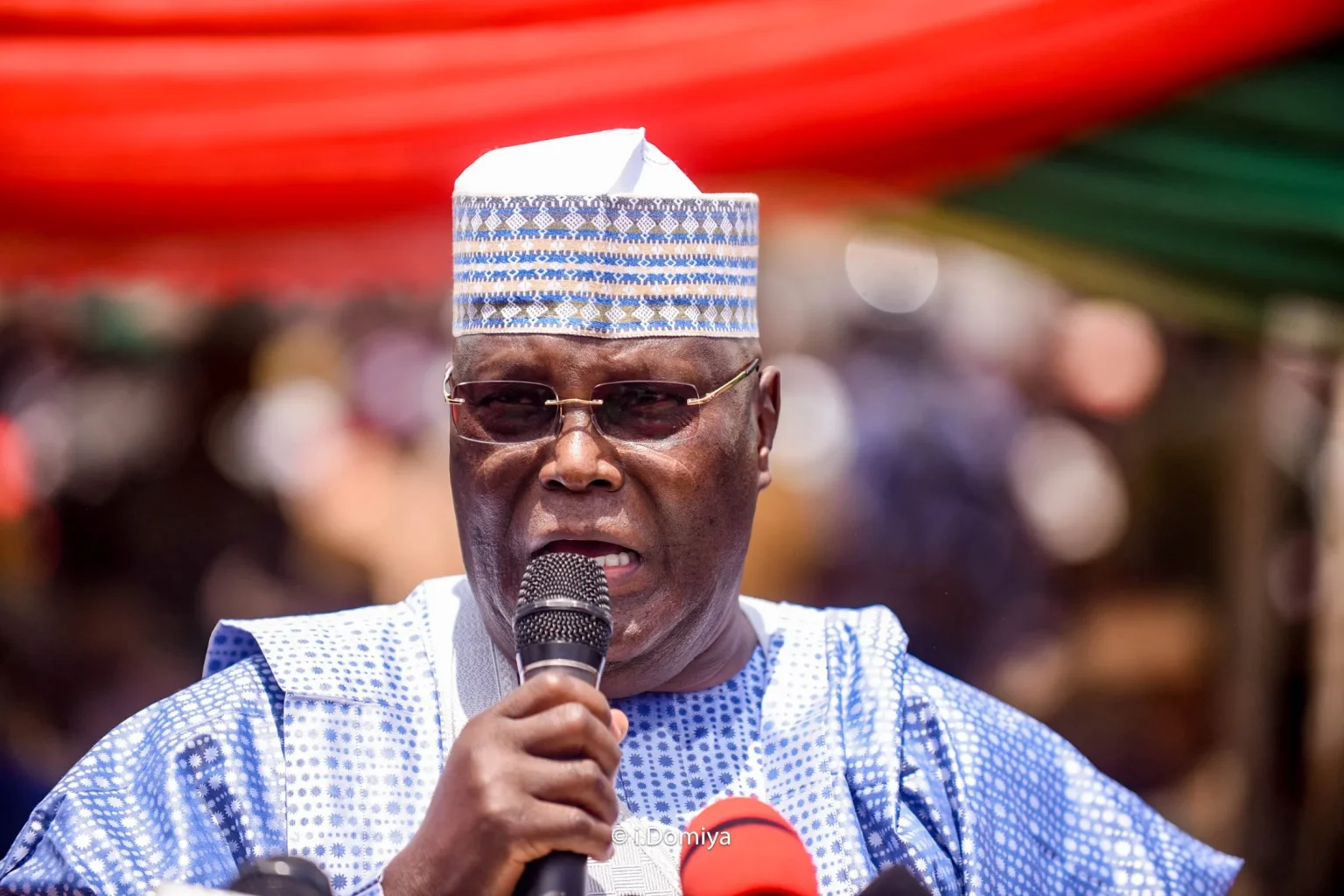
Atiku Asks Tinubu to Account for ₦10bn Ebola Preparedness Fund
Former Vice-President Atiku Abubakar demands a public audit of the ₦10 billion approved for Ebola preparedness, citing concerns over Nigeria’s response to a confirmed case in Abuja.
 News
News
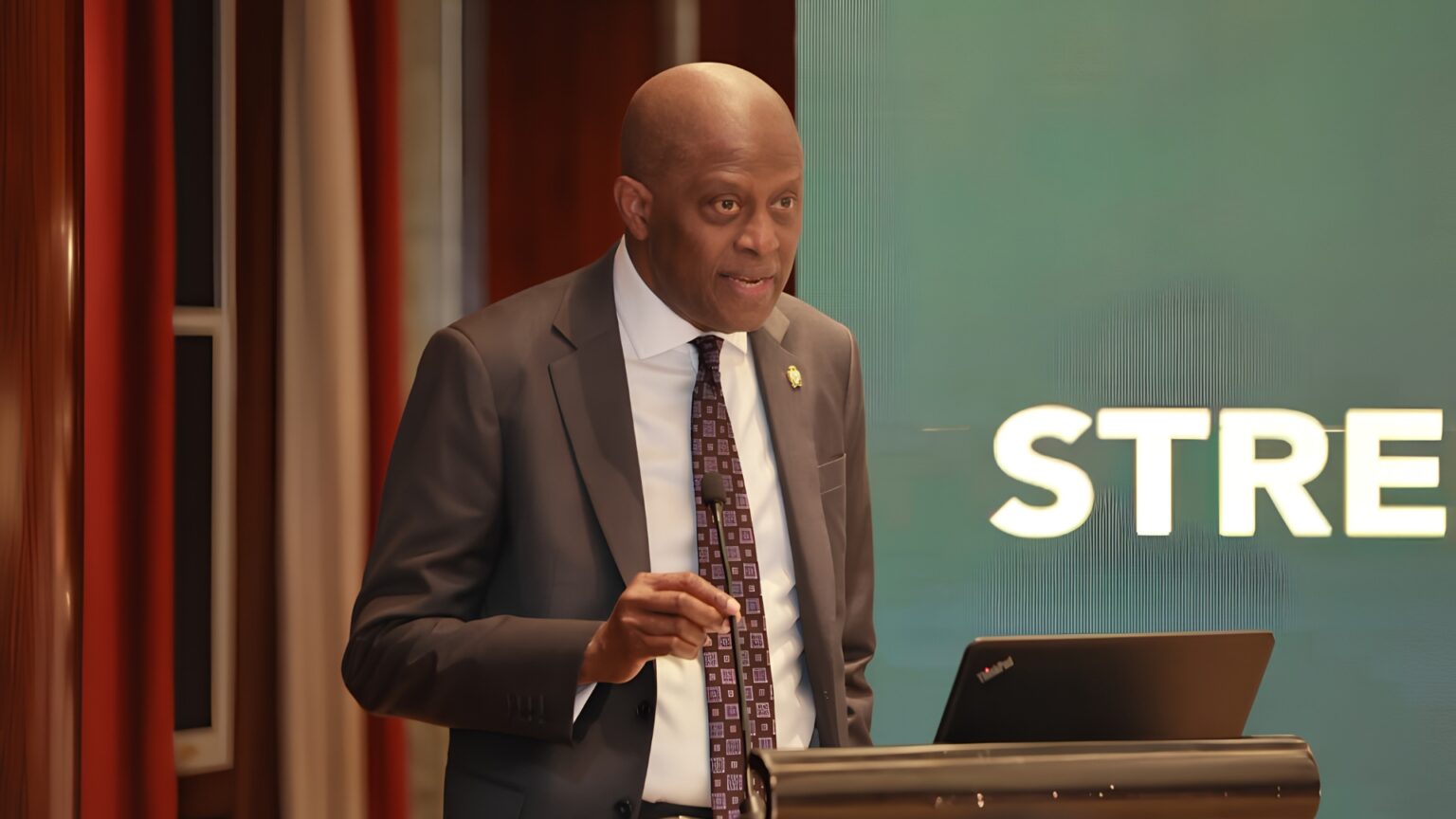
Cardoso Puts Nigerian Markets at Centre of Deeper Investment Ties With China
CBN Governor Olayemi Cardoso highlights Nigeria’s financial markets as a key channel for strengthening investment ties with China and attracting long-term capital.
 News
News
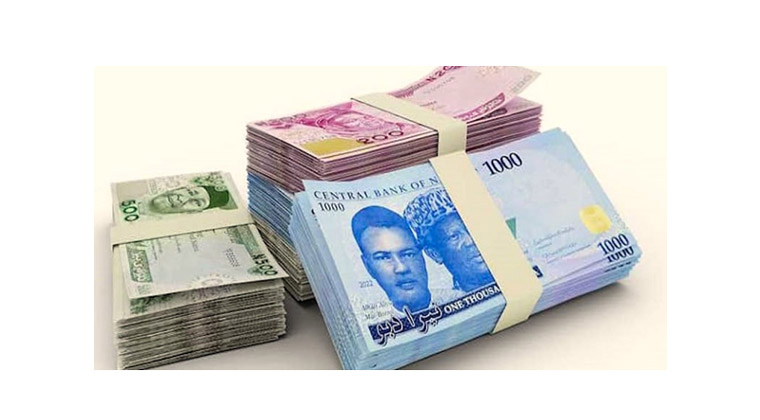
Cash Outside Nigerian Banks Rises to ₦4.92tn in September — CBN
Cash held outside Nigerian banks rose to ₦4.92 trillion in September, up ₦48.73 billion from August, according to CBN data.
 News
News
APC Scribe, Sowore Clash Over Aso Villa Campaign Inauguration Plan
APC National Secretary Ajibola Basiru dismisses Sowore’s request to use Aso Villa for his campaign inauguration, describing it as a political stunt.
Comments (0)
Leave a comment
All comments are moderated before publishing. Your email is never published.