
Nigeria, 7 Others Risk 12.5% US Tariff Over Forced Labour Claims
Nigeria and seven African countries risk a proposed 12.5% US tariff over forced labour concerns, with Washington warning of stricter trade penalties if compliance with labour standards is not improved.
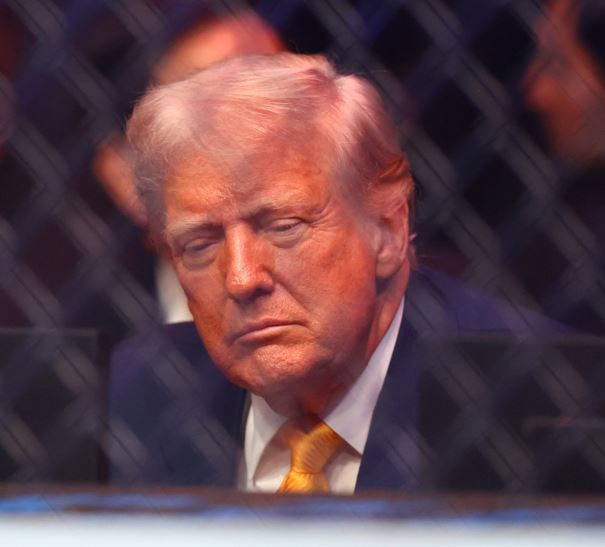
Nigeria and seven other African countries are facing the possibility of a new 12.5 per cent tariff on exports to the United States following allegations of insufficient action to curb forced labour in global supply chains.
The proposal was announced by the Office of the United States Trade Representative (Office of the United States Trade Representative) as part of a broader investigation covering 60 economies worldwide under its trade compliance and labour enforcement review framework.
The countries affected include Nigeria, Algeria, Angola, Egypt, Libya, Mauritania, Morocco and South Africa. According to the USTR, these countries have not implemented or enforced adequate measures to prevent goods produced with forced labour from entering their markets.
If approved, the new tariff would be added to an existing 10 per cent baseline duty under the United States’ reciprocal trade policy framework, potentially raising total tariffs on Nigerian exports to 27.5 per cent. The move would significantly affect trade competitiveness and export flows from the region to the U.S. market.
The USTR explained that the proposed action targets labour-related trade violations rather than general trade imbalances. It argued that failure to block forced-labour-linked goods creates unfair advantages in global supply chains by enabling cheaper products that distort competition.
According to the agency, such practices undermine fair trade, disadvantage American producers, and distort both domestic and international markets. It further noted that goods produced under forced labour conditions are diverted into global trade channels, affecting pricing and market stability.
“The measure is about levelling the playing field,” the agency stated, adding that only countries with credible enforcement systems to prevent forced labour-linked imports would be exempt from the proposed tariffs.
In a formal statement, the USTR said under Section 301 of the Trade Act of 1974, the identified practices constitute “unreasonable acts” that burden or restrict U.S. commerce and are therefore actionable under trade law.
U.S. Trade Representative Ambassador Jamieson Greer emphasized that persistent failure by trading partners to address forced labour issues was unacceptable and created unfair global competition for American workers.
“The failure of our most important trading partners to address the importation of goods made with forced labor is unacceptable,” he said, adding that the United States would no longer tolerate such disparities in global trade practices.
He noted that while some trading partners have taken initial steps through agreements such as USMCA and reciprocal trade arrangements, more action is required to ensure that trade policies do not inadvertently support forced labour.
The proposal remains under review and has not yet taken effect. Analysts say its eventual implementation could have significant implications for African export competitiveness, particularly in manufacturing, agriculture and raw materials sectors.
The development comes amid increased scrutiny by Washington of global trade practices, as the United States continues to adopt a more interest-driven approach to international economic relations.
Sponsored
Related stories
 News
News
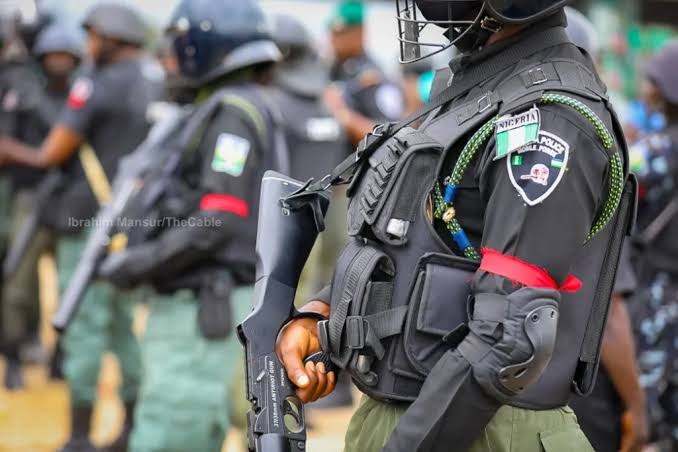
Police Arrest Three Suspects over Drug Possession, Child Defilement in Bauchi
Bauchi Police have arrested two men over suspected Indian hemp possession and a 20-year-old man over the alleged defilement of a seven-year-old girl in Dass.
 News
News
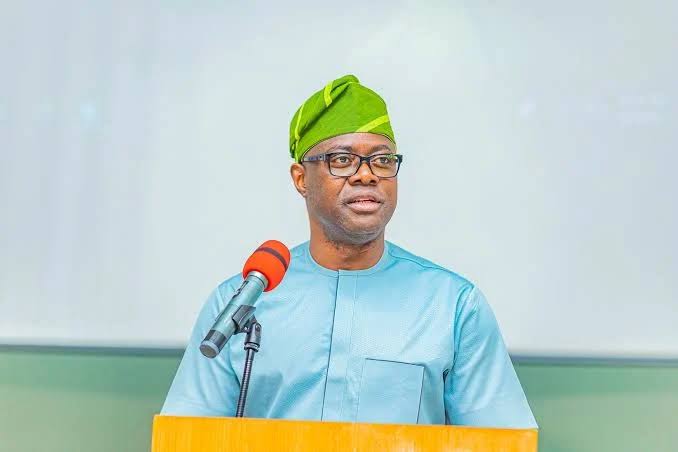
Oyo Government Denies Diphtheria Outbreak Claims, Says No Cases Confirmed
The Oyo State Government says no diphtheria cases have been confirmed, dismissing claims by an APC campaign organisation while outlining measures to manage suspected cases.
 News
News
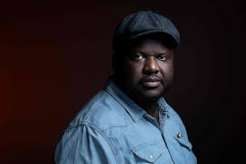
Haitian-Canadian Novelist Denies Using AI to Write Debut Novel
Haitian-Canadian author Thélyson Orélien has denied using artificial intelligence to write his acclaimed debut novel, while admitting to past plagiarism and describing the controversy surrounding his work as deeply distressing.
 News
News
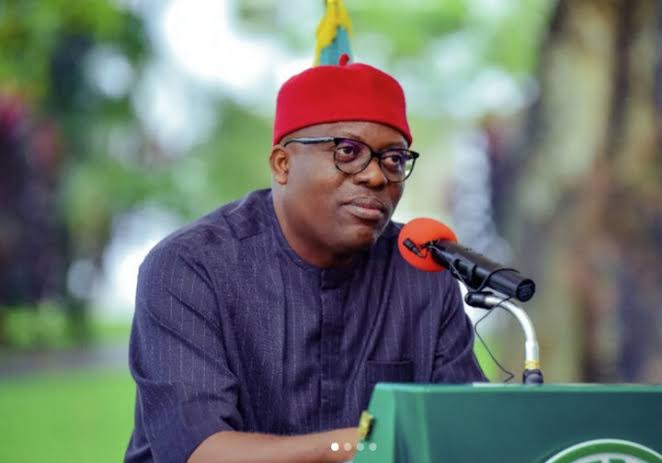
Fubara Commends IGP Disu for Neutrality During Rivers Crisis
Rivers State Governor Siminalayi Fubara has commended the Inspector-General of Police, Mr Olatunji Disu, for maintaining neutrality and professionalism while serving as Commissioner of Police in the state during its political crisis.
Comments (0)
Leave a comment
All comments are moderated before publishing. Your email is never published.