
NADF, OSPRE Partner To Provide Early Warning Information For Farmers, Policymakers
The National Agricultural Development Fund (NADF) and OSPRE have signed an MoU to launch an Agricultural Early Warning System aimed at improving food security through timely alerts on climate, pest and market risks affecting farming activities.
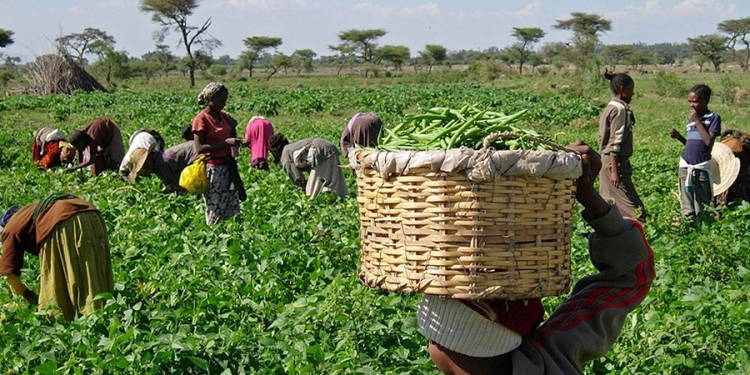
The National Agricultural Development Fund (NADF) and the Office for Strategic Preparedness and Resilience (OSPRE) have signed a Memorandum of Understanding (MoU) to deploy an Agricultural Early Warning System for farmers, policymakers, financial institutions and other stakeholders across Nigeria.
The initiative is designed to provide timely information to support planning and response to threats affecting agricultural production and food security nationwide.
According to a statement signed by the Head of Communications Unit, Onikepo Babalola, the agreement establishes a framework for collaboration on a multi-hazard Agricultural Early Warning and Response System aimed at strengthening preparedness and rapid intervention in the agricultural sector.
Speaking during the signing ceremony at the NADF headquarters in Abuja, the Executive Secretary and Chief Executive Officer of NADF, Mohammed A. Ibrahim, said the partnership reflects the organisation’s commitment to strengthening support systems for farmers and agribusinesses.
He noted that the agricultural sector continues to face significant pressure from climate variability, environmental degradation, pest outbreaks and market disruptions, all of which threaten productivity and investment.
“One of the core pillars of NADF’s strategy is emergency response and resilience support for farmers and agricultural communities,” Ibrahim said.
“This collaboration will help us move from reactive interventions to a more proactive approach in responding to threats affecting food production nationwide.”
The Director-General of OSPRE, Chris Ngwodo, described the agreement as a major step toward improving coordination on food security and climate resilience in Nigeria.
“Human security is not limited to physical security alone; it also includes food systems, climate shocks, livelihoods and community resilience,” he said.
Ngwodo explained that OSPRE, established under ECOWAS-aligned early warning frameworks, is mandated to monitor and respond to threats related to food security, environmental risks and community stability.
He added that the system would enhance regional preparedness and strengthen Nigeria’s ability to anticipate and mitigate risks before they escalate into crises affecting agricultural output.
Sponsored

Related stories
 News
News
NSA Unveils New Security Framework to Tackle Oil Theft, Pipeline Vandalism
Nuhu Ribadu unveils standard procedures to coordinate security agencies and contractors, protect oil infrastructure and curb crude theft.
 News
News
Child Soldier: US Threatens to Cut Military Aid to Nigeria
US listing cites child recruitment by Boko Haram and ISWAP, threatening restrictions on military assistance.
 News
News
IMF Warns Poverty Risks Persist Despite Nigeria’s Economic Stability
The IMF warns that rising food and energy prices continue to threaten vulnerable Nigerians despite improving economic stability and growth.
 News
News
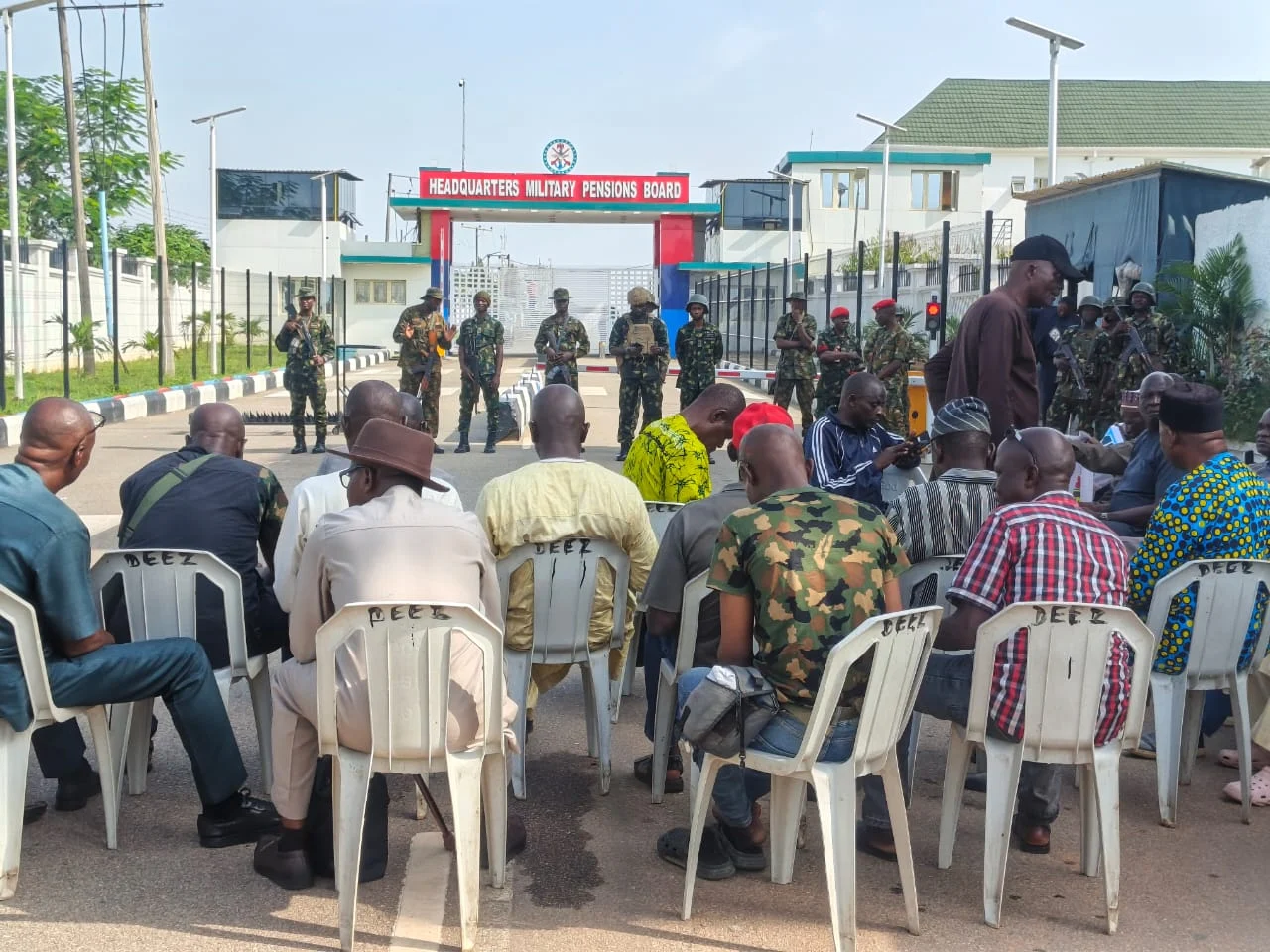
Military Veterans Block Pensions Board Entrance, Demand Fair Adjustment
Retired military personnel in Abuja protest pension calculations, demanding a fair review of adjustments linked to salary increases.
Comments (0)
Leave a comment
All comments are moderated before publishing. Your email is never published.