
N105bn Cash Returns to Banks After February Rate Cut
Cash held outside Nigeria’s banking system dropped by N104.76bn between February and April 2026 after the Central Bank reduced interest rates, indicating stronger liquidity retention within banks despite rising money supply.
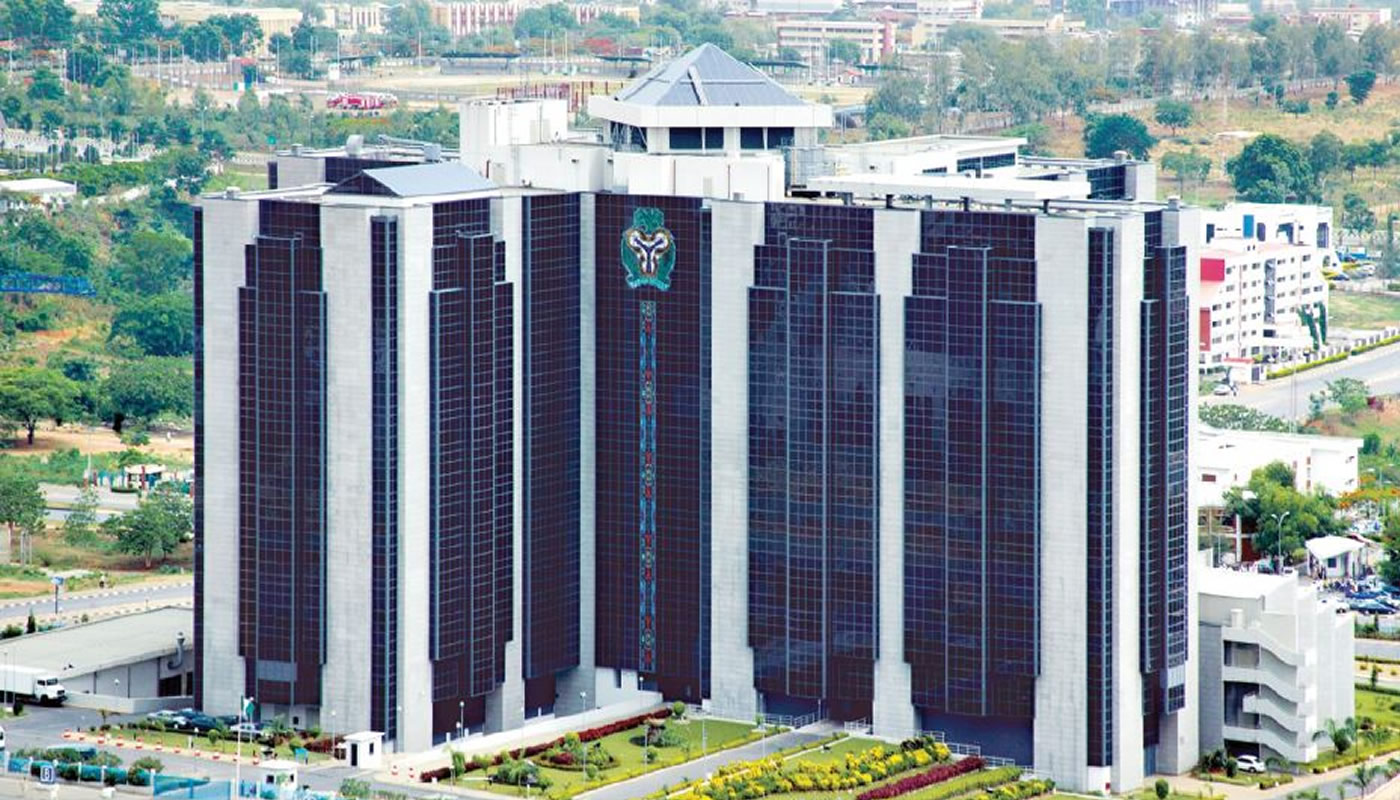
Cash held outside Nigeria’s banking system declined by N104.76bn between February and April 2026 following the Central Bank of Nigeria’s decision to lower interest rates at its first Monetary Policy Committee meeting of the year.
Data obtained from the CBN’s money and credit statistics showed that currency outside banks fell from N5.19tn in February 2026, when the Monetary Policy Rate was reduced to 26.5 per cent, to N5.08tn in April 2026.
The figures indicated that cash held outside bank vaults dropped by 2.02 per cent within the two-month period following the rate cut. However, the apex bank did not release currency data for March 2026, making month-on-month analysis impossible.
Further analysis showed that total currency in circulation also declined during the review period, dropping by N63.46bn from N5.71tn in February to N5.65tn in April.
Currency outside banks accounted for 90.03 per cent of total currency in circulation in April 2026, compared with 90.87 per cent in February and 94.33 per cent in December 2025, indicating that a slightly larger share of cash remained within the banking system after the policy adjustment.
Compared with December 2025, currency outside banks declined by N324.16bn, representing a 5.99 per cent drop.
Despite the recent moderation, cash levels remained significantly higher than figures recorded during the same period in 2025. Currency outside banks increased by N515.58bn from N4.57tn in April 2025 to N5.08tn in April 2026, representing an 11.29 per cent year-on-year rise.
Similarly, total currency in circulation rose by N631.54bn year-on-year from N5.01tn in April 2025 to N5.65tn in April 2026.
The data also showed that reserves held by banks with the CBN rose sharply from N32.74tn in February 2026 to N34.60tn in April 2026, reflecting an increase of N1.86tn or 5.68 per cent.
Meanwhile, Nigeria’s broad money supply increased from N123.12tn in February 2026 to N124.99tn in April 2026, driven mainly by growth in net domestic assets, which rose from N97.55tn to N100.97tn during the period.
Sponsored

Related stories
 News
News
NSA Unveils New Security Framework to Tackle Oil Theft, Pipeline Vandalism
Nuhu Ribadu unveils standard procedures to coordinate security agencies and contractors, protect oil infrastructure and curb crude theft.
 News
News
Child Soldier: US Threatens to Cut Military Aid to Nigeria
US listing cites child recruitment by Boko Haram and ISWAP, threatening restrictions on military assistance.
 News
News
IMF Warns Poverty Risks Persist Despite Nigeria’s Economic Stability
The IMF warns that rising food and energy prices continue to threaten vulnerable Nigerians despite improving economic stability and growth.
 News
News
Military Veterans Block Pensions Board Entrance, Demand Fair Adjustment
Retired military personnel in Abuja protest pension calculations, demanding a fair review of adjustments linked to salary increases.
Comments (0)
Leave a comment
All comments are moderated before publishing. Your email is never published.