
Katsina Trains 250 IDPs in Livestock Production to Rebuild Livelihoods
The Katsina State Government, in collaboration with the UNDP and the German Federal Foreign Office, has trained 250 internally displaced persons from Batsari Local Government Area in modern livestock production and animal rearing. The two-day programme is designed to equip beneficiaries with practical skills to rebuild their economic livelihoods, achieve self-reliance, and escape the cycle of displacement-induced poverty.
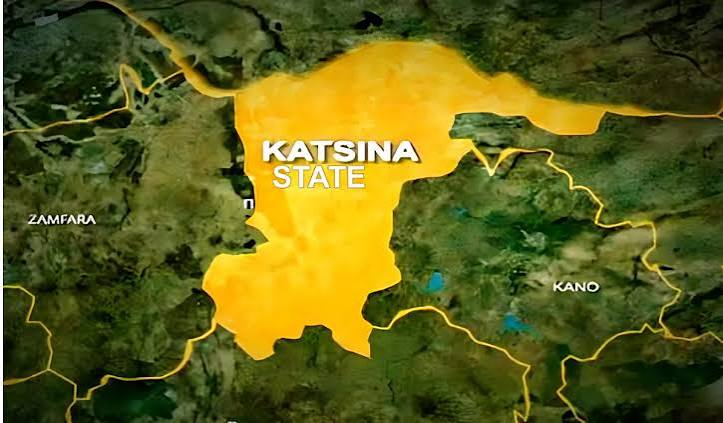
The Katsina State Government has conducted a two-day empowerment training programme for 250 internally displaced persons (IDPs) on livestock production and animal rearing, in a deliberate effort to equip the beneficiaries with practical knowledge and skills to improve livestock production and establish sustainable sources of livelihood.
The training, which focused on modern methods of livestock production and management, was organised by the Ministry of Rural and Social Development in collaboration with the United Nations Development Programme (UNDP) and the German Federal Foreign Office. The beneficiaries were selected from Batsari Local Government Area, one of the areas hardest hit by banditry and kidnapping in the state.
Declaring the training open, the Commissioner for the Ministry of Rural and Social Development, Professor Abdulhamid Ahmed, said the initiative was designed to provide participants with the knowledge needed to improve their livelihoods and become more self-reliant. He explained that the programme was part of ongoing efforts to support IDPs by providing them with vocational and livelihood skills that can help them generate income and improve their standard of living.
According to the Commissioner, the training was also designed to help beneficiaries rebuild their economic livelihoods and engage in productive activities that can support their daily needs. Participants were trained in improved livestock-rearing techniques, proper animal management and other methods that can help them increase the number and productivity of their livestock. The training provided beneficiaries with practical knowledge that will enable them to manage livestock more effectively and derive greater economic benefits from the activity.
The choice of livestock production as the focus of the intervention is significant given the agricultural and pastoral heritage of Batsari Local Government Area. The area is rich in natural resources and endowed with farmland, irrigation facilities and rivers that can support livestock rearing. For IDPs who have been forced to abandon their homes and farms due to insecurity, livestock production offers a viable pathway to economic recovery that does not require large tracts of land or long gestation periods before yielding returns.
The collaboration between the Katsina State Government, the UNDP and the German Federal Foreign Office reflects a growing recognition that addressing the IDP crisis in Nigeria's North West requires not just humanitarian assistance but also sustainable development interventions that empower displaced persons to rebuild their lives. Humanitarian relief, while essential, can only provide temporary respite. The provision of skills and the means to generate income offers a more durable solution, enabling beneficiaries to move from dependence on aid to self-sufficiency.
Katsina State has borne a heavy burden from the banditry and kidnapping crisis that has ravaged the North West region for over a decade. Thousands of families have been displaced from their communities, with many taking refuge in camps or with relatives in urban areas. The economic and social consequences of this displacement have been devastating, with affected households losing their sources of income, their assets and their means of subsistence. For women and young people in particular, the loss of livelihoods has compounded their vulnerability and exposed them to further risks.
The training programme is part of a broader strategy by the Katsina State Government to address the root causes of vulnerability among displaced populations. By equipping IDPs with marketable skills in livestock production, the government is not only helping them generate income but also contributing to food security in the state. Livestock production provides a source of protein, creates employment opportunities along the value chain, and stimulates local economic activity.
The initiative also aligns with the Katsina State Government's wider agricultural development agenda, which has prioritised livestock production as a key driver of economic growth and rural development. The state has invested in veterinary services, livestock markets and other infrastructure to support the sector, and the training of IDPs in modern production techniques is expected to complement these efforts.
Participants at the training expressed appreciation for the opportunity to acquire new skills, with many saying they were eager to put their knowledge into practice and begin rebuilding their lives. For these beneficiaries, the training represents more than just a two-day programme; it is a lifeline that offers hope for a future beyond displacement.
As the Katsina State Government, the UNDP and the German Federal Foreign Office continue their collaboration, the success of this initiative will be measured not just in the number of IDPs trained but in the number who are able to establish viable livestock enterprises, generate sustainable incomes and achieve a measure of economic independence. For the 250 beneficiaries from Batsari, the training is the first step on a long road back to self-reliance, and the skills they have acquired will serve as the foundation for a more stable and dignified future.
Sponsored

Related stories
 Youth Empowerment
1,000 Tech Scholars to Benefit From Ekeh Foundation, NCS Partnership
The Leo Stan Ekeh Foundation has signed a Memorandum of Understanding with the Nigeria Computer Society to provide mentorship, technical training, and practical industry experience to 1,000 beneficiaries of its technology scholarship programme. The initiative will select students from all 36 states and the FCT, covering their education from first year through graduation while pairing each scholar with a dedicated industry mentor.
 Youth Empowerment
Ibadan NGO Empowers 100 Girls, Urges Oyo to Fight Child Marriage
The Oluwakemi Olusola Girl Child Foundation, with two partner foundations, gave 100 girls in an underserved Ibadan community medical checks, school bags, food, hygiene kits and counselling, while calling on the Oyo government to intensify its fight against child marriage.
 Youth Empowerment
NNPC, Eni Award Postgraduate Scholarships to 30 Nigerian Graduates
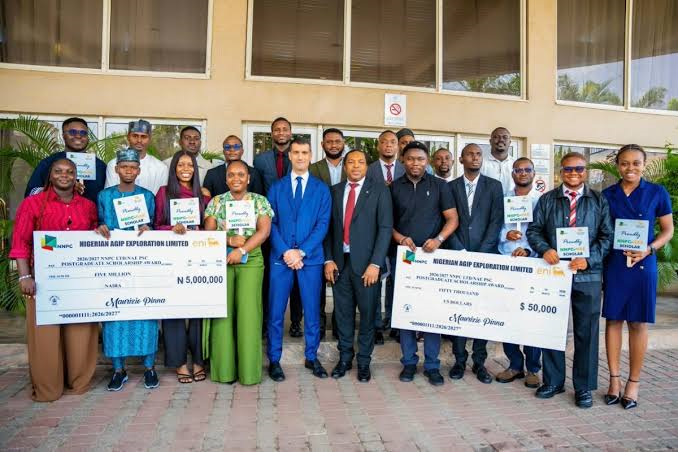
The NNPC/Eni Joint Venture has awarded postgraduate scholarships to 30 Nigerian graduates for the 2026/2027 academic session, selecting the beneficiaries from over 3,000 applicants. Ten scholars will study at top universities abroad, including Imperial College London and the University of Aberdeen, while the remaining 20 will pursue degrees in Nigerian institutions across engineering, geosciences, renewable energy, and energy transition disciplines.
 Youth Empowerment
100,000 Pupils Get N20,000 Each Under N2bn Fund
First Lady Oluremi Tinubu has launched a N2 billion Learners Retention Support Programme that will provide N20,000 each to 100,000 pupils in its first phase, alongside the distribution of two million packs of sanitary towels and back-to-school materials to girls in public basic schools across Nigeria. The initiative, flagged off to mark the 2026 International Day of the Girl Child, is designed to remove the financial and hygiene barriers that force thousands of Nigerian girls out of the classroo
Comments (0)
Leave a comment
All comments are moderated before publishing. Your email is never published.