
Grassroots Liquidity: How Blockchain-Backed Community Currencies Are Transforming Local Commerce in Tanzania
An innovative blockchain initiative in Tanzania is helping rural entrepreneurs beat local cash shortages by introducing mobile-accessible, asset-backed community vouchers to keep local trade moving.
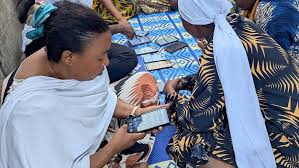
In many rural and peri-urban markets across Africa, a lack of physical cash frequently stalls economic activity. Small-scale entrepreneurs often possess goods to sell and needs to meet, yet a structural shortage of national currency leaves them stuck in an economic standstill. To bypass this barrier, an innovative grassroots initiative in Tanzania has leveraged blockchain technology to introduce alternative, localized vouchers that serve as a reliable means of exchange.
Known as community asset-backed currencies, these digital tokens do not replace the national legal tender but act as a supplementary liquidity tool. Local traders, farmers, and artisans can issue and accept these vouchers within their immediate business networks. By keeping trade flowing smoothly when cash is tight, the system effectively shields local economies from external financial volatility.
The success of the project rests heavily on its transition to open-source blockchain infrastructure. By recording transactions on an immutable, distributed digital ledger, the system eliminates the traditional risks of counterfeit vouchers and bookkeeping disputes, replacing them with institutional transparency.
Crucially, the platform operates seamlessly via basic mobile networks:
- Accessible USSD Channels: Users can manage transactions, check balances, and swap tokens without requiring expensive smartphones or data connections.
- Asset Backing: The community vouchers are anchored to real, physical commodities or collective funds, ensuring the token maintains stable, trusted purchasing power within the marketplace.
- Mutual Credit Systems: Trusted networks of business owners can extend micro-credit lines to one another during seasonal downturns, ensuring essential supplies like seeds, fertilizer, and school equipment remain accessible.
The real-world impact of these blockchain-backed regional currencies has been profound. Rather than relying on volatile global crypto-assets, Tanzanian communities have built a stable, inward-looking economic safety net.
When national currency drops out of circulation during economic dry spells, local trade no longer grinds to a halt. Instead, the velocity of money remains high within the community footprint. Farmers can sell their maize to local shops, and shopkeepers can pay local tailors, all by swapping digital vouchers that represent real local value.
This innovative financial model demonstrates that blockchain's most practical application in emerging markets may not lie in speculative high finance, but in providing simple, resilient, and democratic tools for everyday survival and entrepreneurship.
Sponsored

Related stories
 Tech & Education
African Universities Urged to Rethink Teaching in AI Era
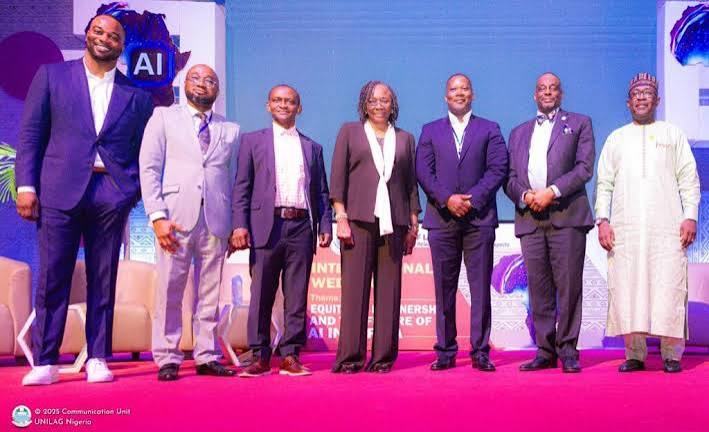
At UNILAG's International Week, leaders from the University of Ghana, UNILAG and UNDP argued that AI makes memorisation-based teaching obsolete and urged universities to reform curricula, assessment and incentives to reward critical thinking and innovation.
 Tech & Education
Otti’s Wife Supports 1,000 Abia Pupils With School Materials
The wife of the Abia State Governor, Mrs. Priscilla Otti, has distributed back-to-school materials to 1,000 indigent pupils from 50 public schools across the state's 17 local government areas, declaring that a child's background should never be a barrier to greatness. The intervention, organised by the Safe Tent Care Initiative in collaboration with the Abia State Universal Basic Education Board, is designed to support families struggling to provide essential educational materials for their chil
 Tech & Education
AI Era: Experts Warn Nigerian Graduates Face Skills Gap
Education experts have warned that Nigerian universities risk producing graduates who are ill-prepared for an AI-driven global job market unless curricula are urgently overhauled. At the StudyIn Global Study Conference 2026 in Lagos, stakeholders called for proactive curriculum reform, ethical AI adoption, and a shift from producing AI users to nurturing AI innovators who can solve real-world problems.
 Tech & Education
YABATECH, Threatremeter Launch Filmmaking Centre
Yaba College of Technology has signed a partnership with Threatremeter Nigeria Limited to establish a Centre for Filmmaking and Production, offering certified training in acting, directing and film production for students and the public.
Comments (0)
Leave a comment
All comments are moderated before publishing. Your email is never published.