
Ghana Space Science and Technology Institute to launch second nanosatellite
The Ghana Space Science and Technology Institute has announced plans to launch GhanaSat-2 aboard a SpaceX rideshare mission later this year.
The Ghana Space Science and Technology Institute (GSSTI) has announced that GhanaSat-2, the country's second nanosatellite, is on schedule for launch aboard a SpaceX Transporter rideshare mission in Q4 2025.
Director General Professor Richard Amankwah said the satellite would carry earth-observation payloads to monitor land use, deforestation and coastal erosion.
The satellite was built entirely by Ghanaian engineers and researchers at the GSSTI facility in Accra.
Sponsored

Related stories
 Tech & Education
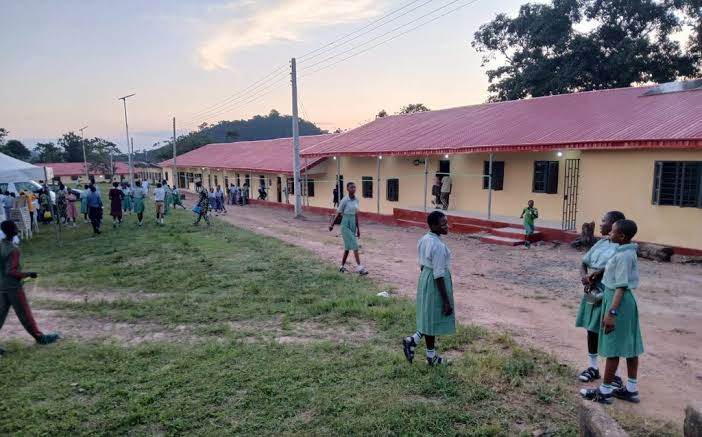
Bamidele Unveils N200m Renovated Science College
Senate Leader Opeyemi Bamidele has commissioned the renovated Government Science College, Iyin-Ekiti, personally funded at over N200 million, donating buses to the school and nearby FUTESI while promising a second phase of upgrades.
 Tech & Education
Abia Students Crowned Global Debate Champions
Students from public schools in Abia State, representing Nigeria, have emerged overall champions at the 2026 International Schools Debate Championship in Doha, Qatar, winning four major trophies and 12 laurels after defeating teams from Jordan, India, Qatar, the Philippines, Kenya and others. The historic victory has been hailed as proof that Governor Alex Otti's education reforms are producing world-class scholars.
 Tech & Education
WAEC Appoints Suleiman Kum as New Head of Nigeria National Office
The West African Examinations Council has appointed 56-year-old Suleiman Danlami Kum as the new Head of the Nigeria National Office, succeeding Dr Amos Josiah Dangut, who has assumed office as the council’s Registrar and Chief Executive Officer. A seasoned test developer, administrator and executive with 28 years of service, Kum is expected to drive technological innovation and examination security across Nigeria’s foremost examinations body.
 Tech & Education
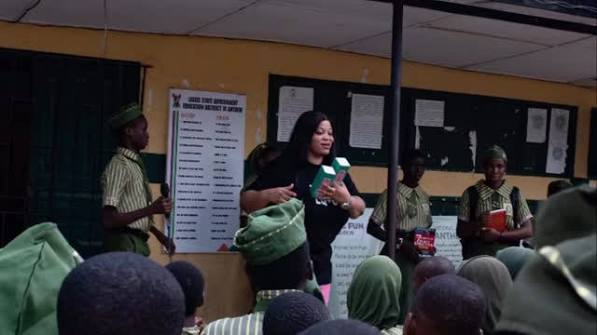
Emmanuel College ’88 Set Renovates Classrooms, Pays Exam Fees
The Progressives of the Unique 1988 Set of Emmanuel College Owerri have unveiled a renovated five-classroom block and paid NECO and WAEC fees for financially disadvantaged students at their alma mater.
Comments (0)
Leave a comment
All comments are moderated before publishing. Your email is never published.