
Fulani People to US Panel: Stop Portraying Us as Sole Source of Insecurity in Nigeria
Concerned Fulani People of Nigeria has urged the United States and international actors to avoid portraying Fulani communities as the sole drivers of insecurity, warning against dangerous ethnic stereotyping nationwide.
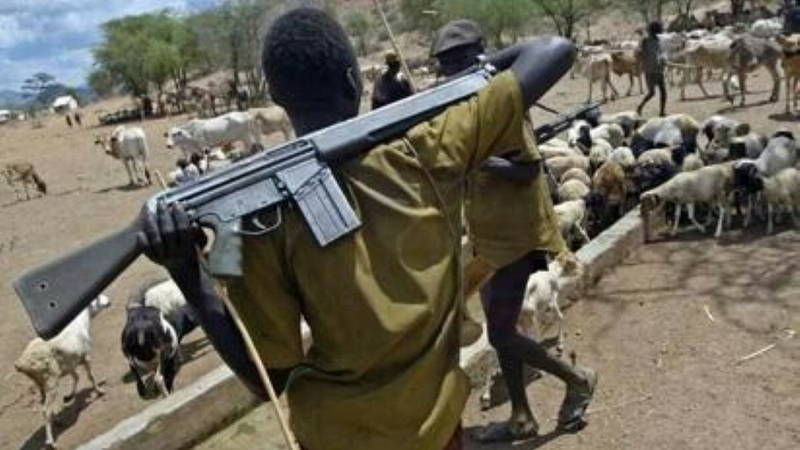
The Concerned Fulani People of Nigeria has cautioned international actors, particularly the United States, against portraying Fulani people as the singular source of insecurity in Nigeria, warning that such narratives could worsen ethnic tensions across the country.
In a statement signed Thursday by Ibrahim Barkindo Chubado, the group criticized what it described as contradictions in United States reporting on Nigeria’s security crisis, especially references linking Fulani communities to widespread violence, banditry, and alleged militancy.
According to the group, earlier US assessments had warned against ethnic profiling and broad generalisations, stressing that such narratives could inflame communal conflicts. It recalled that during the administration of former President Muhammadu Buhari, insecurity debates were frequently tied to Fulani identity and religion.
The group argued that the resulting narratives contributed to attacks on innocent Fulani settlements in parts of southern and north-central Nigeria, leading to destruction of property, killings, and loss of livestock.
It maintained that herder-farmer conflicts in states such as Benue State, Plateau State, and Taraba State had often been oversimplified, despite experts attributing many of the disputes to land use pressures, environmental changes, grazing routes, and local political tensions.
The statement also referenced past criminal incidents in Ekiti State, Ondo State, and Edo State, claiming that early accusations against Fulani groups were later disputed by security findings.
On the 2022 attack on St. Francis Catholic Church in Owo, the group said Fulani herders were initially blamed before the Defence Headquarters allegedly linked the attack to criminal elements associated with an Ebira subgroup. It added that some Fulani residents in Ondo still faced profiling and arrests despite the clarification.
The group further reacted to reports linked to the United States Commission on International Religious Freedom alleging that about 30,000 armed Fulani militants were responsible for insecurity in Nigeria. It described the claim as unfair stereotyping capable of worsening ethnic divisions.
According to the group, Nigeria’s insecurity involves multiple actors, including terrorists, kidnappers, separatists, bandits, and communal militias, and should not be blamed on a single ethnic or religious group.
The organisation called for balanced reporting, evidence-based analysis, fairness, and national unity in addressing Nigeria’s security challenges, warning against narratives that could deepen mutual suspicion among ethnic groups.
Sponsored

Related stories
 News
News
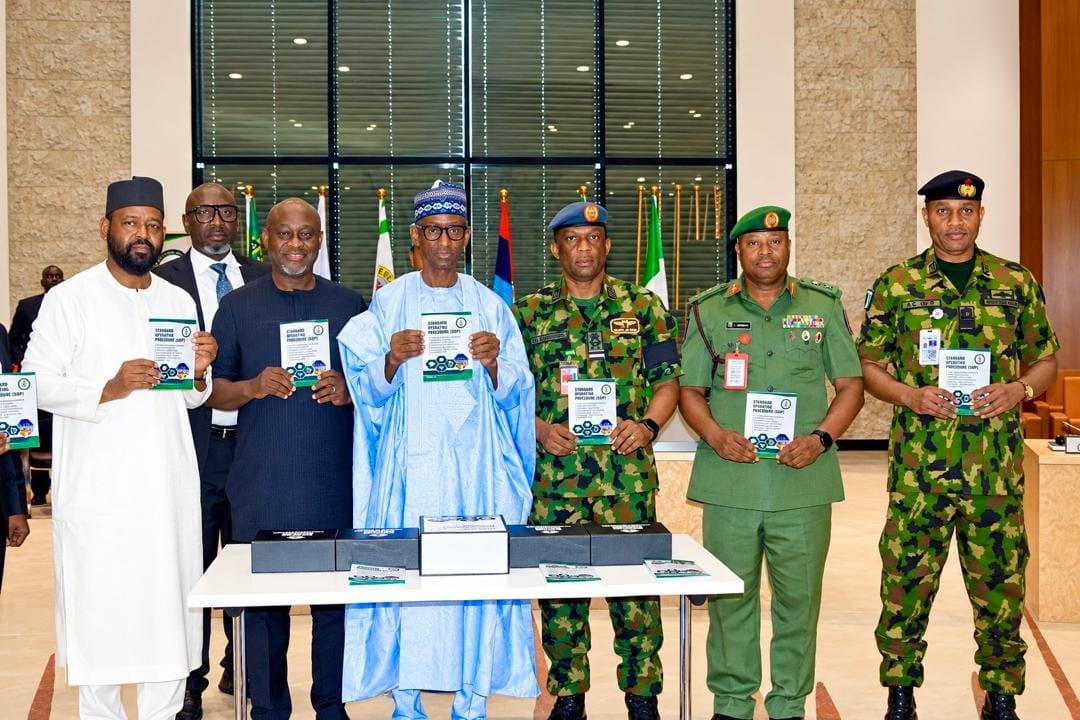
NSA Unveils New Security Framework to Tackle Oil Theft, Pipeline Vandalism
Nuhu Ribadu unveils standard procedures to coordinate security agencies and contractors, protect oil infrastructure and curb crude theft.
 News
News
Child Soldier: US Threatens to Cut Military Aid to Nigeria
US listing cites child recruitment by Boko Haram and ISWAP, threatening restrictions on military assistance.
 News
News
IMF Warns Poverty Risks Persist Despite Nigeria’s Economic Stability
The IMF warns that rising food and energy prices continue to threaten vulnerable Nigerians despite improving economic stability and growth.
 News
News
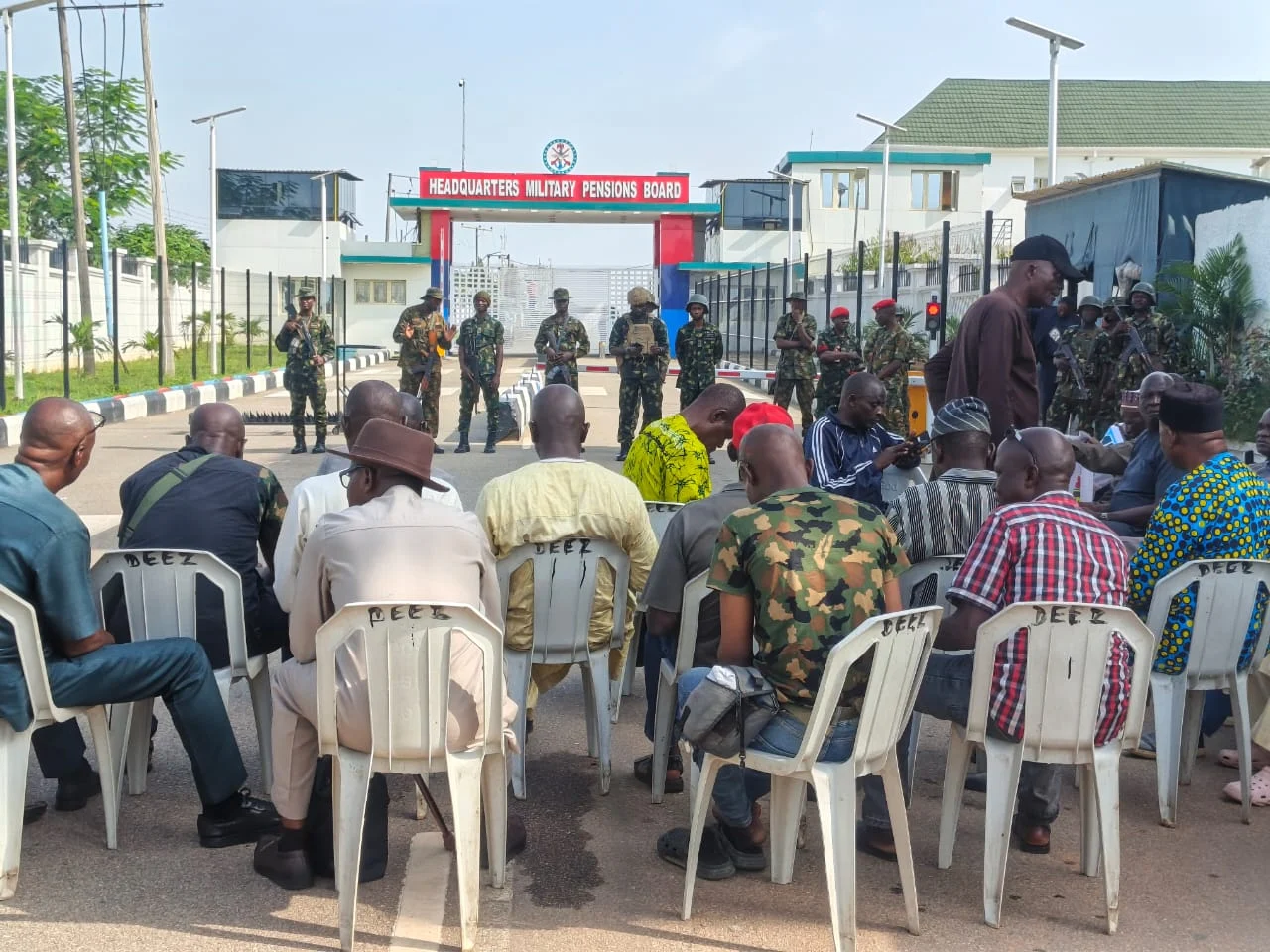
Military Veterans Block Pensions Board Entrance, Demand Fair Adjustment
Retired military personnel in Abuja protest pension calculations, demanding a fair review of adjustments linked to salary increases.
Comments (0)
Leave a comment
All comments are moderated before publishing. Your email is never published.