
Fuel Subsidy Removal Creates Fiscal Headroom for Development — Information Minister
Information Minister Mohammed Idris says fuel subsidy removal created fiscal space for infrastructure, education and other development projects.
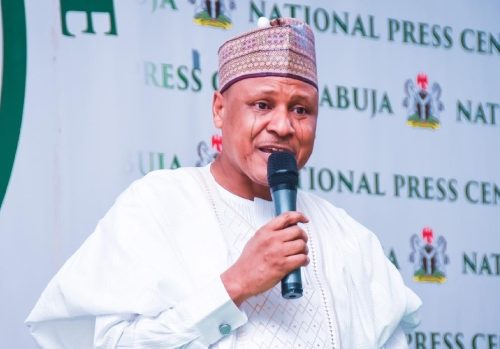
The Minister of Information and National Orientation, Mohammed Idris, has said the removal of fuel subsidy created additional fiscal headroom for the Federal Government to pursue development projects across Nigeria.
Idris stated this on Thursday during an official visit to Taraba State Governor Agbu Kefas in Jalingo, as part of activities marking the state’s 35th anniversary.
The anniversary is themed, “Celebrating 35 Years of Unity, Peace and Progress.”
The minister said President Bola Tinubu’s administration had introduced several reforms since assuming office on May 29, 2023, aimed at repositioning the Nigerian economy.
He identified the removal of fuel subsidy and the unification of the foreign exchange market as some of the administration’s major economic reforms.
According to Idris, Nigeria was experiencing severe economic difficulties before Tinubu assumed office, with about 27 of the 36 states reportedly struggling to pay workers’ salaries and wages.
He also said there was no provision to continue funding the fuel subsidy beyond June 2023, when the new administration came into office.
Idris said several individuals who had previously sought to lead Nigeria had acknowledged the need to reform the subsidy regime, but Tinubu took the decision to remove it immediately after assuming office.
The minister acknowledged the challenges associated with the policy but said the government had remained committed to the reform.
He explained that subsidy removal had provided both federal and state governments with greater fiscal space to implement development programmes and invest in infrastructure.
According to him, the additional resources were supporting construction and other projects across different parts of the country.
Idris argued that many of the ongoing projects would have been difficult to undertake without the increased fiscal capacity created by the reforms.
The minister also highlighted the Nigerian Education Loan Fund, NELFUND, as one of the administration’s major initiatives.
He said more than 1.2 million young Nigerians had benefited from the scheme, allowing students facing financial difficulties to remain in school.
Idris said the programme provides tuition support and stipends to eligible students, helping them meet some of the costs associated with their education.
He stressed that access to the scheme was not based on political affiliation, ethnicity, religion or geographical location.
According to him, applicants are not required to disclose their political, ethnic or religious identities before accessing the education loan programme.
Idris said the objective of the initiative was to ensure that young Nigerians who possess the qualifications and desire to pursue education have the opportunity to do so.
He maintained that the government’s broader reforms were intended to strengthen Nigeria’s economy while creating greater capacity to fund development and improve citizens’ welfare.
Sponsored

Related stories
 News
News
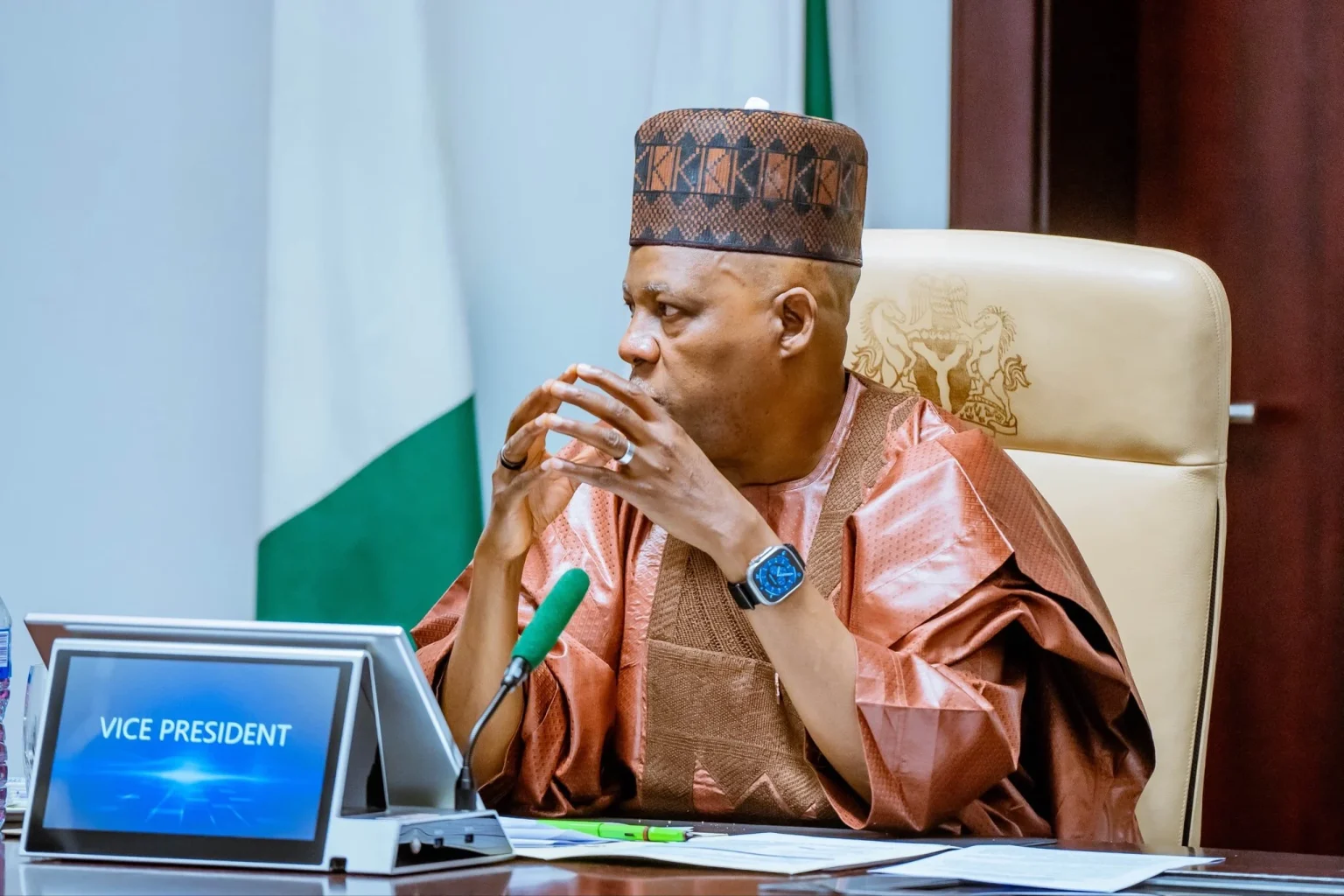
Shettima Presides Over NEC Meeting
Vice-President Kashim Shettima has presided over a National Economic Council meeting in Abuja, attended by governors and other government officials.
 News
News
2027 Elections: EU Raises Alarm Over AI-Generated Fake News
Concerns are mounting over AI-generated fake videos, cloned voices and fabricated election results ahead of Nigeria’s 2027 general elections.
 News
News
Imo Court Sets October 27 for Trial of Five Alleged NYSC Prospects’ Kidnappers
An Imo State High Court has scheduled further proceedings for October 27 in cases involving five suspects accused of kidnapping 20 prospective NYSC members and four other people.
 News
News
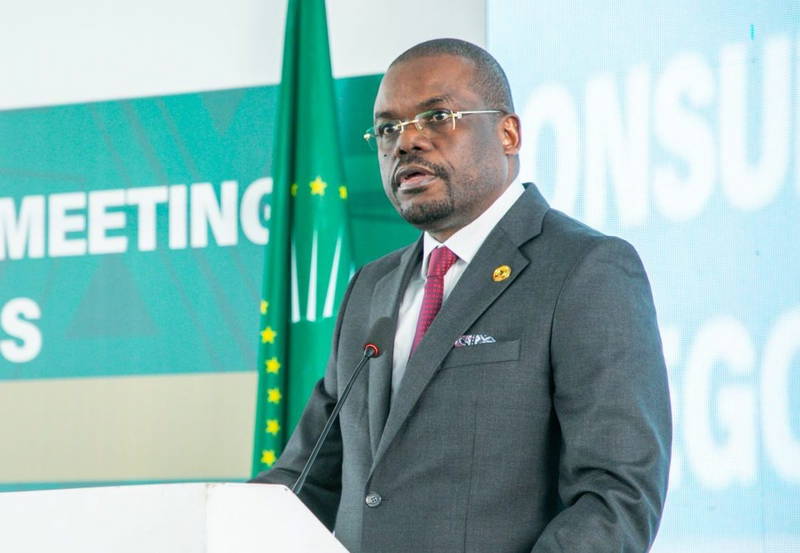
Why Africa Is Without Vaccine for Latest Ebola Strain — Africa CDC
Africa CDC says limited research funding, low commercial incentives and gaps in preparedness have delayed vaccine development for the Bundibugyo Ebola strain.
Comments (0)
Leave a comment
All comments are moderated before publishing. Your email is never published.