
FIFA's Compulsory Water Breaks Spark World Cup Controversy
FIFA requires a strict, uniform three-minute stoppage near the 22nd and 67th minutes of all 104 matches, regardless of actual weather conditions or if the venue is a climate-controlled indoor stadium.
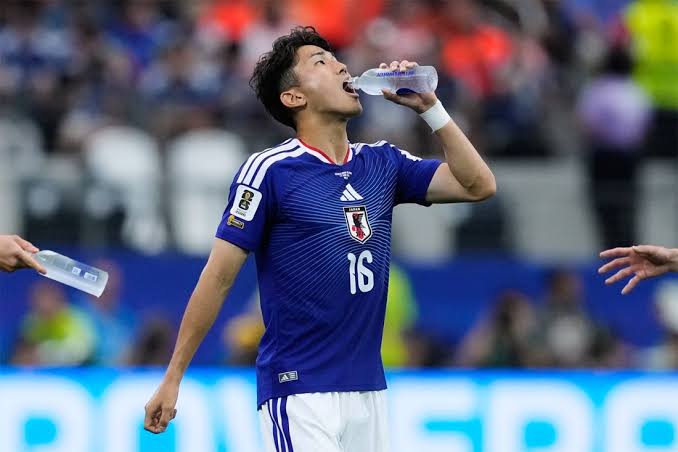
A major sporting row has broken out at the 2026 FIFA World Cup over the implementation of blanket, compulsory hydration breaks across the tournament.Originally introduced as a medical safety policy to protect player health from the North American summer heat, the directive has drawn heavy criticism from players, managers, and fans who accuse the governing body of prioritizing commercial advertising over the natural flow of the game.
Under the tournament guidelines, referees are required to halt play for three minutes near the 22nd minute of the first half and the 67th minute of the second half. Crucially, the rule is static; the pauses occur during all 104 matches, regardless of local weather conditions or whether a game is being hosted inside an air-conditioned, closed-roof stadium.
The strict protocol has drawn criticism from high-profile figures. United States manager Mauricio Pochettino and Netherlands captain Virgil van Dijk have questioned the logic of pausing games when conditions are mild, suggesting the breaks should be weather-dependent rather than scheduled automatically.
Coaches are adjusting to the pauses by turning them into tactical timeouts. Managers like Germany’s Julian Nagelsmann and Brazil’s staff have used the intervals to reorganize team shapes and disrupt opponent momentum. However, others are pushing back against the change. Uruguay manager Marcelo Bielsa criticized the rule, stating it has "no footballing sense" and splits the match into four distinct quarters, altering the traditional uninterrupted flow of the game.
Fans inside stadiums have expressed their frustration, booing during the stoppages at several high-profile matches.
The core of the public debate centers on the commercialization of the tournament. While FIFA maintains the policy stems from player-welfare lessons learned after extreme heat incidents, such as those reported by Argentina's Enzo Fernández during the previous summer's Club World Cup, the economic opportunities are apparent.
In major markets like the United States, broadcasters have used the three-minute gaps to run full-screen advertisements. With ad slots on networks like FOX reportedly commanding up to $750,000 for prime matches, critics argue the system mimics American franchise sports models. In contrast, UK broadcasters like the BBC and ITV have opted to keep their coverage live on the pitch during the breaks, avoiding commercial interruptions.
As the expanded 48-team tournament progresses, the debate between maintaining player stamina and preserving the traditional rhythm of football remains a central talking point.
Related stories
 Sports
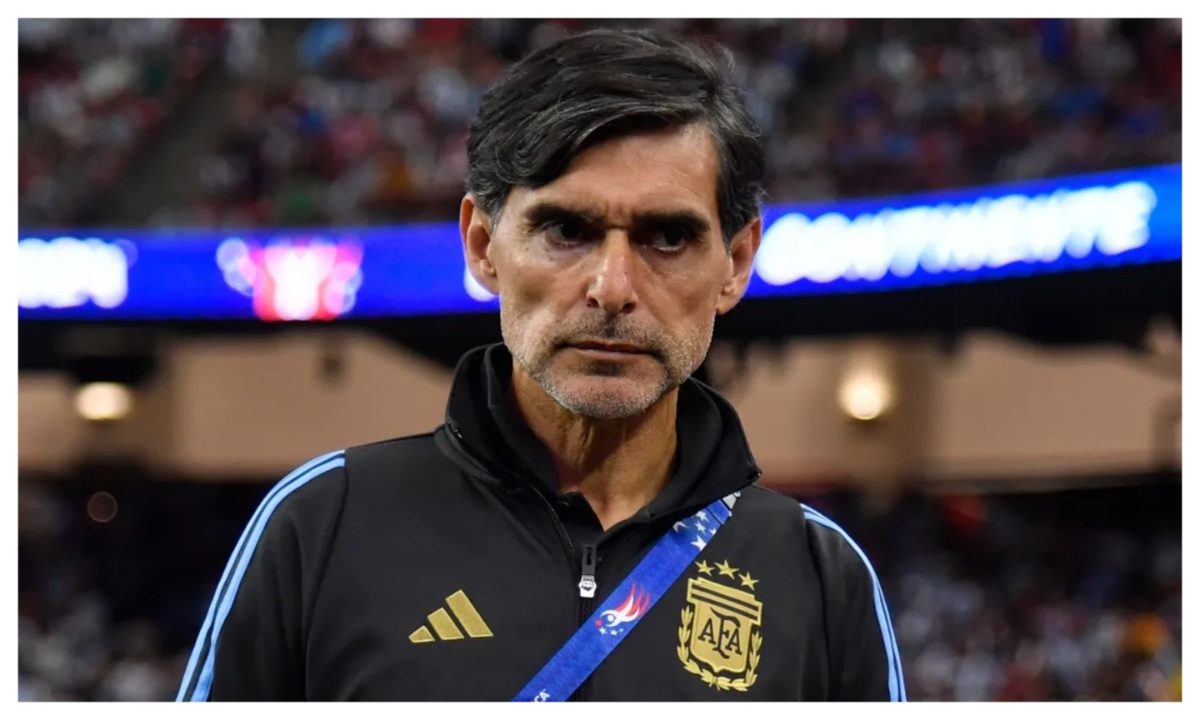
‘I Didn’t Punch Him’ – Argentina Coach Reveals What He Did to Spain’s Dani Olmo
Argentina assistant coach insists incident involved only a push and promises to personally apologise to Dani Olmo.
 Sports
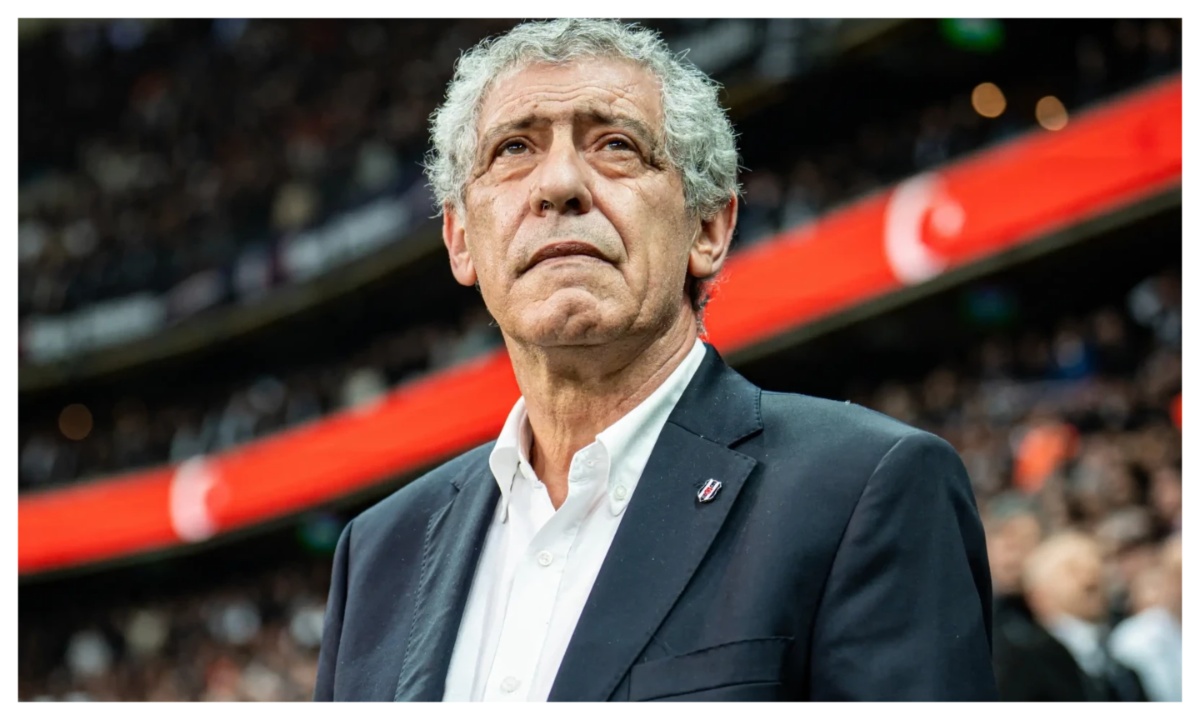
Santos Backs Real Madrid Signing of Bernardo Silva
Former Portugal coach says Bernardo Silva remains world-class and will make a major impact at Real Madrid.
 Sports
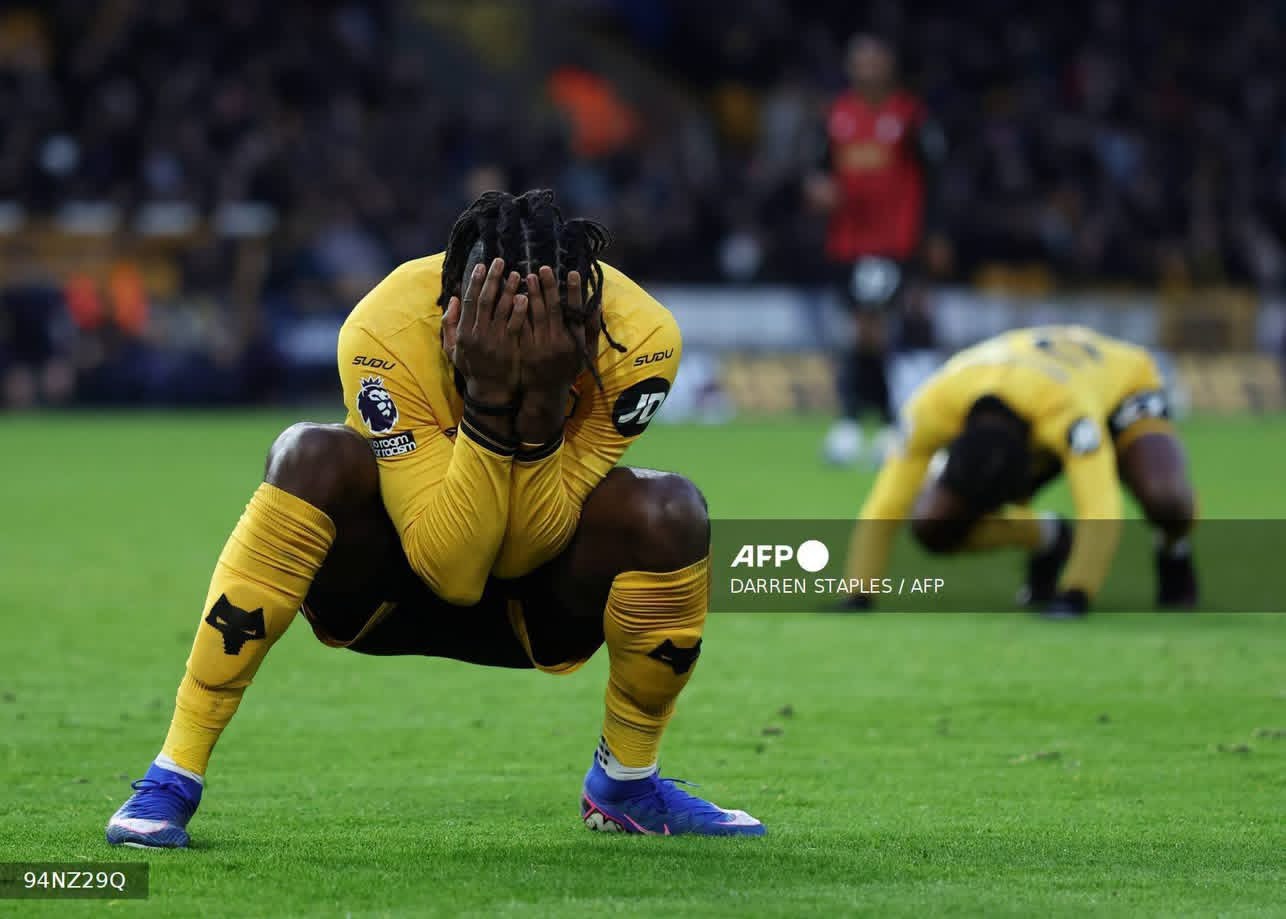
Arokodare Breaks Silence After Wolves Training Ground Protest
Super Eagles striker says protest aimed to honour contract and continue training professionally despite first-team exclusion.
 Sports
World Cup: Argentina Were Ordered to Lose Against Spain — Psychologist
Argentine psychologist alleges national team deliberately lost World Cup final, citing unusual tactics and players’ performances.
Comments (0)
Leave a comment
All comments are moderated before publishing. Your email is never published.