
Sowore Moves to Compel DSS DG, Onanuga to Testify in Cybercrime Trial
Sowore seeks court order compelling DSS Director-General and Bayo Onanuga to testify in ongoing cybercrime trial.
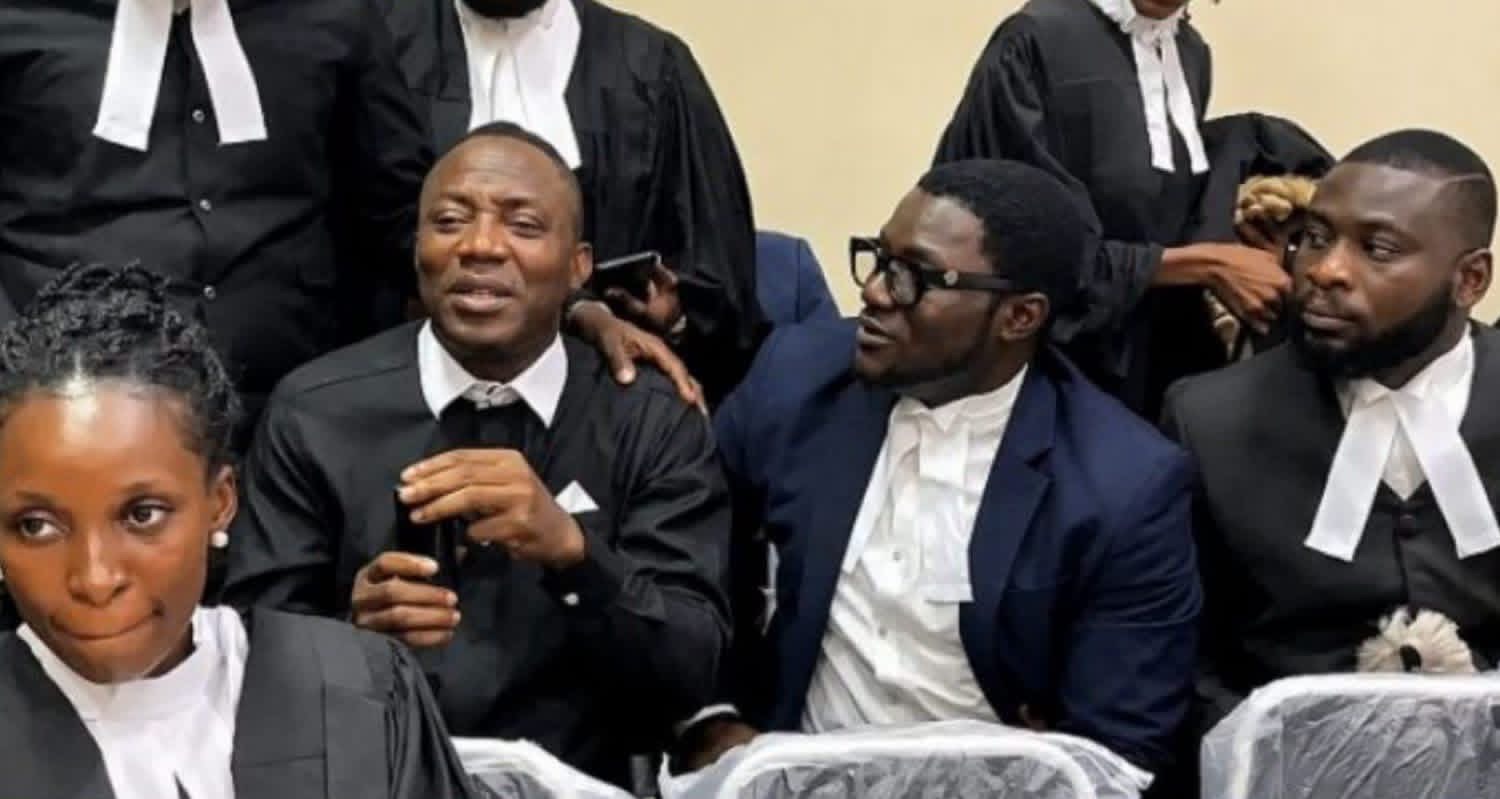
Human rights activist and publisher of Sahara Reporters, Omoyele Sowore, has asked a Federal High Court in Abuja for time to apply for subpoenas compelling the Director-General of the Department of State Services and the Special Adviser to the President on Information and Strategy, Bayo Onanuga, to testify in his ongoing trial over alleged criminal defamation and cybercrime-related charges.
At Wednesday’s proceedings, Sowore’s counsel, Adeyinka Olumide-Fusika, SAN, informed the court that he intended to seek a subpoena for the DSS Director-General after a defence witness, DSS official Uwem Davies, was unable to provide answers to several questions raised during cross-examination.
Olumide-Fusika also disclosed that although the defence had previously applied for a subpoena to compel Onanuga’s appearance, court bailiffs had been unable to serve the presidential aide.
Davies, who testified under subpoena, told the court that he authored a letter dated January 22 directing Sowore to delete social media posts concerning President Bola Tinubu. He explained that the directive was issued on the instruction of the DSS Director-General because the agency believed the posts could generate tension and threaten public peace.
However, the witness denied writing another letter dated September 7, 2025, addressed to Meta, the parent company of Facebook and Instagram. He stated that the letter was authored by B. Bamigboye, a retired DSS officer, and not by him.
The proceedings also featured arguments over the admissibility of documentary evidence presented by the defence.
The defence sought to tender an uncertified copy of a court document through Wayne Chikezie Elijah, a former member of Sowore’s legal team.
The prosecution objected, arguing that the document was neither the original nor a certified true copy and therefore failed to meet the requirements for admissibility under the law.
In his ruling, Justice Mohammed Umar upheld the prosecution’s objection, holding that the document could not be admitted because it had not been properly certified and could have been altered while in the custody of counsel.
The judge ruled that only original documents or certified true copies could be accepted as evidence in court.
Following the ruling, Justice Umar adjourned the matter until July 28, 2026, for the continuation of the defence case as the trial progresses.
Sponsored

Related stories
 News
News
Shoprite Set To Open Neighbourhood Stores After Shutdown
Shoprite Nigeria plans to open standalone neighbourhood stores after reopening three outlets, as investors pursue a strategy to cut costs and revive operations.
 News
News
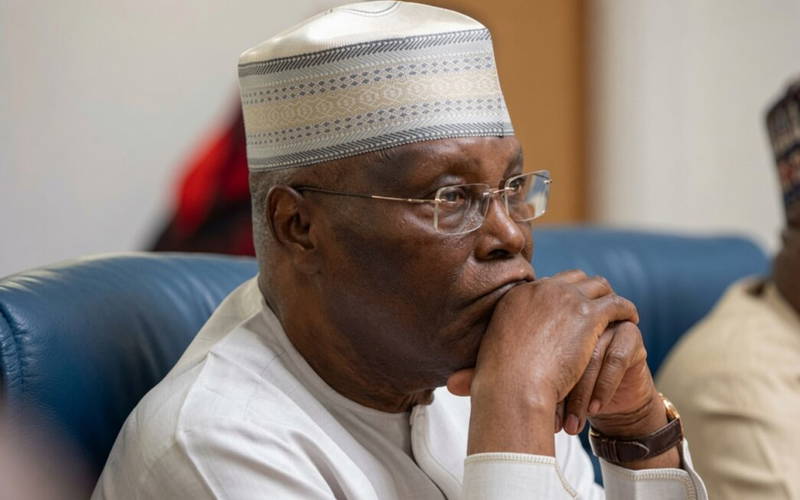
Blaming Opposition For Hunger Is ‘Delusion’ — Atiku Tells Tinubu
Atiku Abubakar has accused President Tinubu of evading responsibility for Nigeria’s economic hardship after blaming opposition politicians for hunger and poverty.
 News
News
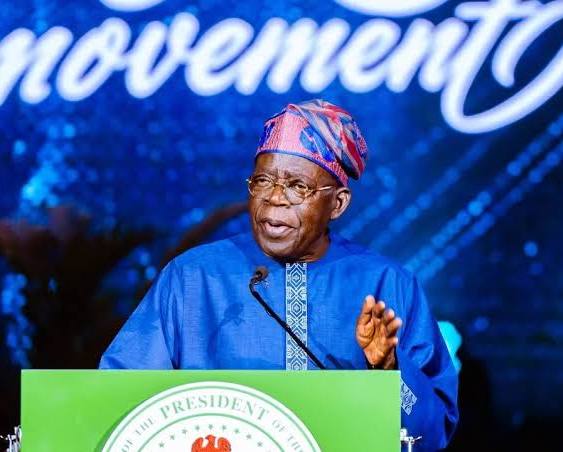
Tinubu Accuses Opposition of Creating Hunger, Poverty
President Bola Tinubu has accused opposition parties of creating the hunger and poverty they now criticise his administration over, insisting that his government is working to eradicate hardship and deliver economic prosperity.
 News
News
UNICEF, Sokoto Target One Million Children for Polio Vaccination
UNICEF and the Sokoto State Government are intensifying efforts to protect children against polio through vaccination, community mobilisation and public awareness, with emphasis on reaching every eligible child and addressing vaccine hesitancy.
Comments (0)
Leave a comment
All comments are moderated before publishing. Your email is never published.