
FG to Phase Out Power Sector Subsidy From 2027
The Federal Government says it will begin phasing out electricity subsidies from 2027 as part of efforts to establish a financially sustainable power sector. While cost-reflective tariffs will be introduced gradually, the government says targeted support will be provided to protect vulnerable Nigerians during the transition.
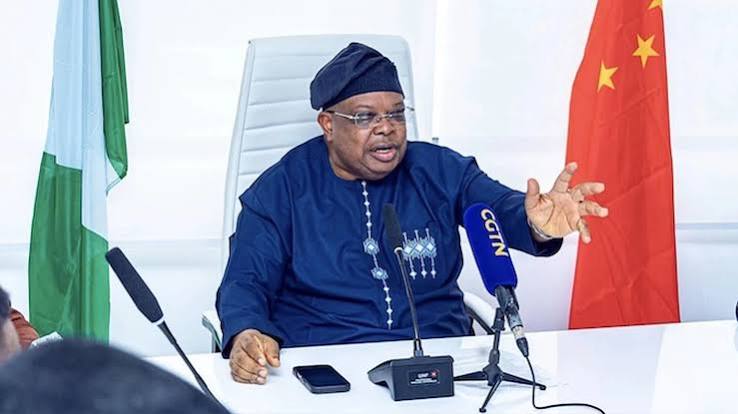
The Federal Government has reaffirmed its commitment to gradually phase out electricity subsidies from 2027 as part of broader reforms aimed at restoring the financial viability of Nigeria's power sector. The government said the transition to cost-reflective tariffs will be implemented in phases, with targeted support measures put in place to cushion the impact on poor and vulnerable households.
Speaking at a power sector stakeholders' event in Lagos, the Special Adviser to the President on Power Infrastructure, Sadiq Wanka, described electricity subsidies as financially unsustainable, noting that the current system has contributed to mounting debts and liquidity challenges across the industry. He said the reforms are designed to attract private investment, improve electricity supply and ensure operators receive adequate revenue to maintain and expand infrastructure.
Wanka acknowledged that introducing cost-reflective tariffs remains one of the most difficult aspects of the ongoing reforms but insisted that Nigeria cannot continue to rely on blanket subsidies indefinitely. According to him, the government intends to replace broad subsidies with targeted interventions that will protect low-income consumers while allowing the electricity market to operate more efficiently.
The planned phase-out forms part of the Tinubu administration's wider agenda to address longstanding structural problems in the electricity sector. Industry experts have repeatedly argued that below-cost tariffs discourage investment, weaken power generation and distribution companies, and contribute to persistent supply shortages. The government believes that a more sustainable pricing framework will improve service delivery and encourage infrastructure development.
Despite the planned reforms, concerns remain over the potential impact of higher electricity tariffs on households and businesses already grappling with rising living costs. The Federal Government, however, maintains that social protection measures and targeted subsidies will help minimise the burden on the most vulnerable consumers during the transition.
Sponsored

Related stories
 News
News
Shoprite Set To Open Neighbourhood Stores After Shutdown
Shoprite Nigeria plans to open standalone neighbourhood stores after reopening three outlets, as investors pursue a strategy to cut costs and revive operations.
 News
News
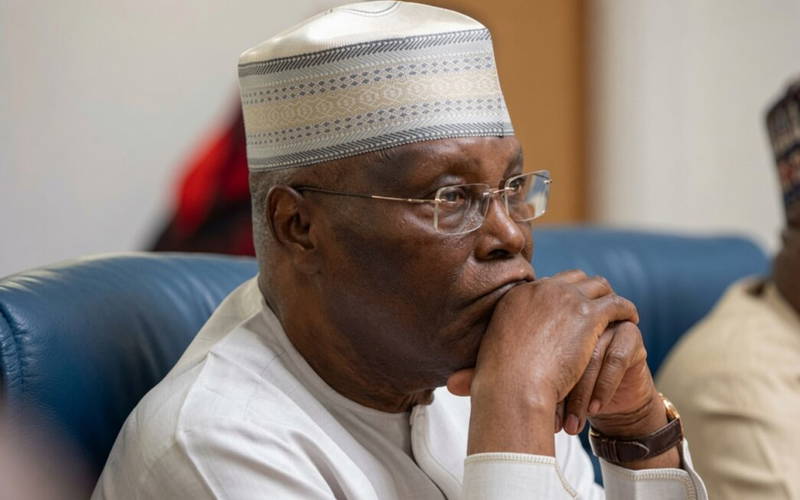
Blaming Opposition For Hunger Is ‘Delusion’ — Atiku Tells Tinubu
Atiku Abubakar has accused President Tinubu of evading responsibility for Nigeria’s economic hardship after blaming opposition politicians for hunger and poverty.
 News
News
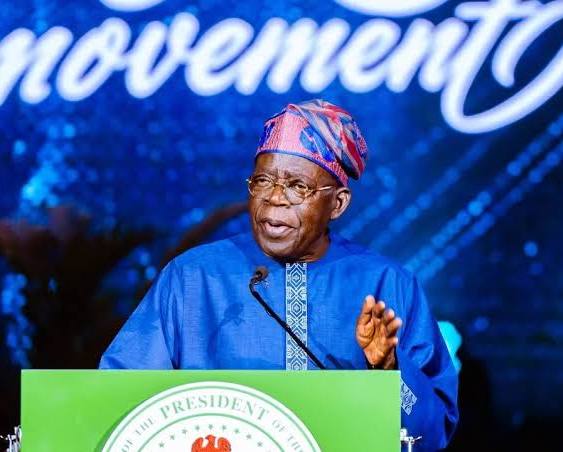
Tinubu Accuses Opposition of Creating Hunger, Poverty
President Bola Tinubu has accused opposition parties of creating the hunger and poverty they now criticise his administration over, insisting that his government is working to eradicate hardship and deliver economic prosperity.
 News
News
UNICEF, Sokoto Target One Million Children for Polio Vaccination
UNICEF and the Sokoto State Government are intensifying efforts to protect children against polio through vaccination, community mobilisation and public awareness, with emphasis on reaching every eligible child and addressing vaccine hesitancy.
Comments (0)
Leave a comment
All comments are moderated before publishing. Your email is never published.