
FG, Labour Disagree Over Fuel Subsidy Removal Savings
The Federal Government and organised labour have disagreed over the benefits of fuel subsidy removal, with officials saying the savings have largely been consumed by debt servicing and increased public spending, while labour insists Nigerians have yet to see meaningful improvements despite enduring economic hardship.

The Federal Government and organised labour have clashed over the utilisation of savings generated from the removal of fuel subsidy, with both sides offering conflicting accounts of the impact of the policy on Nigeria's economy. The disagreement comes amid growing public scrutiny over the benefits of the reforms introduced by the Tinubu administration in 2023.
Speaking at a public policy forum, the Minister of Finance and Coordinating Minister of the Economy, Wale Edun, said the anticipated financial windfall from fuel subsidy removal had largely been absorbed by rising debt servicing obligations, increased government spending and the cost of implementing measures to cushion the impact of the reforms on Nigerians. He argued that while the policy improved fiscal sustainability, it did not leave the government with surplus funds as widely assumed.
However, the Nigeria Labour Congress (NLC) and the Trade Union Congress (TUC) rejected the government's explanation, insisting that Nigerians have yet to see tangible benefits from the subsidy removal despite enduring higher fuel prices, inflation and increased transportation costs. Labour leaders questioned how the savings had been utilised and demanded greater transparency and accountability in the management of public funds.
The unions maintained that the hardship experienced by workers and ordinary citizens has continued to worsen since the subsidy was removed, arguing that promised investments in infrastructure, healthcare, education and social welfare have not been sufficiently reflected in the lives of Nigerians. They urged the Federal Government to publish a comprehensive account of the revenue generated and projects funded through the policy.
The Federal Government has defended the reforms as necessary to stabilise the economy, attract investment and reduce long-term fiscal pressures. Officials insist that while the transition has been difficult, the policy remains essential for sustainable economic growth and that the administration will continue implementing targeted interventions to cushion vulnerable households.
Sponsored

Related stories
 News
News
Shoprite Set To Open Neighbourhood Stores After Shutdown
Shoprite Nigeria plans to open standalone neighbourhood stores after reopening three outlets, as investors pursue a strategy to cut costs and revive operations.
 News
News
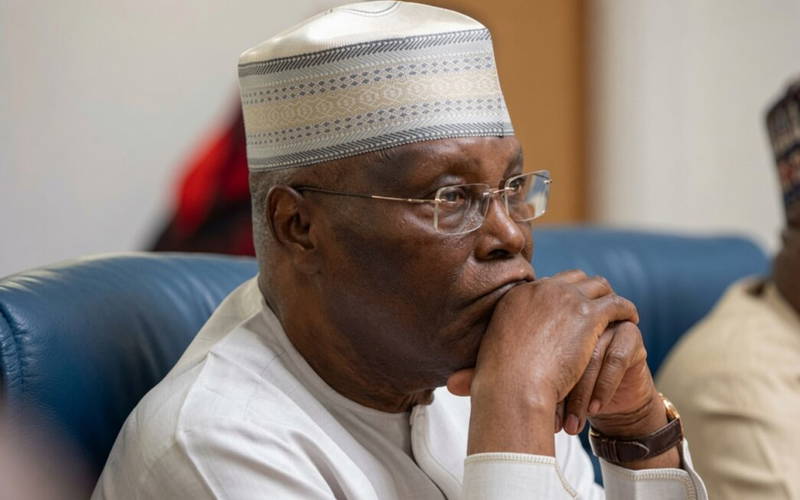
Blaming Opposition For Hunger Is ‘Delusion’ — Atiku Tells Tinubu
Atiku Abubakar has accused President Tinubu of evading responsibility for Nigeria’s economic hardship after blaming opposition politicians for hunger and poverty.
 News
News
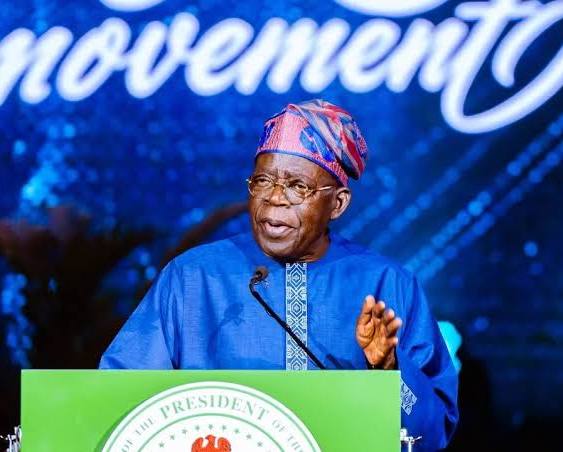
Tinubu Accuses Opposition of Creating Hunger, Poverty
President Bola Tinubu has accused opposition parties of creating the hunger and poverty they now criticise his administration over, insisting that his government is working to eradicate hardship and deliver economic prosperity.
 News
News
UNICEF, Sokoto Target One Million Children for Polio Vaccination
UNICEF and the Sokoto State Government are intensifying efforts to protect children against polio through vaccination, community mobilisation and public awareness, with emphasis on reaching every eligible child and addressing vaccine hesitancy.
Comments (0)
Leave a comment
All comments are moderated before publishing. Your email is never published.