
Ebola: FG Intensifies Border Screening, Orders Isolation for High-Risk Travellers
The Federal Government has strengthened Ebola surveillance at Nigeria’s borders, introducing strict screening, isolation, and referral measures for high-risk travellers amid concerns over outbreaks in parts of Africa.
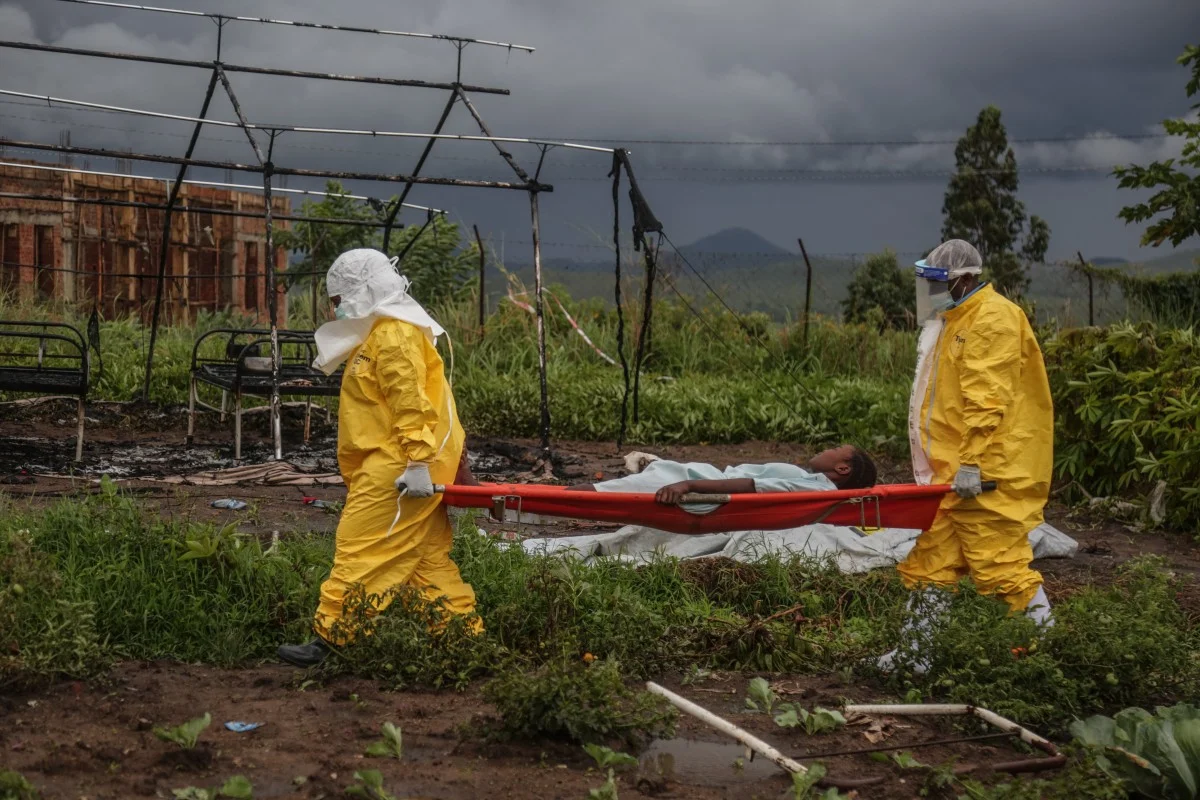
The Federal Government has intensified health surveillance at Nigeria’s airports, seaports, and land borders, directing that travellers identified as high-risk or showing symptoms consistent with Ebola and other viral haemorrhagic fevers undergo secondary screening, isolation, and referral for further medical evaluation.
The measure follows growing concern over the ongoing outbreak of the Bundibugyo strain of Ebola virus disease in parts of East and Central Africa. Authorities say the step is part of Nigeria’s national preparedness strategy to prevent importation of the disease.
In a statement issued on Tuesday by the Federal Ministry of Health and Social Welfare through its Assistant Director of Press and Public Relations, Ado Bako, the government reassured Nigerians that no confirmed case of Ebola has been recorded in the country.
“The Ministry wishes to reassure Nigerians that there is presently no confirmed case of Ebola Virus Disease in Nigeria,” the statement said, while noting that enhanced preparedness measures have already been activated nationwide.
According to the ministry, border health officials have been instructed to strengthen screening procedures using temperature checks, health declaration forms, travel history assessments, and risk profiling for all incoming passengers.
Travellers flagged during initial checks will undergo secondary screening, while suspected cases are to be isolated and referred to designated health facilities for further investigation and management.
The ministry also confirmed the activation of enhanced Integrated Disease Surveillance and Response (IDSR) systems across the country, alongside community-based surveillance networks designed to detect early warning signs of potential outbreaks.
In addition, Public Health Emergency Operations Centres have been activated, with Rapid Response Teams placed on standby at both national and sub-national levels to respond swiftly to any suspected cases.
Healthcare facilities have been directed to maintain a high level of alert, strengthen infection prevention and control measures, and ensure immediate isolation and reporting of suspected cases of viral haemorrhagic fevers.
The government urged citizens to remain calm, stressing that the measures are preventive rather than reactive. It also advised Nigerians to maintain proper hygiene, avoid contact with bodily fluids of symptomatic individuals, and refrain from handling bushmeat or dead animals from unknown sources.
Nigeria previously contained an Ebola outbreak in 2014 after coordinated contact tracing and emergency response efforts limited the spread to 20 confirmed cases and eight deaths, earning global recognition for its public health response.
Sponsored
Related stories
 News
News
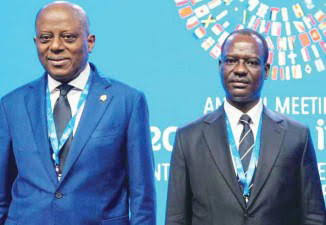
IMF Says Nigerians Still Face High Living Costs Despite Economic Growth
The International Monetary Fund has urged the Federal Government to introduce targeted cash transfers and temporary income support for vulnerable households as food and energy costs continue to strain Nigerians despite improved economic growth.
 News
News
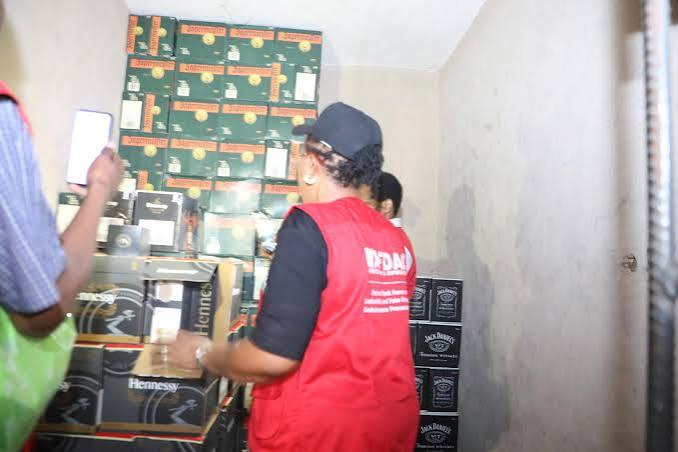
NAFDAC Arrests Two over Suspected Fake Drinks Operation in Lagos
NAFDAC has arrested two suspects at a facility in Lagos’ Trade Fair Complex over the alleged revalidation and repackaging of expired energy drinks, wines and whisky, warning of the health risks posed by counterfeit beverages.
 News
News
LCCI Proposes 20% Petrol Price Cut Within Six Months
The Lagos Chamber of Commerce and Industry has urged the Federal Government to introduce a six-month programme targeting a 15 to 20 per cent reduction in petrol pump prices to ease rising energy, transport and operating costs.
 News
News
Nigeria’s Private Capital Inflows Rise to $6bn as Reforms Gather Pace
World Bank Group President Ajay Banga says Nigeria’s private capital inflows have risen from about $300 million in 2023 to nearly $6 billion in 2026, while the Federal Government reports an increase in the tax-to-GDP ratio to 12.5 per cent.
Comments (0)
Leave a comment
All comments are moderated before publishing. Your email is never published.