
Ebola Can Be Mistaken for Malaria — Medical Expert
Ebola Can Be Mistaken for Malaria — Medical Expert
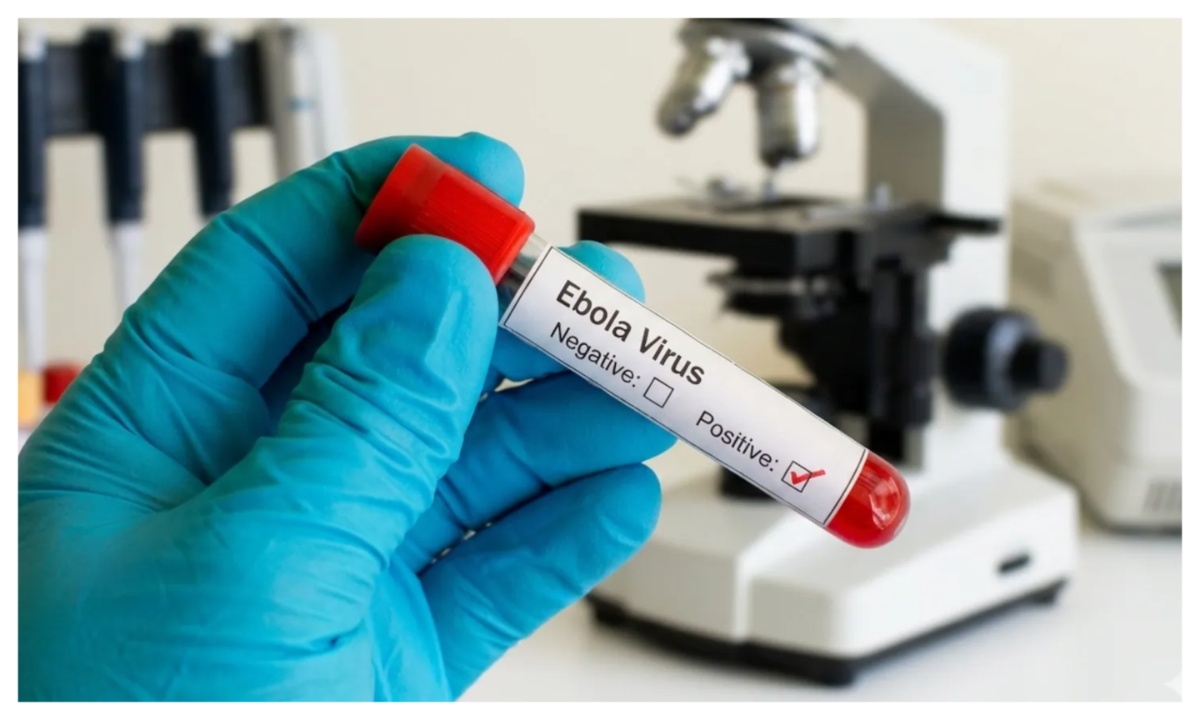
Health expert, Dr. Abdullahi Nasiru, has warned Nigerians that early symptoms of Ebola Virus Disease (EVD) can closely resemble malaria, urging residents to seek proper medical attention rather than self-medication.
Speaking in Abuja on Monday, Dr. Nasiru explained that initial signs of Ebola—such as fever, headache, weakness, muscle pain, and fatigue—are similar to symptoms commonly associated with malaria, making early detection difficult.
He noted that many Nigerians tend to assume every fever-related illness is malaria, a habit he described as dangerous.
“Ebola symptoms can mimic malaria at the early stage. Fever, body weakness, headache and vomiting are signs many people ignore or treat casually at home,” he said.
Dr. Nasiru advised the public to visit a health facility immediately if symptoms persist or worsen, stressing that early detection and treatment are critical in controlling infectious diseases.
He also called on health authorities to intensify public awareness campaigns, particularly in rural communities, to reduce panic and misinformation during outbreaks.
The medical expert urged residents to maintain proper hygiene, avoid contact with infected persons, and promptly report suspected cases to health officials.
Sponsored

Related stories
 Health
Diri Orders Free Quarterly Health Checks for All Bayelsa Residents at Secondary Facilities
Governor Douye Diri has directed Bayelsa's Ministry of Health to begin free quarterly medical check-ups across all eight local government areas, aimed at helping residents who cannot afford routine screening and promoting early detection of diseases.
 Health
‘Priceless Gift of Sight’ Reaches 400,000 Beneficiaries
FCMB and the Tulsi Chanrai Foundation say their 15-year eye care partnership has reached over 400,000 Nigerians, as a World Sight Day roundtable in Abuja pushes for private-sector funding to sustain and expand care.
 Health
FUNAAB Launches Africa’s First AI Disease Surveillance System
Researchers at the Federal University of Agriculture, Abeokuta, have developed IDS-Master, a groundbreaking AI-powered surveillance system that detects infectious disease outbreaks in real time by analysing reports from community leaders, health agents, and ordinary residents. Described as Africa's first fully AI-driven event-based surveillance platform, the innovation promises to bridge critical gaps in outbreak detection across underserved rural communities where delays in reporting can cost l
 Health
NAFDAC Seeks Global Partners for Local Vaccine Production
The Director-General of the National Agency for Food and Drug Administration and Control (NAFDAC), Prof. Mojisola Adeyeye, has called on international partners to support the establishment of vaccine manufacturing facilities in Nigeria, saying local production is the missing link in the agency’s push to attain World Health Organisation Maturity Level 4 for vaccine lot release. She spoke at the 8th Nigeria Pharma Manufacturers’ Expo in Lagos, where she commended President Bola Tinubu’s Executive
Comments (0)
Leave a comment
All comments are moderated before publishing. Your email is never published.