
20–30% of Katsina Diphtheria Patients May Die, State’s NMA Chair Warns
The NMA Katsina chair, Dr Mohammed Abubakar, says two to three of every 10 diphtheria patients admitted to Federal Teaching Hospital Katsina may die, as the state records over 1,000 suspected cases across 29 LGAs amid antitoxin shortages.
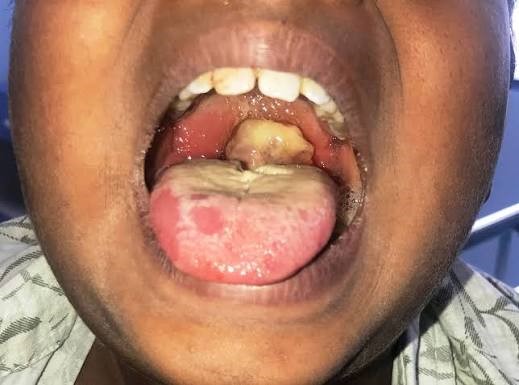
The NMA Katsina chair, Dr Mohammed Abubakar, says two to three of every 10 diphtheria patients admitted to Federal Teaching Hospital Katsina may die, as the state records over 1,000 suspected cases across 29 LGAs amid antitoxin shortages.
Two to three out of every 10 diphtheria patients admitted to the Federal Teaching Hospital Katsina (FTH Katsina) may die from the disease, the Nigerian Medical Association (NMA) has warned.
The chairman of the NMA, Katsina State branch, and Consultant in Infectious Diseases and Tropical Medicine at FTH Katsina, Dr Mohammed Abubakar, gave the warning while speaking on the ongoing outbreak, saying the hospital was under sustained pressure from rising cases, particularly among children.
He said 70 to 80 per cent of the hospital’s isolation centre was occupied by diphtheria patients, with about 20 of its estimated 20 to 25 beds occupied at the time of the interview.
According to him, between 80 and 90 per cent of the patients are children, while the hospital is receiving an average of 20 to 25 admissions, sometimes rising to about 50 cases a week.
“Out of 10 patients admitted, you may see two or three patients dying from diphtheria,” Abubakar said.
He attributed the high mortality partly to shortages of diphtheria antitoxin, a critical medicine used to neutralise toxins produced by the bacteria. He said the antitoxin had been unavailable for months before a limited supply recently arrived through government and donor interventions.
“It’s not only about giving antibiotics. The diphtheria antitoxin works faster to stop the toxin from causing more damage,” he explained.
Abubakar said FTH Katsina had been operating at full capacity for about a month, with the isolation centre becoming completely occupied about a week earlier, forcing health workers to make contingency arrangements in the emergency and paediatric units.
During a visit to the Murja Isolation Centre, several children were seen with their parents occupying available beds and seats, many with swollen throats and crying. A staff member said the facility was overwhelmed, with more than 40 patients on admission at the main ward serving as the isolation centre, while the Murja building was being used temporarily to receive new cases.
Abubakar said most patients arriving at FTH Katsina were referrals from primary and secondary healthcare facilities and often presented with advanced disease or complications.
He identified gaps in routine immunisation as a major factor behind the resurgence and urged the government to intensify vaccination, community sensitisation and the supply of essential medicines. He also called for three to five additional functional isolation centres across the state to reduce pressure on FTH Katsina.
He appealed for sustained supplies of diphtheria antitoxin, antibiotics, intravenous fluids, personal protective equipment and other essential materials, and urged parents to seek immediate medical attention for children with persistent sore throat, fever, difficulty swallowing or excessive salivation.
Meanwhile, the Katsina State Government has secured an additional 650,000 doses of diphtheria vaccines as part of efforts to contain the outbreak.
The Acting Executive Secretary of the Katsina State Primary Health Care Development Agency, Shima’u Kabir, disclosed that more than 1,000 suspected cases had been recorded in 29 local government areas, with about five per cent of the suspected cases resulting in deaths.
Funtua recorded the highest burden, followed by Bakori, Kankia, Katsina, Mani and Daura.
Reactive vaccination commenced on August 25 in five high-risk LGAs — Bakori, Charanchi, Funtua, Mani and Kankia — with support from the NPHCDA and logistics provided by UNICEF.
“By day three of the exercise, 67,670 eligible persons had received the Td vaccine, while 24,103 children had received the pentavalent vaccine across the five implementing LGAs,” she said.
The state has also established three additional isolation centres at MCHC Kanti in Daura, General Hospital Funtua and General Amadi Rimi Orthopaedic Hospital.
Kabir identified inadequate vaccination uptake and late presentation at health facilities as major challenges, as well as the state’s porous international border with Niger Republic, which requires sustained surveillance.
In neighbouring Kano State, the government has decentralised diphtheria treatment to 26 health facilities to reduce delays in accessing care.
The Director-General of the Kano State Centre for Disease Control, Prof Muhammad Abbas, said the move was necessary because patients from communities far from Kano metropolis often travelled long distances to access specialised treatment at the Infectious Diseases Hospital.
The 26 facilities comprise 13 secondary and 13 primary healthcare centres, although treatment is now concentrated mainly in secondary facilities because of their capacity to provide specialised care.
Abbas disclosed that Kano recorded more than 39,000 suspected diphtheria cases between December 2022 and the previous Sunday, of which more than 32,000 were confirmed, with more than 1,800 deaths during the period.
He said the state had nevertheless significantly reduced its disease burden from its peak, when Kano accounted for more than 85 per cent of national cases. He identified low vaccination coverage as a major factor driving transmission, noting that more than 16,000 confirmed cases involved children who had never received any vaccination.
Abbas also dismissed reports that more than 50 children had died from diphtheria in Rano Local Government Area, saying the state’s surveillance system had not recorded such a figure.
With Katsina battling a fresh surge and Kano maintaining surveillance after a prolonged outbreak, health authorities have stressed the importance of vaccination, early presentation and timely treatment in preventing avoidable deaths.
Sponsored

Related stories
 Health
Diri Orders Free Quarterly Health Checks for All Bayelsa Residents at Secondary Facilities
Governor Douye Diri has directed Bayelsa's Ministry of Health to begin free quarterly medical check-ups across all eight local government areas, aimed at helping residents who cannot afford routine screening and promoting early detection of diseases.
 Health
‘Priceless Gift of Sight’ Reaches 400,000 Beneficiaries
FCMB and the Tulsi Chanrai Foundation say their 15-year eye care partnership has reached over 400,000 Nigerians, as a World Sight Day roundtable in Abuja pushes for private-sector funding to sustain and expand care.
 Health
FUNAAB Launches Africa’s First AI Disease Surveillance System
Researchers at the Federal University of Agriculture, Abeokuta, have developed IDS-Master, a groundbreaking AI-powered surveillance system that detects infectious disease outbreaks in real time by analysing reports from community leaders, health agents, and ordinary residents. Described as Africa's first fully AI-driven event-based surveillance platform, the innovation promises to bridge critical gaps in outbreak detection across underserved rural communities where delays in reporting can cost l
 Health
NAFDAC Seeks Global Partners for Local Vaccine Production
The Director-General of the National Agency for Food and Drug Administration and Control (NAFDAC), Prof. Mojisola Adeyeye, has called on international partners to support the establishment of vaccine manufacturing facilities in Nigeria, saying local production is the missing link in the agency’s push to attain World Health Organisation Maturity Level 4 for vaccine lot release. She spoke at the 8th Nigeria Pharma Manufacturers’ Expo in Lagos, where she commended President Bola Tinubu’s Executive
Comments (0)
Leave a comment
All comments are moderated before publishing. Your email is never published.