
DR Congo Ebola Toll Hits 2,011, Nears Record as WHO Says Most Cases Going Undetected
The death toll from DR Congo's 17th Ebola outbreak has climbed to 2,011, with a 45.9% fatality rate, as WHO officials warn only about 30% of infections are being detected and a full-scale trial of an existing vaccine is now being planned.
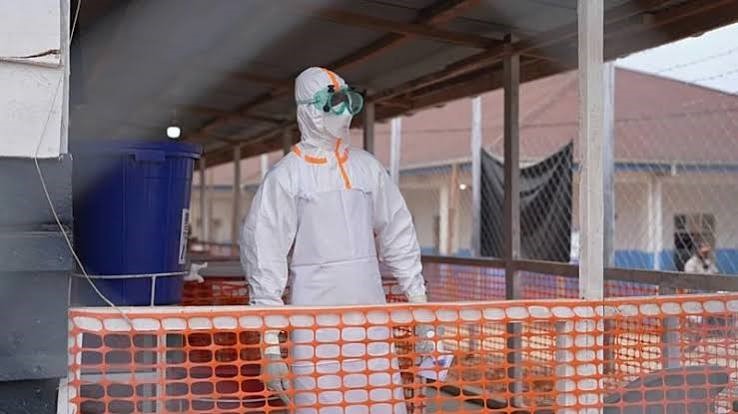
The death toll from the latest Ebola outbreak in the Democratic Republic of Congo (DRC) has risen to 2,011, health authorities said on Tuesday, bringing the epidemic close to becoming the country's deadliest recorded outbreak of the disease.
According to authorities, 4,381 confirmed cases of the virus have been recorded since the outbreak was officially declared on May 15, putting the case fatality rate at 45.9 per cent, a strikingly high figure even by the standards of past Ebola outbreaks in the region.
The current epidemic marks the DRC's 17th Ebola outbreak since the disease was first identified in the country, and began in the northeastern province of Ituri before spreading further to other provinces, including North Kivu. Response efforts have been significantly complicated by the security situation in the affected areas, where the presence of armed groups, weak healthcare infrastructure, and distrust among some local communities toward health authorities have made containment efforts especially difficult.
The scale of the outbreak has raised serious alarm among both national health authorities and international health partners. Sania Nishtar, Chief Executive of the Gavi vaccine alliance, described the ongoing outbreak as already the largest in the DRC's history, warning that it could ultimately surpass all previous outbreaks recorded in the country if containment efforts do not succeed. The current death toll is fast approaching the roughly 2,300 deaths recorded during the DRC's devastating 2018-2020 Ebola outbreak, which registered approximately 3,500 confirmed cases over that period.
Congolese Health Minister, Samuel Roger Kamba, acknowledged in a recent interview shared by his ministry that the outbreak had not yet reached its peak, indicating that health authorities expect case numbers to continue climbing in the near term. Despite that sobering assessment, Kamba expressed cautious confidence that the spread of the disease could be brought under control within the coming months, projecting that authorities expect to see the outbreak's trajectory begin to decline within roughly three months.
Complicating the response further is growing concern that the official case figures may significantly understate the true scale of the outbreak. Mohamed Yakub Janabi, the World Health Organisation's Regional Director for Africa, said health authorities are currently detecting only a fraction of actual infections. Speaking to reporters in Bunia, the capital of Ituri Province, Janabi explained that authorities are seeing only about 30 per cent of infected individuals, with many others believed to be dying at home without ever being formally recorded or treated, a pattern he said sets this particular outbreak apart from previous ones.
The response effort has also drawn sharp criticism from within the scientific community. Renowned Congolese virologist Jean-Jacques Muyembe, who was among the scientists involved in the original discovery of the Ebola virus in 1976, described the current national response as slow and ineffective, attributing the shortcomings specifically to weaknesses in the coordination of containment efforts at the national level.
Amid the mounting toll, international health experts are now moving to test whether an existing, already-approved Ebola vaccine could offer meaningful protection against the specific viral strain driving the current outbreak. World Health Organisation vaccine experts recommended on Friday that a full-scale human trial be conducted for Ervebo, a vaccine already proven effective against the more commonly encountered Zaire strain of the Ebola virus. Researchers are now examining whether Ervebo could offer cross-protection against the Bundibugyo strain responsible for the current DRC outbreak, a strain for which no specific, dedicated vaccine currently exists.
According to WHO experts, preliminary evidence gathered so far, including findings from animal studies, suggests that Ervebo may indeed offer some degree of protection against the Bundibugyo strain, lending cautious optimism to the planned trials. Gavi has confirmed that it holds approximately 500,000 doses of Ervebo within its global vaccine stockpile, with doses earmarked for the planned trials already having been delivered to the DRC. Beyond Ervebo, two additional vaccine candidates specifically targeting the Bundibugyo strain are currently undergoing early-stage human trials, while a further candidate remains in earlier stages of development.
Ebola spreads primarily through direct contact with the bodily fluids of infected individuals and can cause severe haemorrhagic fever, a condition marked by high fever, internal and external bleeding, and, in many cases, rapid deterioration and death without prompt medical intervention. Across the African continent, the disease has claimed more than 15,000 lives over the past five decades, underscoring the persistent and deadly threat the virus continues to pose, particularly in Central African nations with weaker healthcare infrastructure and ongoing security challenges that hamper effective outbreak response.
As the DRC's latest outbreak continues to unfold, health authorities and international partners face a narrowing window to bring the epidemic under control before it potentially surpasses the country's previous deadliest Ebola outbreak, with the coming months expected to prove decisive in determining whether current containment and vaccination strategies succeed in curbing the disease's spread.
Sponsored
Related stories
 Health
Diri Orders Free Quarterly Health Checks for All Bayelsa Residents at Secondary Facilities
Governor Douye Diri has directed Bayelsa's Ministry of Health to begin free quarterly medical check-ups across all eight local government areas, aimed at helping residents who cannot afford routine screening and promoting early detection of diseases.
 Health
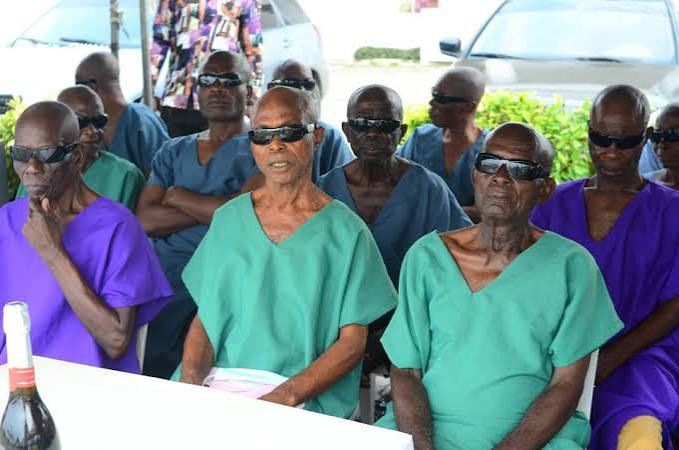
‘Priceless Gift of Sight’ Reaches 400,000 Beneficiaries
FCMB and the Tulsi Chanrai Foundation say their 15-year eye care partnership has reached over 400,000 Nigerians, as a World Sight Day roundtable in Abuja pushes for private-sector funding to sustain and expand care.
 Health
FUNAAB Launches Africa’s First AI Disease Surveillance System
Researchers at the Federal University of Agriculture, Abeokuta, have developed IDS-Master, a groundbreaking AI-powered surveillance system that detects infectious disease outbreaks in real time by analysing reports from community leaders, health agents, and ordinary residents. Described as Africa's first fully AI-driven event-based surveillance platform, the innovation promises to bridge critical gaps in outbreak detection across underserved rural communities where delays in reporting can cost l
 Health
NAFDAC Seeks Global Partners for Local Vaccine Production
The Director-General of the National Agency for Food and Drug Administration and Control (NAFDAC), Prof. Mojisola Adeyeye, has called on international partners to support the establishment of vaccine manufacturing facilities in Nigeria, saying local production is the missing link in the agency’s push to attain World Health Organisation Maturity Level 4 for vaccine lot release. She spoke at the 8th Nigeria Pharma Manufacturers’ Expo in Lagos, where she commended President Bola Tinubu’s Executive
Comments (0)
Leave a comment
All comments are moderated before publishing. Your email is never published.