
Civilian Casualty Claims Undermine Air Operations Legitimacy, CAS Warns
Air Marshal Sunday Aneke says allegations of civilian casualties during military operations threaten mission legitimacy, public trust, and the Air Force’s reputation, urging stronger civilian protection measures.
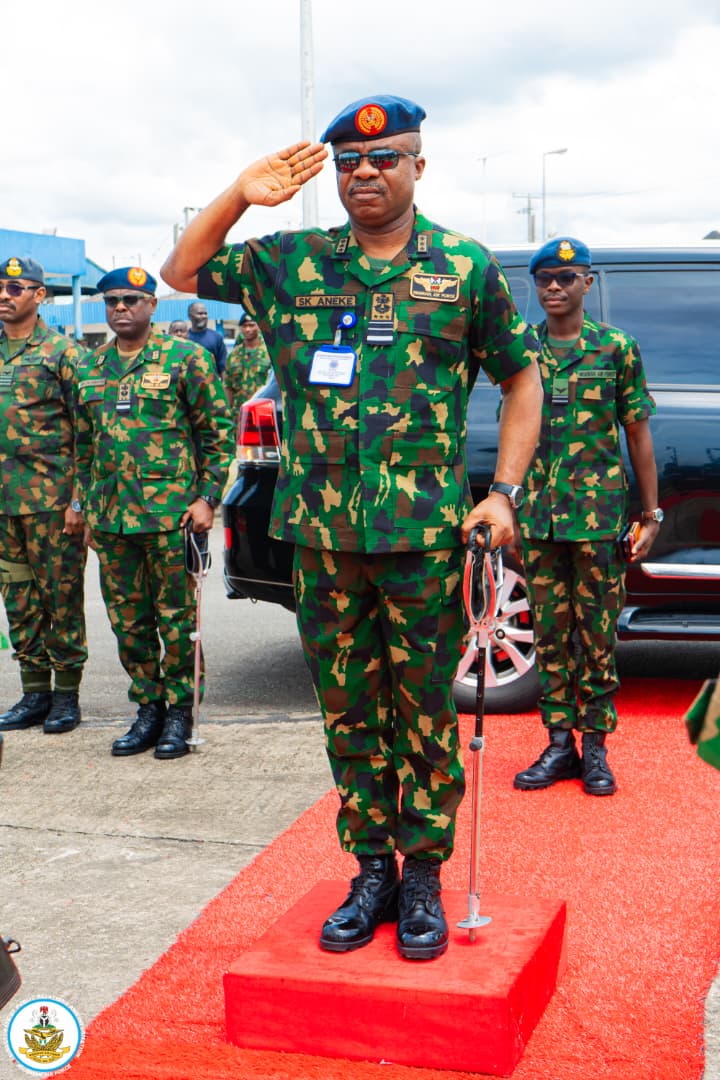
The Chief of the Air Staff, Sunday Aneke, has warned that allegations of civilian casualties arising from military air operations could undermine the legitimacy of security missions, weaken public confidence, and damage the reputation of the Nigerian Air Force.
Aneke made the remarks on Tuesday in Abuja during the maiden seminar on Civilian Harm Mitigation and Response for Strategic Level Officers.
According to the Air Chief, allegations linked to some past military operations have highlighted the need for stronger institutional understanding and implementation of civilian protection principles, particularly in the areas of transparency, accountability, and continuous operational assessment.
He noted that whether such incidents are verified or merely alleged, they often carry significant consequences for military operations and relationships with both domestic and international stakeholders.
Aneke stressed that operational success in modern warfare should not be measured solely by battlefield achievements but also by the extent to which civilian lives and property are protected during security operations.
He explained that as security forces continue to confront complex and asymmetric threats across different theatres of operation, safeguarding civilians has become an essential component of effective military strategy.
The Air Chief said maintaining public trust remains critical to achieving long-term success in military campaigns and disclosed that the Nigerian Air Force has taken deliberate steps to institutionalise civilian harm mitigation and response mechanisms.
According to him, the seminar was designed to strengthen the understanding of senior officers whose decisions influence operational effectiveness and shape public perceptions of the military.
Aneke emphasised that civilian harm mitigation should not be viewed as a restriction on military operations but as a framework that enhances precision, improves decision-making, and strengthens strategic legitimacy.
He stated that military personnel must sharpen their planning processes before operations, improve situational awareness during missions, and maintain accountability after operations have been completed.
The Air Chief also urged commanders to strengthen target verification procedures, carefully assess operational outcomes, and learn from every mission, particularly where operations fail to achieve intended objectives.
He maintained that where civilian harm occurs, the military’s response must reflect professionalism, honesty, and responsibility.
Aneke expressed confidence that the seminar would encourage deeper discussions on practical approaches to reducing civilian harm while maintaining operational effectiveness in ongoing security operations across Nigeria.
The Nigerian military has faced criticism in recent years over reports of civilian casualties during some counterinsurgency air operations, particularly in parts of the North-East and North-West. While military authorities have often attributed such incidents to faulty intelligence, mistaken identity, or the complexities of fighting insurgents embedded within civilian populations, rights groups and affected communities have repeatedly called for stronger accountability measures and improved protection for non-combatants.
The Nigerian Air Force has subsequently introduced several initiatives aimed at enhancing civilian protection standards and improving transparency in the conduct of military operations.
Sponsored

Related stories
 News
News
Police Arrest Three Suspects over Drug Possession, Child Defilement in Bauchi
Bauchi Police have arrested two men over suspected Indian hemp possession and a 20-year-old man over the alleged defilement of a seven-year-old girl in Dass.
 News
News
Oyo Government Denies Diphtheria Outbreak Claims, Says No Cases Confirmed
The Oyo State Government says no diphtheria cases have been confirmed, dismissing claims by an APC campaign organisation while outlining measures to manage suspected cases.
 News
News
Haitian-Canadian Novelist Denies Using AI to Write Debut Novel
Haitian-Canadian author Thélyson Orélien has denied using artificial intelligence to write his acclaimed debut novel, while admitting to past plagiarism and describing the controversy surrounding his work as deeply distressing.
 News
News
Fubara Commends IGP Disu for Neutrality During Rivers Crisis
Rivers State Governor Siminalayi Fubara has commended the Inspector-General of Police, Mr Olatunji Disu, for maintaining neutrality and professionalism while serving as Commissioner of Police in the state during its political crisis.
Comments (0)
Leave a comment
All comments are moderated before publishing. Your email is never published.