
Cancer Expert Warns Against Random Eating, Drinking
Cancer Expert Warns Against Random Eating, Drinking

A food scientist in Akwa Ibom State, Mrs. Idara Emmanuel Okon, has cautioned Nigerians against consuming random and unregulated food and drinks, warning that unhealthy eating habits may increase the risk of cancer and other diseases.
She gave the warning at the 2026 graduation ceremony of Batch ‘A’ students of IDYJAY Kitchen Culinary School in Uyo over the weekend.
According to her, many cancer-related illnesses reported in Nigeria are linked to the consumption of unhealthy food and drinks.
“I am urging Nigerians and indeed the general public to try as much as possible not to eat food randomly, even water, because what you take in will either make or destroy you,” she said.
Okon added that rising cases of cancers such as those affecting the head, lungs, and eyes are partly influenced by poor dietary choices.
She warned that consuming unhealthy food or drinks could worsen health conditions and expose individuals to serious illnesses.
“If you eat unhealthy foods or drink unhealthy drinks, you will end up fast-forwarding your death by having a whole lot of health issues as a result of destroying your system,” she said.
The food scientist also stressed that maintaining a healthy diet is more cost-effective than treating illnesses in hospitals.
“It is not actually costly to eat healthy food or drink healthy drinks, but it is even more costly to be in the hospital treating one ailment or another,” she added.
Mrs. Okon, who is also the Managing Director of IDYJAY Kitchen Culinary School, said the institution was established not only to train entrepreneurs but also to promote food safety and healthy consumption practices.
She noted that students are trained in food safety, food hazards, food presentation, and quality standards to ensure they can produce safe and nutritious meals.
“In this field, certificates do not really count; it is what you can do practically when you graduate that matters,” she said.
Sponsored
Related stories
 Health
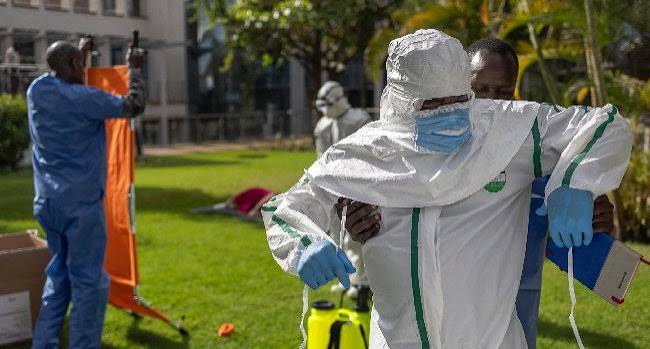
Ebola: NCDC Identifies 62 Contacts, Extends Monitoring to November 13
The Nigeria Centre for Disease Control and Prevention has identified 62 individuals who had contact with confirmed Ebola cases and is monitoring them until November 13, 2026. With two healthcare workers among the confirmed cases and the Democratic Republic of Congo's outbreak continuing to spread, Nigeria remains on high alert, intensifying surveillance at points of entry and urging citizens to report symptoms and travel history promptly.
 Health
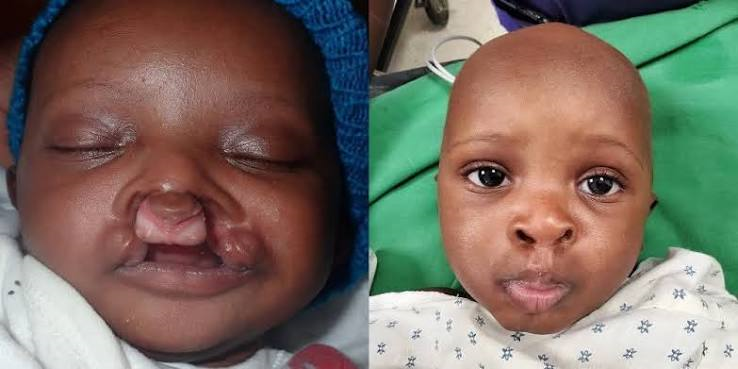
Beyond Charity: The Push for Sustainable Cleft Care in Nigeria
Nigeria faces a backlog of over 200,000 untreated cleft cases, with only about 750 specialists available to perform the 7,000 surgeries needed annually. As Smile Train and the Federal Ministry of Health launch a five-year, $10 million initiative to integrate cleft care into the national health system, experts warn that charity missions alone cannot solve a crisis rooted in limited surgical capacity, prohibitive costs, and a severe shortage of trained professionals.
 Health
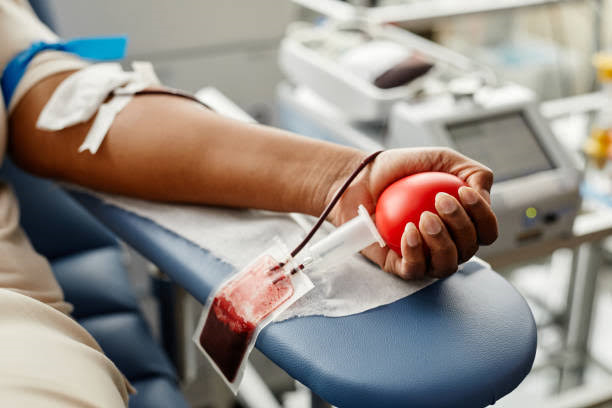
Blood Crisis: Nigeria's Supply Falls Short as NBSA Warns of Rising Risks
The National Blood Service Agency has warned that Nigeria's blood supply remains critically below national requirements, with only about 500,000 units collected annually against an estimated need of two million units. Executive Secretary Dr. Saleh Yuguda says voluntary donation stands at just 15 per cent, warning that commercial and family replacement donations are fuelling unsafe practices and putting patients at risk.
 Health
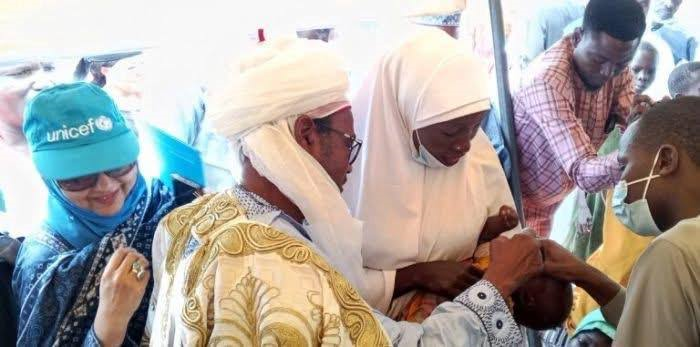
Adamawa Targets 130,000 Children in Polio Vaccination Drive
Adamawa State will run a special polio vaccination exercise from November 5 to 12 in Gombi and Fufore local government areas, targeting 130,000 children under five as part of the November National Plus Days campaign.
Comments (0)
Leave a comment
All comments are moderated before publishing. Your email is never published.