
Agbakoba Urges Political Parties to Build Independent Election Results Systems Ahead of 2027
Senior Advocate of Nigeria Olisa Agbakoba has urged political parties to establish reliable systems for collecting, verifying and preserving polling unit results ahead of the 2027 general elections, warning that parties must provide credible evidence to challenge disputed outcomes.
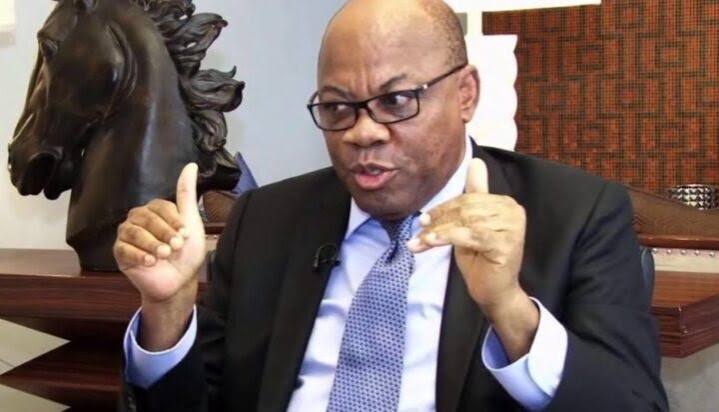
A former President of the Nigerian Bar Association (NBA), Dr Olisa Agbakoba, has urged political parties to take greater responsibility for monitoring election results, insisting that they must develop independent systems for gathering and verifying votes ahead of the 2027 general elections.
Agbakoba, a Senior Advocate of Nigeria (SAN), made the call during an appearance on Arise Television, where he discussed electoral transparency, the publication of election results and the responsibility of political parties to protect their votes.
He argued that parties contesting elections should deploy agents across polling units to obtain, collate and preserve authentic result sheets rather than depend entirely on the Independent National Electoral Commission (INEC) to supply evidence during election petitions.
According to him, political parties already have access to primary election records through their polling agents, who participate in the counting process and sign the relevant result sheets, including Form EC8A.
He maintained that parties seeking to challenge declared results must be able to produce their own verified records to demonstrate discrepancies between the votes recorded at polling units and the figures eventually declared by electoral authorities.
Agbakoba criticised the practice of approaching courts to compel INEC to release results from its Result Viewing Portal (IReV), arguing that parties should have gathered and preserved the necessary evidence during the election.
He explained that INEC’s official actions are generally presumed to have been carried out regularly, making credible contrary evidence essential when challenging its declarations.
The lawyer also predicted that political parties and media organisations would increasingly employ artificial intelligence tools to collect, analyse and collate election results, potentially improving the speed of verification and strengthening scrutiny of the electoral process.
On the publication of election results, Agbakoba maintained that INEC’s exclusive authority to formally declare winners does not prevent citizens and journalists from reporting accurate figures already announced at polling units or contained in authentic electoral records.
He cited a 1984 Lagos State High Court judgment involving the Nigerian Union of Journalists and the then Federal Electoral Commission, arguing that the decision supported the right to publish election results already in the public domain.
Agbakoba said any independent compilation or projection of election results should be based on verifiable information, properly attributed to its source and presented without misrepresenting official records.
His recommendations come amid preparations for the 2027 general elections and continuing concerns about the electronic transmission, collation and public verification of results.
The lawyer’s position places emphasis on effective polling unit coverage, accurate record-keeping and transparent access to electoral information as measures that could help identify discrepancies and strengthen accountability in the electoral process.
Sponsored

Related stories
 News
News
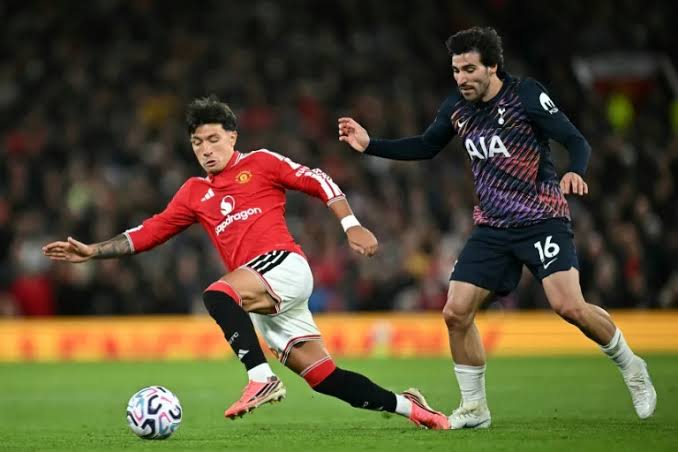
Martinez Returns to Man Utd Squad as Carrick Declares Dispute Resolved
Manchester United defender Lisandro Martinez will be available for Sunday’s Premier League trip to Leeds United after apologising for publicly criticising the club’s hierarchy, with head coach Michael Carrick insisting the matter has been resolved.
 News
News
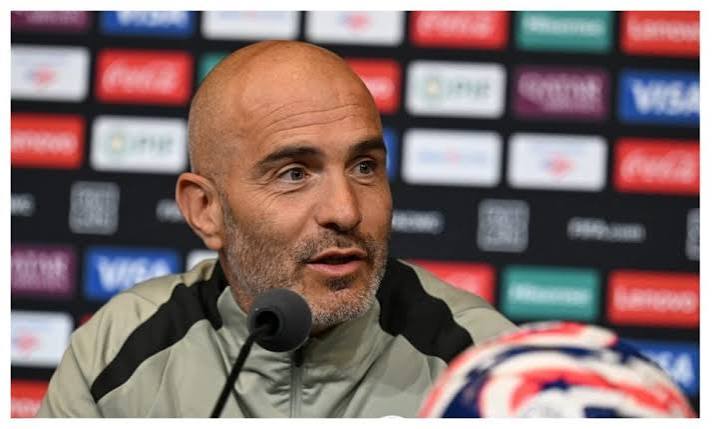
Maresca Reveals Guardiola’s Verdict After Man City Lose to PSG
Manchester City head coach Enzo Maresca has revealed that former manager Pep Guardiola was positive about aspects of the team’s performance despite their 4-2 Champions League defeat to Paris Saint-Germain at the Etihad Stadium.
 News
News
Police Rescue One-Month-Old Baby Allegedly Sold for ₦2 Million in Oyo
The Oyo State Police Command has rescued a one-month-old baby girl allegedly sold for ₦2 million in Ibadan, arresting the child’s mother and a health facility owner while pursuing other suspects.
 News
News
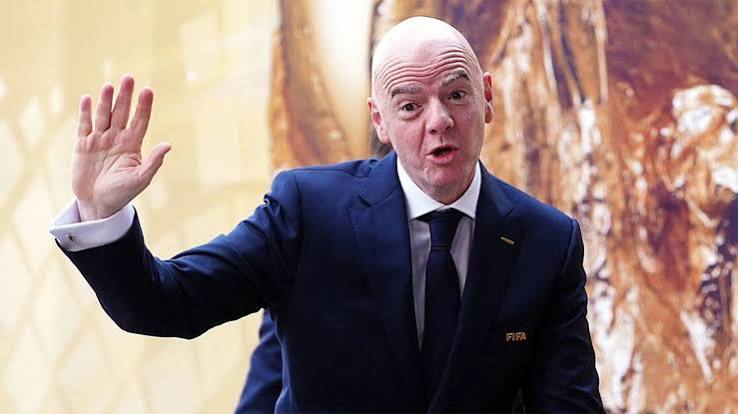
FIFA Yet to Approve NFF Normalisation Committee
Nigeria is still awaiting FIFA’s decision on a proposed Normalisation Committee to oversee reforms at the Nigeria Football Federation following the resignation of its leadership in August.
Comments (0)
Leave a comment
All comments are moderated before publishing. Your email is never published.