
2027: People Who Can’t Tell Their Primary School Want to Be President — Rufai Oseni
Rufai Oseni questioned presidential candidates omitting primary school details, urging Nigerians to demand greater transparency from leaders.
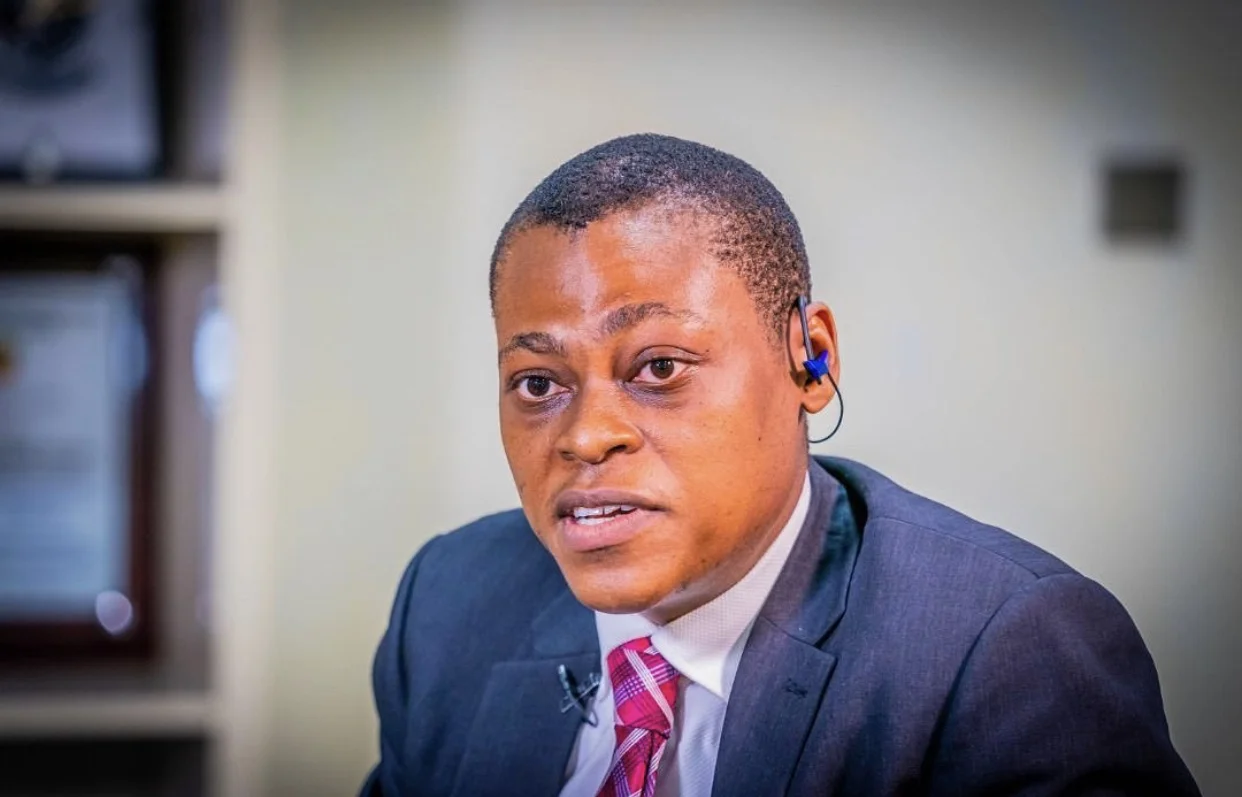
Popular broadcaster and Arise Television Morning Show anchor, Rufai Oseni, has questioned the credibility of presidential aspirants who fail to disclose details of their primary school education while seeking Nigeria’s highest political office.
Oseni made the remarks in a Facebook post on Sunday following the publication of the personal particulars of presidential candidates by the Independent National Electoral Commission (INEC) ahead of the 2027 general election.
Reacting to the nomination documents, the broadcaster criticised candidates who omitted information about their early education, arguing that Nigerians should demand greater transparency from those aspiring to lead the country.
“People that can’t tell you their primary school want to be your president and Nigerians will vote them,” Oseni wrote.
His comments come amid growing public debate over the educational information contained in the documents submitted by presidential candidates.
A review of the particulars published by INEC showed that President Bola Tinubu, the presidential candidate of the All Progressives Congress (APC), listed only his Bachelor of Science degree obtained from Chicago State University among his educational qualifications.
The sections provided for his primary and secondary school attendance years were entered as “0000,” although copies of his university degree certificate and National Youth Service Corps (NYSC) certificate were attached to the nomination documents.
In contrast, the nomination forms submitted by the presidential candidate of the Nigeria Democratic Congress (NDC), Peter Obi, and the African Democratic Congress (ADC) candidate, Atiku Abubakar, contained educational histories beginning from their primary school education.
The publication of the candidates’ particulars has generated widespread reactions from political stakeholders and members of the public, with many calling for greater openness from those contesting public office.
INEC explained that the publication of the documents forms part of the statutory process required under the Electoral Act.
According to the commission, the display allows members of the public to examine the nomination papers and supporting documents submitted by candidates before the elections.
The electoral body also noted that any individual who believes the information contained in a candidate’s affidavit is false may institute legal proceedings to challenge the declaration in accordance with the provisions of the Electoral Act.
The commission said the public scrutiny period is intended to promote transparency and accountability in Nigeria’s electoral process.
Sponsored

Related stories
 Politics
2027 Governorship List: PDP Engages INEC Over Omission of Adebutu, Pantami, Others
The PDP is seeking clarification from INEC after its governorship candidates in Ogun and Gombe were omitted from the final list.
 Politics
Jigawa ADC Kicks as INEC Omits Ringim, Seven Others From Final List
Jigawa ADC has protested INEC’s omission of its deputy governorship candidate Aminu Ringim and seven other party-backed candidates.
 Politics
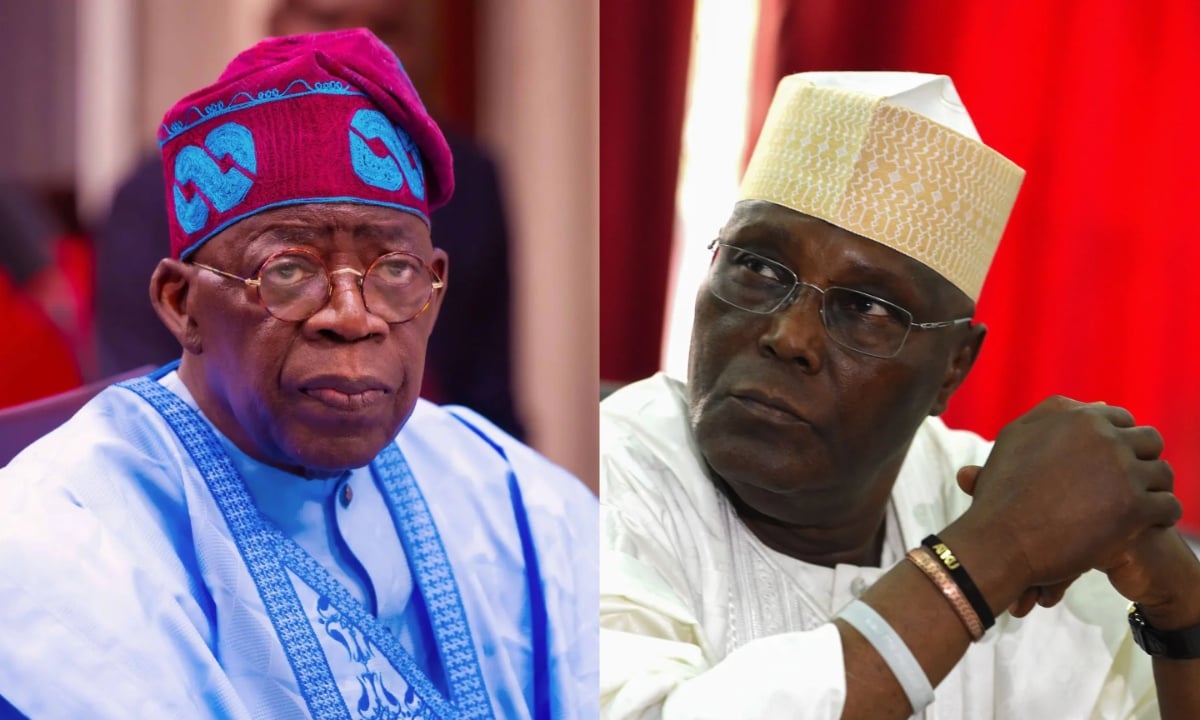
Fuel Discount: Atiku Accuses Tinubu of Turning NNPCL Into Campaign Money Cashier
Atiku has accused Tinubu’s administration of using NNPCL’s petrol discount for political advantage ahead of the 2027 general election.
 Politics
2027: NDC to Inaugurate Presidential Council October 20
The Nigeria Democratic Congress will inaugurate its Presidential Campaign Council on October 20 as it intensifies preparations for the 2027 general elections.
Comments (0)
Leave a comment
All comments are moderated before publishing. Your email is never published.