
World Heart Day: NOA Urges Osun Residents to Prioritise Heart Health
As Nigeria joins the global community to mark World Heart Day 2026, the National Orientation Agency (NOA) in Osun State has urged residents to prioritise their cardiovascular health through regular exercise, balanced diets, and routine medical check-ups. The agency warned that heart disease is no longer a disease of the wealthy, citing rising cases of hypertension, obesity, and sedentary lifestyles among ordinary Nigerians.
The National Orientation Agency (NOA) in Osun State has urged residents to prioritise their heart health through regular exercise, balanced diets, and routine medical check-ups, as Nigeria joined the global community to mark World Heart Day 2026.
Speaking at a sensitisation programme held in Osogbo on Tuesday to commemorate the annual event, the State Director of NOA, Mrs. Yemi Adegoke, said the rising incidence of cardiovascular diseases in Nigeria demanded urgent attention from individuals, communities, and government at all levels. She noted that heart disease, once considered a condition affecting only the wealthy and elderly, had become a leading cause of death across all socioeconomic groups in the country.
"This year's World Heart Day is a reminder that heart health is not a luxury; it is a necessity. We are seeing more and more young people suffering from hypertension, heart attacks, and strokes. This is not acceptable, and it is preventable," Adegoke said. She explained that the theme of this year's celebration was designed to encourage individuals to take control of their heart health by making simple but impactful lifestyle changes.
Adegoke identified poor dietary habits, physical inactivity, excessive alcohol consumption, smoking, and chronic stress as major risk factors for heart disease. She urged residents to embrace regular exercise, aiming for at least 30 minutes of moderate physical activity most days of the week, and to reduce their intake of salt, sugar, and processed foods. She also encouraged Nigerians to monitor their blood pressure and blood sugar levels regularly, noting that many cases of hypertension go undetected until they result in life-threatening complications.
The NOA director stressed the importance of routine medical check-ups, particularly for adults over the age of 40 and those with a family history of heart disease. She lamented that many Nigerians only visit hospitals when they are already critically ill, by which time treatment options are limited and outcomes are often poor. "A simple blood pressure check today can save your life tomorrow. Do not wait until you are rushed to the emergency room before you start taking your health seriously," she advised.
Adegoke also called on the Osun State Government to intensify public health campaigns aimed at promoting heart health and preventing cardiovascular diseases. She urged the government to invest in community-based screening programmes that would bring blood pressure and blood sugar checks to the grassroots, where access to healthcare is limited. She further encouraged religious organisations, traditional rulers, and community leaders to use their platforms to spread the message of heart health, noting that the fight against cardiovascular disease required a collective effort.
Speaking at the event, a consultant cardiologist from the Ladoke Akintola University of Technology Teaching Hospital, Ogbomoso, Dr. Adekunle Fashina, said cardiovascular diseases accounted for a significant proportion of deaths in Nigeria, yet received far less attention than infectious diseases. He noted that hypertension, often called the "silent killer," affected an estimated 30 per cent of Nigerian adults, with many unaware they had the condition. He also warned that the growing prevalence of obesity, diabetes, and high cholesterol among Nigerians was contributing to the rising burden of heart disease.
Fashina explained that heart disease is not inevitable and that lifestyle modifications could significantly reduce the risk of developing cardiovascular conditions. He recommended the adoption of a heart-healthy diet rich in fruits, vegetables, whole grains, and lean proteins, while limiting the consumption of red meat, fried foods, and sugary beverages. He also encouraged Nigerians to quit smoking, moderate their alcohol intake, and find healthy ways to manage stress, such as meditation, exercise, and adequate sleep.
The sensitisation programme featured free blood pressure and blood sugar screenings, as well as counselling sessions for participants. Many residents who attended the event expressed gratitude to NOA for organising the initiative, saying they had learned valuable information about how to protect their hearts. One participant, Mrs. Funmilayo Adeyemi, said she had discovered during the screening that her blood pressure was dangerously high and had been advised to seek immediate medical attention. "I had no idea. I felt fine. This programme may have saved my life," she said.
As World Heart Day is marked across the globe, the message from NOA Osun is clear: heart health is a personal responsibility, and the choices Nigerians make every day determine the health of their hearts. With cardiovascular diseases claiming millions of lives worldwide each year, the agency's call for awareness, prevention, and early intervention is both timely and urgent. For the residents of Osun State, the message is one that could mean the difference between life and death.
Sponsored

Related stories
 Health
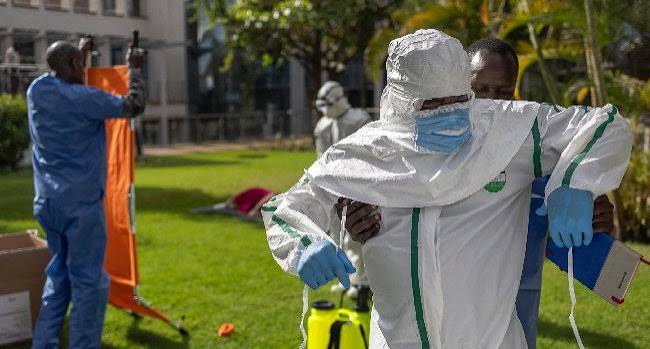
Ebola: NCDC Identifies 62 Contacts, Extends Monitoring to November 13
The Nigeria Centre for Disease Control and Prevention has identified 62 individuals who had contact with confirmed Ebola cases and is monitoring them until November 13, 2026. With two healthcare workers among the confirmed cases and the Democratic Republic of Congo's outbreak continuing to spread, Nigeria remains on high alert, intensifying surveillance at points of entry and urging citizens to report symptoms and travel history promptly.
 Health
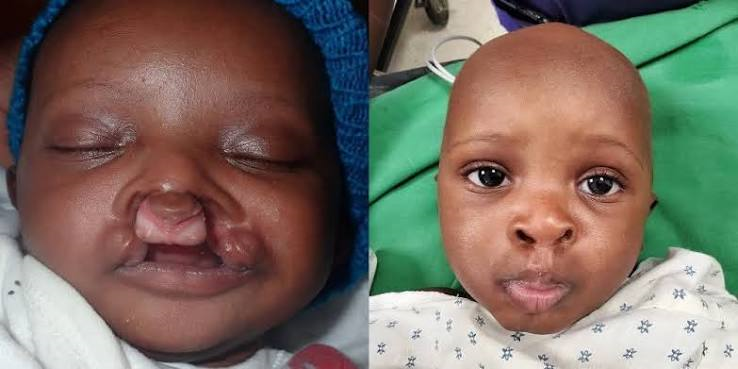
Beyond Charity: The Push for Sustainable Cleft Care in Nigeria
Nigeria faces a backlog of over 200,000 untreated cleft cases, with only about 750 specialists available to perform the 7,000 surgeries needed annually. As Smile Train and the Federal Ministry of Health launch a five-year, $10 million initiative to integrate cleft care into the national health system, experts warn that charity missions alone cannot solve a crisis rooted in limited surgical capacity, prohibitive costs, and a severe shortage of trained professionals.
 Health
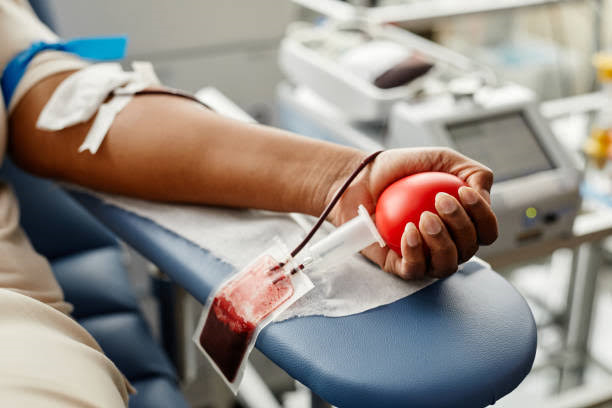
Blood Crisis: Nigeria's Supply Falls Short as NBSA Warns of Rising Risks
The National Blood Service Agency has warned that Nigeria's blood supply remains critically below national requirements, with only about 500,000 units collected annually against an estimated need of two million units. Executive Secretary Dr. Saleh Yuguda says voluntary donation stands at just 15 per cent, warning that commercial and family replacement donations are fuelling unsafe practices and putting patients at risk.
 Health
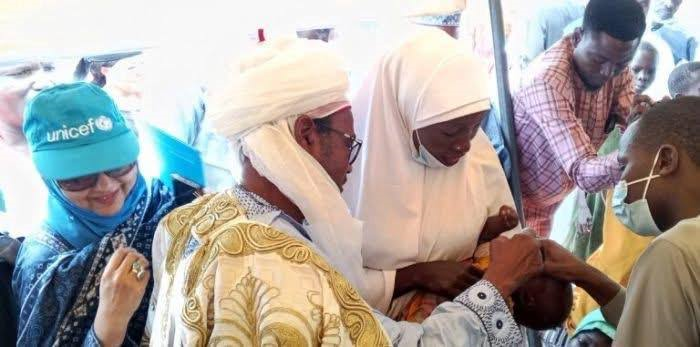
Adamawa Targets 130,000 Children in Polio Vaccination Drive
Adamawa State will run a special polio vaccination exercise from November 5 to 12 in Gombi and Fufore local government areas, targeting 130,000 children under five as part of the November National Plus Days campaign.
Comments (0)
Leave a comment
All comments are moderated before publishing. Your email is never published.