
World Bank: Fuel Prices to Slow Nigeria’s Poverty Reduction
The World Bank says elevated fuel prices are putting additional pressure on low-income households and slowing poverty reduction in Nigeria.
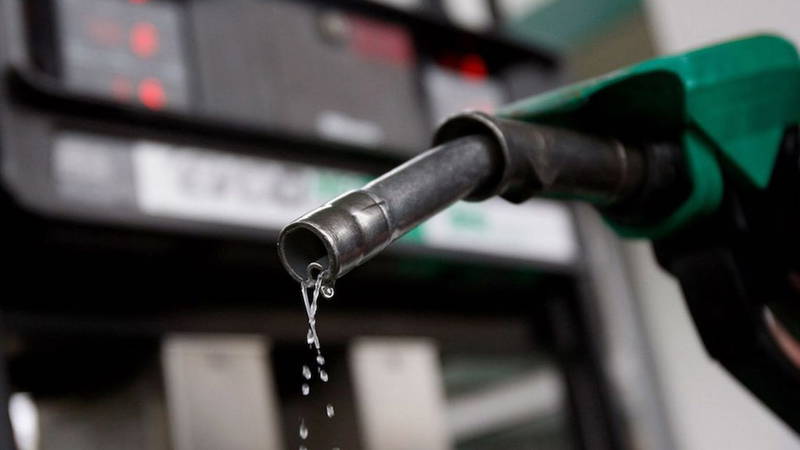
The World Bank has warned that elevated fuel prices will continue to constrain the pace of poverty reduction in Nigeria, even as the economy records stronger growth and improving macroeconomic stability.
The warning was contained in the bank’s October 2026 Africa Economic Update, which raised Nigeria’s economic growth forecast for 2026 to 4.3 per cent from an estimated 4.0 per cent in 2025.
The bank said Nigeria’s economy is expected to grow by 4.4 per cent annually in 2027 and 2028, supported by improved macroeconomic stability, stronger investor confidence and a gradual recovery in private investment.
However, the improved growth outlook has not translated into equally strong gains in household welfare.
The World Bank said the pace of poverty reduction is likely to remain weak because growth in income per person continues to lag overall economic expansion.
It specifically identified elevated fuel prices linked to the conflict in the Middle East as a factor weighing disproportionately on low-income households.
The bank said higher energy costs could increase pressure on household budgets and make it more difficult for economic growth to translate into meaningful improvements in living standards.
The warning comes as Nigeria continues to adjust to the effects of the removal of petrol subsidies and other economic reforms introduced to improve government finances and stabilise the economy.
The World Bank expects Nigeria’s inflation rate to continue declining, projecting it at 15.7 per cent in 2026 compared with 23 per cent in 2025. It expects inflation to fall further to 12.2 per cent by 2028.
According to the bank, lower inflation should gradually improve household purchasing power, but stronger growth alone will not be sufficient to significantly reduce poverty.
It said Nigeria would need sustained reforms, increased private investment, improved infrastructure, stronger human capital and higher productivity to ensure that economic growth creates more jobs and better opportunities.
The World Bank also urged African countries to accelerate the adoption of artificial intelligence and other digital technologies, arguing that they could improve productivity and create employment opportunities.
The bank’s latest assessment comes amid wider economic pressures across sub-Saharan Africa, where higher global fuel, food and fertiliser prices are expected to push the median inflation rate from 3.7 per cent in 2025 to 5.5 per cent in 2026.
Sponsored

Related stories
 News
News
Abducted Corps Members Recount Ordeal, Say Kidnappers Fed Them Garri With Dirty Water
A survivor of the abduction of 20 prospective NYSC members in Imo State has recounted how their captors beat them, monitored their calls to relatives and forced them to survive on dry garri and muddy water during seven days in captivity.
 News
News
Falana Questions ₦15tn Coastal Highway Cost, Warns Against Voter Suppression
Human rights lawyer Femi Falana has questioned the estimated ₦15 trillion cost of the Lagos-Calabar Coastal Highway, demanding accountability over its funding and reported route changes, while urging political parties in Lagos to unite against electoral violence and voter suppression ahead of the 2027 elections.
 News
News
Ekiti Policemen Face Disciplinary Action Over Viral Extortion Video
Police officers captured in a viral video during an alleged extortion incident involving a motorcyclist in Ekiti State have been moved to the Force Headquarters in Abuja for disciplinary proceedings.
 News
News
Musk Spends $276m Backing Republicans Ahead of US Midterm Elections
Billionaire Elon Musk has reportedly contributed $276 million to groups supporting Republican candidates ahead of the November 3 US midterm elections, bringing his total spending in the current election cycle to $366 million.
Comments (0)
Leave a comment
All comments are moderated before publishing. Your email is never published.