
WHO Warns of Hidden Mpox Spread in Africa
The WHO reports 1,153 new mpox cases and 7 deaths across 11 African countries in a six-week period, with Madagascar recording the highest burden amid surveillance challenges
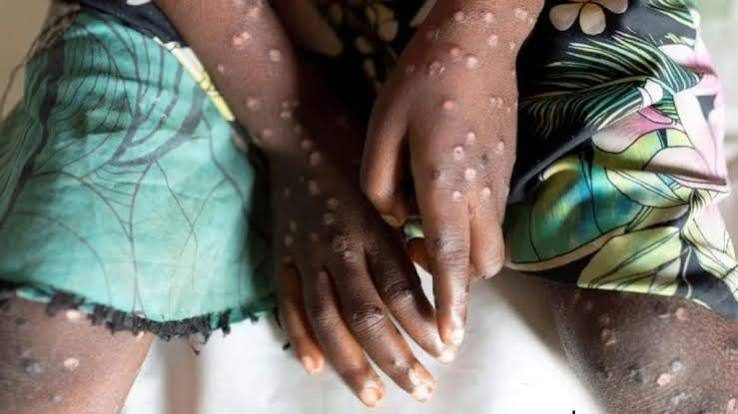
The World Health Organization (WHO) has issued a stark update on the ongoing mpox epidemic in Africa, revealing that 11 countries recorded active transmission of the virus over a recent six-week period. According to the latest "Mpox: Multi-country External Situation Report" published on September 14, 2026, the continent logged 1,153 confirmed cases and seven deaths between July 6 and August 16, 2026.
The report provides a granular breakdown of the outbreak’s epicenters during this timeframe. Madagascar bore the brunt of the recent surge, recording 785 cases, which accounts for the vast majority of the new infections. Angola followed with 184 cases, while Kenya reported 94. The Democratic Republic of the Congo (DRC), historically the epicenter of mpox in Africa, recorded 41 cases during this specific window, and Cameroon reported 28 cases.
While the WHO noted that reported weekly confirmed cases have remained "somewhat stable on the continent, with about 200 cases per week in recent weeks," health officials strongly cautioned that these official figures likely represent a significant underestimation of the true disease burden. The organization attributed this discrepancy to persistent reporting delays, fragmented health data systems, and reduced active surveillance in several hard-to-reach regions.
This recent six-week snapshot is part of a much larger, protracted multi-country mpox outbreak that has plagued the African continent since January 2025. Cumulative data from the WHO indicates that between January 1, 2025, and August 16, 2026, a staggering 52,424 confirmed mpox cases and 238 deaths have been reported across 35 African countries.
Public health experts emphasize that the apparent stability in weekly case numbers should not be interpreted as a sign of outbreak containment. Rather, it reflects a complex interplay of endemic transmission, cross-border movement, and systemic gaps in diagnostic capacity. The DRC, in particular, continues to face immense challenges in managing the more severe clade I variant of the virus, which is associated with higher mortality rates, especially among children and immunocompromised individuals.
The WHO’s latest situation report underscores the urgent need for fortified public health infrastructure. Health authorities warn that reduced surveillance means the virus could be circulating undetected in communities, posing a continuous risk of localized flare-ups and cross-border spillover. This highlights the critical importance of robust, real-time epidemiological tracking to guide effective interventions.
To combat this persistent threat, global health advocates are renewing calls for equitable access to mpox countermeasures. While vaccine rollout campaigns have seen incremental progress in select African nations, supply chain bottlenecks and funding shortfalls continue to hinder widespread immunization efforts. Furthermore, strengthening community-level health education remains paramount to dispelling stigma, encouraging early healthcare-seeking behavior, and promoting safe practices that interrupt transmission chains.
The concentration of recent cases in Madagascar and Angola also highlights the dynamic and shifting nature of the outbreak, requiring tailored, context-specific interventions. In Madagascar, rapid response teams are being deployed to enhance contact tracing and isolate cases in rural districts. Meanwhile, Angola and Kenya are focusing on bolstering their laboratory networks to ensure faster turnaround times for diagnostic testing.
As the international community navigates this prolonged public health challenge, the WHO continues to urge member states to maintain high levels of vigilance. The organization recommends that countries with active transmission intensify their surveillance efforts, ensure adequate isolation and clinical care for suspected cases, and accelerate the deployment of vaccines to high-risk populations.
Ultimately, the data from this six-week period serves as a critical reminder that the fight against mpox in Africa is far from over. Bridging the gap between reported cases and actual transmission will require sustained political will, increased international funding, and a renewed commitment to health equity. Until surveillance systems are fully restored, the true scale of the outbreak will remain obscured, leaving vulnerable populations at continued risk.
Sponsored

Related stories
 Health
Diri Orders Free Quarterly Health Checks for All Bayelsa Residents at Secondary Facilities
Governor Douye Diri has directed Bayelsa's Ministry of Health to begin free quarterly medical check-ups across all eight local government areas, aimed at helping residents who cannot afford routine screening and promoting early detection of diseases.
 Health
‘Priceless Gift of Sight’ Reaches 400,000 Beneficiaries
FCMB and the Tulsi Chanrai Foundation say their 15-year eye care partnership has reached over 400,000 Nigerians, as a World Sight Day roundtable in Abuja pushes for private-sector funding to sustain and expand care.
 Health
FUNAAB Launches Africa’s First AI Disease Surveillance System
Researchers at the Federal University of Agriculture, Abeokuta, have developed IDS-Master, a groundbreaking AI-powered surveillance system that detects infectious disease outbreaks in real time by analysing reports from community leaders, health agents, and ordinary residents. Described as Africa's first fully AI-driven event-based surveillance platform, the innovation promises to bridge critical gaps in outbreak detection across underserved rural communities where delays in reporting can cost l
 Health
NAFDAC Seeks Global Partners for Local Vaccine Production
The Director-General of the National Agency for Food and Drug Administration and Control (NAFDAC), Prof. Mojisola Adeyeye, has called on international partners to support the establishment of vaccine manufacturing facilities in Nigeria, saying local production is the missing link in the agency’s push to attain World Health Organisation Maturity Level 4 for vaccine lot release. She spoke at the 8th Nigeria Pharma Manufacturers’ Expo in Lagos, where she commended President Bola Tinubu’s Executive
Comments (0)
Leave a comment
All comments are moderated before publishing. Your email is never published.