
WHO Sounds Alarm as NCDs Now Cause 37% of Deaths in Africa
The World Health Organization has issued a stark warning that non-communicable diseases now account for 37 per cent of all deaths in Africa, up from 24 per cent in 2000, with nearly two-thirds of these deaths occurring prematurely. As World Patient Safety Day 2026 focuses on "Safe Care for Noncommunicable Diseases," WHO Regional Director for Africa Dr. Mohammed Janabi has called for urgent action to protect millions of patients from avoidable harm during long-term treatment.
The World Health Organization (WHO) has raised alarm over the rising burden of non-communicable diseases (NCDs) in Africa, warning that millions of people living with chronic conditions face avoidable harm due to unsafe care.
In his message to mark World Patient Safety Day 2026, the WHO Regional Director for Africa, Dr. Mohammed Janabi, said patient safety must be made an integral part of long-term care for people living with diabetes, cancer, heart disease and chronic respiratory conditions. The Day is being marked under the theme "Safe care for Noncommunicable Diseases" with the slogan "Safe care for life!"
"For a person living with diabetes, cancer, heart disease or a chronic respiratory condition, health care is rarely a single encounter. It may involve years of consultations, tests, medicines, referrals and treatment. Each interaction should improve health, yet each can also expose a patient to avoidable harm," Janabi said. He called on governments, health workers, partners, patients and families to make safety central to NCD care.
Janabi disclosed that NCDs caused at least 43 million deaths globally in 2021. In the WHO African Region, they accounted for 37 per cent of all deaths in 2019, up from 24 per cent in 2000. More worrisome, he said, is that nearly two-thirds of NCD deaths in the region are premature, compared with 41.7 per cent globally.
Beyond deaths, NCDs are a major cause of long-term disability and loss of function. Their rise is driven by unhealthy diets, physical inactivity, hypertension, obesity and air pollution. He explained that because people living with NCDs often receive care from several providers and facilities over long periods, they are more exposed to risks. "Harm can arise through delayed or missed diagnoses, medication errors, adverse drug interactions, weak follow-up or poor communication when a patient moves between services," he noted.
According to him, risks can occur at every stage – diagnosis, treatment, rehabilitation, palliative care and self-management – and are worsened by stigma, discrimination and poor access to essential medicines and technologies. Janabi stressed that expanding access to NCD services must go hand in hand with improving their safety and quality. Strong primary health care, he said, can provide continuity, detect problems earlier and coordinate care across different levels of the health system.
Health workers also need practical guidance, reliable supplies and an environment where errors can be reported without fear of blame and used to improve care. He said countries across Africa are already expanding integrated NCD services through WHO PEN at primary care level and PEN-Plus at first-level referral hospitals, bringing diagnosis, treatment and long-term care closer to communities. These models support safer care through evidence-based protocols, clear referral pathways and regular monitoring, he added.
The RD emphasised that people living with NCDs must be partners in making care safer, as they know where services break down and where risks arise in daily life. "Listening to their experience, communicating clearly and involving them in decisions can prevent harm and improve treatment outcomes," he said.
Janabi urged member states to embed patient safety in NCD policies, strengthen systems for reporting and learning from harm, and invest in health worker training, supportive supervision and safe use of medicines and technologies. He also urged health professionals to follow evidence-based protocols and communicate openly with patients and colleagues, while calling on patients and families to speak up, ask questions and share concerns.
"As WHO, we are committed to supporting Member States to strengthen primary health care, improve the quality and safety of NCD services, and ensure that the experience of patients and families informs how care is designed and delivered," he said. "Every person living with an NCD deserves safe, respectful and effective care at every stage of their journey."
The warning comes as Africa grapples with a growing NCD crisis that threatens to overwhelm already fragile health systems. With nearly two-thirds of NCD deaths in the region occurring prematurely, the human and economic costs are immense. The WHO's call for safer care represents a critical shift in focus from merely expanding access to ensuring that the care patients receive is safe, effective and respectful. For millions of Africans living with chronic conditions, the message is clear: access alone is not enough. Safety must be at the heart of every encounter, from diagnosis to long-term management.
Sponsored

Related stories
 Health
Diri Orders Free Quarterly Health Checks for All Bayelsa Residents at Secondary Facilities
Governor Douye Diri has directed Bayelsa's Ministry of Health to begin free quarterly medical check-ups across all eight local government areas, aimed at helping residents who cannot afford routine screening and promoting early detection of diseases.
 Health
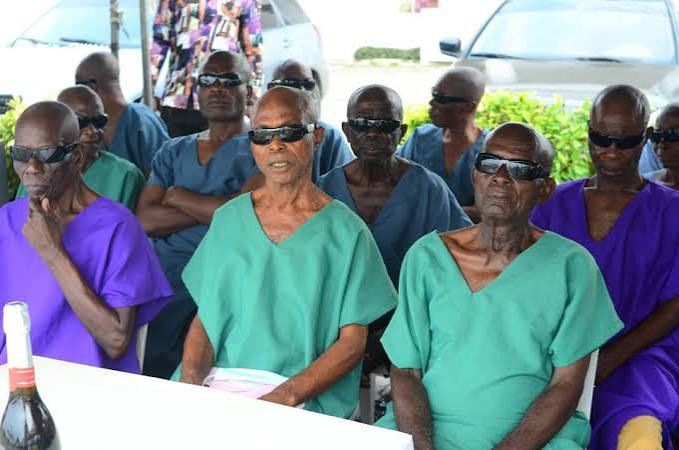
‘Priceless Gift of Sight’ Reaches 400,000 Beneficiaries
FCMB and the Tulsi Chanrai Foundation say their 15-year eye care partnership has reached over 400,000 Nigerians, as a World Sight Day roundtable in Abuja pushes for private-sector funding to sustain and expand care.
 Health
FUNAAB Launches Africa’s First AI Disease Surveillance System
Researchers at the Federal University of Agriculture, Abeokuta, have developed IDS-Master, a groundbreaking AI-powered surveillance system that detects infectious disease outbreaks in real time by analysing reports from community leaders, health agents, and ordinary residents. Described as Africa's first fully AI-driven event-based surveillance platform, the innovation promises to bridge critical gaps in outbreak detection across underserved rural communities where delays in reporting can cost l
 Health
NAFDAC Seeks Global Partners for Local Vaccine Production
The Director-General of the National Agency for Food and Drug Administration and Control (NAFDAC), Prof. Mojisola Adeyeye, has called on international partners to support the establishment of vaccine manufacturing facilities in Nigeria, saying local production is the missing link in the agency’s push to attain World Health Organisation Maturity Level 4 for vaccine lot release. She spoke at the 8th Nigeria Pharma Manufacturers’ Expo in Lagos, where she commended President Bola Tinubu’s Executive
Comments (0)
Leave a comment
All comments are moderated before publishing. Your email is never published.