
WHO: Nigeria Among 29 Nations Hit by 10,400 Healthcare Attacks in 8 Years, No One Held Accountable
The World Health Organisation says over 10,400 attacks on healthcare have been recorded globally since 2018, killing 5,700 people, with Nigeria listed among 29 affected countries and territories and zero accountability so far.
The World Health Organisation (WHO) has listed Nigeria among countries hit by attacks on healthcare over the past eight years, disclosing that more than 10,400 such incidents have been recorded globally since 2018, resulting in approximately 5,700 deaths and over 8,000 injuries across 29 countries and territories.
In its latest update published at the weekend, the UN health agency said more than 900 attacks on healthcare were recorded between January and August 2026 alone, resulting in at least 900 deaths and over 1,400 injuries within that period. WHO listed Nigeria alongside Ukraine, Lebanon, the occupied Palestinian territory, Myanmar, Iran, Sudan, the Democratic Republic of the Congo (DRC), South Sudan, Russia, and Syria among the locations where attacks on healthcare occurred this year.
The WHO's surveillance system tracks attacks on hospitals and other healthcare facilities, healthcare workers and patients, ambulances and other medical transport, as well as warehouses and medical supplies. According to the agency, these incidents have taken various forms, including the use of heavy weapons, destruction of healthcare facilities, and psychological violence directed at healthcare workers and patients.
Speaking during a briefing in Geneva, WHO Director for Humanitarian and Disaster Management, Altaf Musani, said the consequences of such attacks extend far beyond those killed or injured in any single incident. He explained that attacks can leave patients without treatment, prevent ambulances from making referrals, keep healthcare workers away from their posts, and disrupt the delivery of medicines and other essential supplies.
"When a hospital is attacked, the impact is not only on the people inside the hospital that day. It is the patient who cannot receive healthcare tomorrow. It is the ambulance that cannot make the next referral. It is the healthcare worker who cannot return to work, or medicine supply that can no longer reach facilities," Musani said.
The WHO also disclosed that it recorded 44 incidents involving the abduction, arrest, or detention of healthcare workers and patients between January and August 2026, with healthcare worker detentions accounting for the majority of cases and affecting 94 people in total.
Musani stressed that the figures represent more than mere statistics, describing each percentage point as reflecting real patients and lost services. "These are not simply statistics. Behind every percentage is a patient. Behind every damaged facility is a service lost. Behind every interrupted service is someone who will be left without healthcare," he said.
While Nigeria was listed among the affected countries, the report noted that most incidents this year occurred in Ukraine, Lebanon, and the occupied Palestinian territory. In Nigeria specifically, terrorism has had a severe impact on healthcare delivery, particularly in areas affected by insurgency and other forms of violent extremism. Attacks on hospitals, health workers, and patients, alongside threats against medical personnel, have disrupted essential services and forced some facilities to close or operate below capacity in conflict-affected communities, where insecurity has also made it difficult for healthcare workers and patients to travel safely, while attacks on roads and other infrastructure have disrupted the movement of medicines, vaccines, and other medical supplies.
Illustrating the wider ripple effects of such attacks, Musani cited a study of 69 attacks in northwest Syria, which found that outpatient consultations fell by 51 per cent the day after an attack, with the decline persisting for up to 37 days afterward.
The report also highlighted the severity of healthcare disruption in other conflict zones. In Sudan, 37 per cent of healthcare facilities were reported non-functional in 2026, with only 3 per cent of assessed facilities offering inpatient care. In Gaza, all 36 hospitals had sustained damage, with only half remaining partially functional. In Ukraine, WHO said it had verified more than 3,000 attacks affecting healthcare facilities, ambulances, warehouses, and supply chains since the beginning of the conflict there.
In the DRC, the agency said it had verified 12 attacks on healthcare since the country declared its current Ebola outbreak in May, further disrupting containment efforts for the disease.
Despite the scale and severity of the more than 10,000 verified incidents recorded since 2018, Musani said none had resulted in anyone being held accountable. "To date, no one has been held accountable," he stated, while clarifying that WHO does not have the mandate or expertise to hold parties to conflicts accountable itself. He noted, however, that the organisation's Director-General had repeatedly called for those responsible for attacks on healthcare to face accountability.
WHO warned that the broader consequences of these attacks extend beyond immediate casualties, cautioning that such incidents can undermine public confidence in health systems, discourage people from seeking treatment when they need it, and prevent healthcare professionals from reporting for duty, compounding the humanitarian toll in already fragile conflict and crisis settings around the world.
Sponsored
Related stories
 Health
Diri Orders Free Quarterly Health Checks for All Bayelsa Residents at Secondary Facilities
Governor Douye Diri has directed Bayelsa's Ministry of Health to begin free quarterly medical check-ups across all eight local government areas, aimed at helping residents who cannot afford routine screening and promoting early detection of diseases.
 Health
‘Priceless Gift of Sight’ Reaches 400,000 Beneficiaries
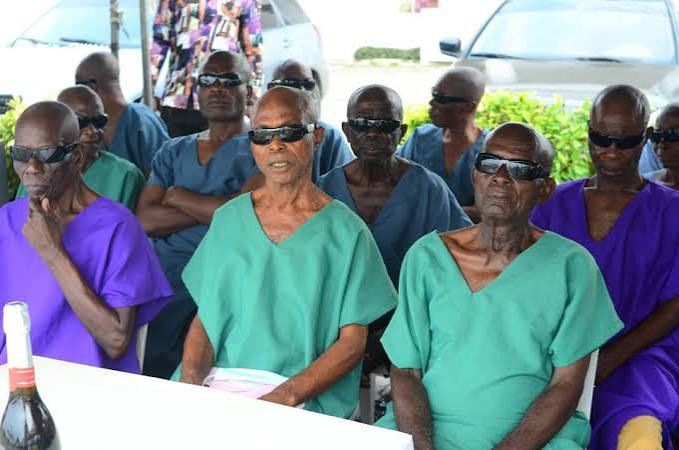
FCMB and the Tulsi Chanrai Foundation say their 15-year eye care partnership has reached over 400,000 Nigerians, as a World Sight Day roundtable in Abuja pushes for private-sector funding to sustain and expand care.
 Health
FUNAAB Launches Africa’s First AI Disease Surveillance System
Researchers at the Federal University of Agriculture, Abeokuta, have developed IDS-Master, a groundbreaking AI-powered surveillance system that detects infectious disease outbreaks in real time by analysing reports from community leaders, health agents, and ordinary residents. Described as Africa's first fully AI-driven event-based surveillance platform, the innovation promises to bridge critical gaps in outbreak detection across underserved rural communities where delays in reporting can cost l
 Health
NAFDAC Seeks Global Partners for Local Vaccine Production
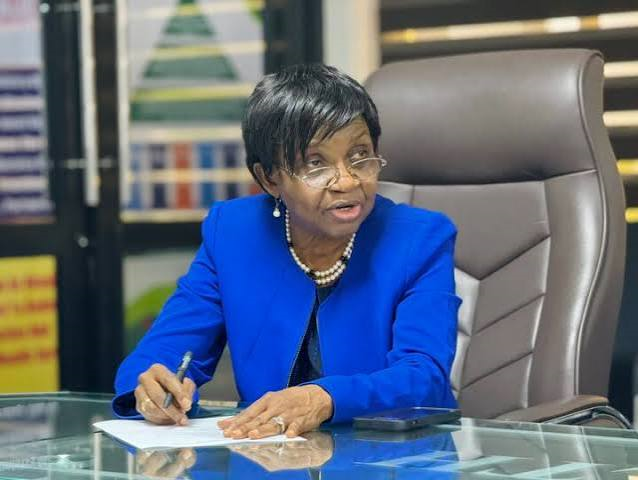
The Director-General of the National Agency for Food and Drug Administration and Control (NAFDAC), Prof. Mojisola Adeyeye, has called on international partners to support the establishment of vaccine manufacturing facilities in Nigeria, saying local production is the missing link in the agency’s push to attain World Health Organisation Maturity Level 4 for vaccine lot release. She spoke at the 8th Nigeria Pharma Manufacturers’ Expo in Lagos, where she commended President Bola Tinubu’s Executive
Comments (0)
Leave a comment
All comments are moderated before publishing. Your email is never published.