
UN Warns of Rising Illicit Medicine Trade in Central Africa
The UN has warned that trafficking in counterfeit, substandard and unapproved medicines is becoming a major public health threat in Central Africa, with more than 251 tonnes seized between 2020 and 2025.
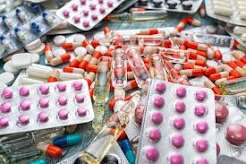
The United Nations has warned that the growing trafficking of medicines poses a major public health threat across Central Africa, driven by inadequate access to safe and affordable healthcare.
A new report by the United Nations Office on Drugs and Crime (UNODC), the World Health Organisation (WHO) and the Central African Economic and Monetary Community (CEMAC) said the illicit trade was flourishing partly because essential medicines were often unavailable or too expensive.
The six CEMAC countries – Cameroon, Central African Republic, Chad, Republic of Congo, Equatorial Guinea and Gabon – face a high burden of infectious diseases, including tuberculosis, malaria and HIV.
The report said traffickers divert prescription medicines from regulated supply chains and national health programme stocks, while also distributing counterfeit, substandard and unapproved products.
The medicines include antibiotics, antimalarials, painkillers, anti-inflammatory drugs and psychoactive substances such as tramadol and pregabalin.
Authorities in the six countries seized at least 251 tonnes of medicines between 2020 and 2025, according to the report.
The UNODC warned that the illicit trade could result in treatment failures, poisoning and preventable deaths, while also strengthening organised crime and weakening public institutions.
The report said some illicit medicines eventually entered legitimate healthcare facilities, despite patients generally regarding such institutions as reliable sources of medical treatment.
It added that illicit medicines were commonly brought into the region through seaports and river ports, as well as by air in cargo and passengers’ luggage, before being distributed through major trade routes.
In the Central African Republic, armed groups were reportedly profiting from the trade by looting health centres and imposing taxes on shipments passing through areas under their control.
The report also highlighted the scale of the public health consequences. WHO estimates cited in the report indicate that falsified or substandard antimalarial medicines may be associated with between 72,000 and 267,000 deaths annually in sub-Saharan Africa, while poor-quality antibiotics used to treat childhood pneumonia may be linked to up to 169,271 deaths each year.
The UN agencies called for stronger cooperation among Central African countries, improved regulation of medical supply chains and greater efforts to ensure that safe and affordable medicines are accessible to communities.
They said addressing the underlying gaps in healthcare access would be critical to reducing demand for illicit medical products and weakening the criminal networks that profit from the trade.
Sponsored

Related stories
 News
News
Abducted Corps Members Recount Ordeal, Say Kidnappers Fed Them Garri With Dirty Water
A survivor of the abduction of 20 prospective NYSC members in Imo State has recounted how their captors beat them, monitored their calls to relatives and forced them to survive on dry garri and muddy water during seven days in captivity.
 News
News
Falana Questions ₦15tn Coastal Highway Cost, Warns Against Voter Suppression
Human rights lawyer Femi Falana has questioned the estimated ₦15 trillion cost of the Lagos-Calabar Coastal Highway, demanding accountability over its funding and reported route changes, while urging political parties in Lagos to unite against electoral violence and voter suppression ahead of the 2027 elections.
 News
News
Ekiti Policemen Face Disciplinary Action Over Viral Extortion Video
Police officers captured in a viral video during an alleged extortion incident involving a motorcyclist in Ekiti State have been moved to the Force Headquarters in Abuja for disciplinary proceedings.
 News
News
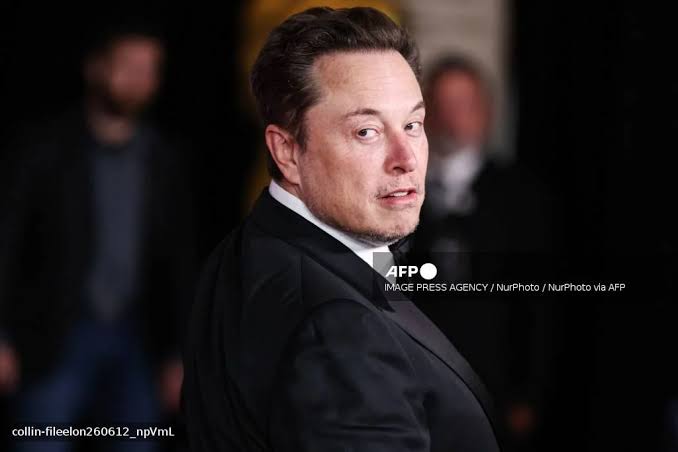
Musk Spends $276m Backing Republicans Ahead of US Midterm Elections
Billionaire Elon Musk has reportedly contributed $276 million to groups supporting Republican candidates ahead of the November 3 US midterm elections, bringing his total spending in the current election cycle to $366 million.
Comments (0)
Leave a comment
All comments are moderated before publishing. Your email is never published.