
UN Chief Guterres Appeals for $1.1bn as DRC's Ebola Death Toll Hits 2,700
UN Secretary-General António Guterres has appealed for an additional $1.1 billion to fund the DRC's Ebola response, warning the outbreak is the fastest-growing on record and could run out of money within weeks.
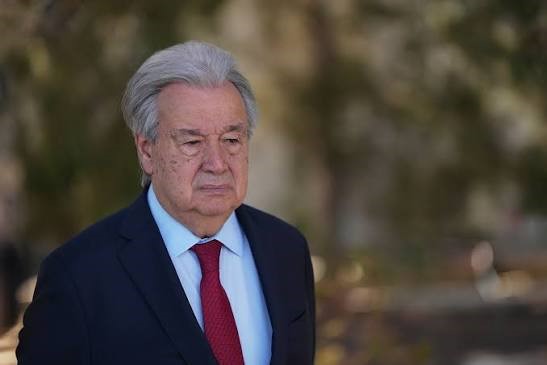
United Nations Secretary-General António Guterres has appealed for an additional $1.1 billion to fully fund the international response to the Ebola outbreak in the Democratic Republic of Congo (DRC), warning that the epidemic is spreading faster than efforts to contain it and that current resources could be exhausted within weeks.
Speaking to reporters at UN Headquarters on Thursday, Guterres said the overall aid plan for the outbreak carries a total cost of $2.1 billion but remains only 48 per cent funded. While the response has received a major contribution from the United States, he warned that without additional funding, vital operations would run out of money at the very moment they need to expand.
"Without additional funding, vital operations will run out of money at the very moment they need to ramp up," Guterres said, describing the current resources available as likely to last "weeks, not months." He added, "That is why I am appealing for the remaining $1.1 billion... recognising that even more will be needed in the future."
According to figures cited by the UN chief, more than 5,600 confirmed Ebola cases and over 2,700 deaths have been recorded across six affected provinces in the DRC since the outbreak was formally declared on May 15. Guterres described the epidemic as the fastest-growing Ebola outbreak on record, noting that it continues to expand across a vast geographic area, with women and children among those hit hardest. Roughly 500 new cases are being reported every week, he said.
The outbreak is being driven by the rare Bundibugyo strain of the Ebola virus, for which no approved vaccines or treatments currently exist, a factor that has significantly complicated containment efforts compared to previous outbreaks involving the more commonly encountered Zaire strain. The World Health Organisation (WHO) believes the response has succeeded in slowing the outbreak's spread, but has not yet managed to reverse its overall upward trajectory.
Guterres was emphatic that the outbreak remains within reach of containment despite its scale. "We know how to contain Ebola, how to interrupt transmission, and how to save lives," he said. "But we must also overcome another virus, the virus of indifference." He argued that international attention, political focus, and resources remain out of step with the severity of the unfolding crisis on the ground.
Beyond the funding shortfall, Guterres stressed that money represents only part of the challenge confronting responders. The outbreak is unfolding in a region shaped by decades of conflict that have displaced entire populations and severely weakened healthcare infrastructure. In Ituri Province alone, one of the areas hardest hit by the outbreak, roughly one million people have been displaced by ongoing violence, while more than 12 million people across the wider region are in need of humanitarian aid and protection.
Insecurity has also directly hampered the Ebola response itself. More than 40 healthcare workers have lost their lives since the outbreak began, while treatment centres and ambulances have come under attack in some areas, forcing humanitarian teams to simultaneously confront both the virus and ongoing violence, even as some affected communities remain difficult to access altogether.
Despite the grim overall picture, the UN Office for the Coordination of Humanitarian Affairs (OCHA) noted a rare positive development in the response: one area of the country recorded 42 consecutive days without a new confirmed case following the discharge of its last patient from care on July 16, a sign that containment measures, where properly resourced and secure, can succeed in halting local transmission.
Preventive measures have also already begun in neighbouring Burundi, according to OCHA, as regional health authorities work to guard against potential cross-border spread of the outbreak.
The current epidemic marks the DRC's deadliest Ebola outbreak in the country's history, surpassing the toll of the 2018-2020 outbreak that killed approximately 2,300 people. With the humanitarian response now facing a critical funding gap and the outbreak continuing to expand, the coming weeks are expected to prove decisive in determining whether international donors close the shortfall in time to prevent further deterioration in one of the world's most fragile humanitarian settings.
Sponsored

Related stories
 Health
Diri Orders Free Quarterly Health Checks for All Bayelsa Residents at Secondary Facilities
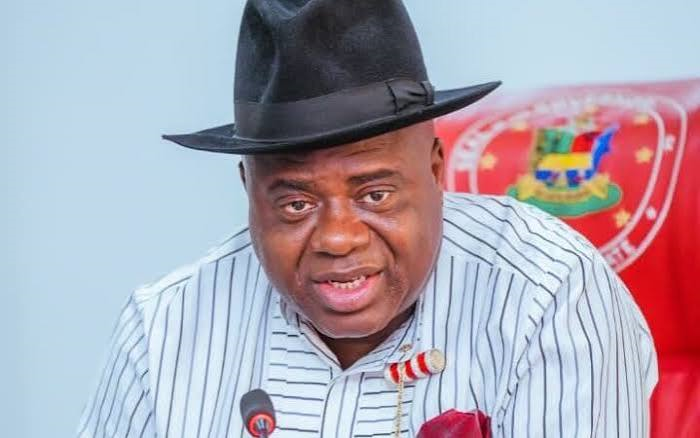
Governor Douye Diri has directed Bayelsa's Ministry of Health to begin free quarterly medical check-ups across all eight local government areas, aimed at helping residents who cannot afford routine screening and promoting early detection of diseases.
 Health
‘Priceless Gift of Sight’ Reaches 400,000 Beneficiaries
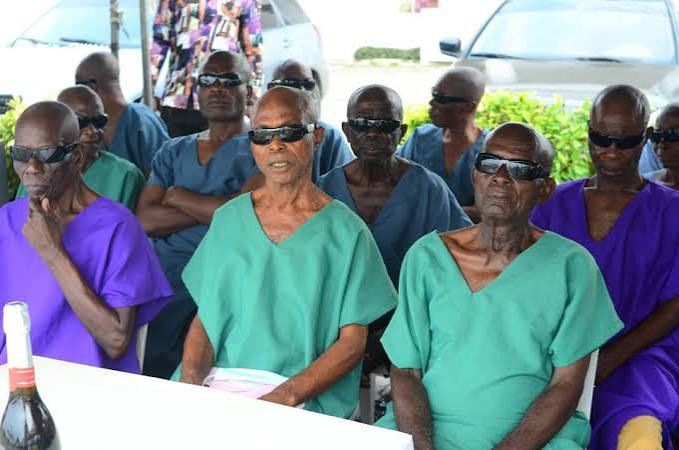
FCMB and the Tulsi Chanrai Foundation say their 15-year eye care partnership has reached over 400,000 Nigerians, as a World Sight Day roundtable in Abuja pushes for private-sector funding to sustain and expand care.
 Health
FUNAAB Launches Africa’s First AI Disease Surveillance System
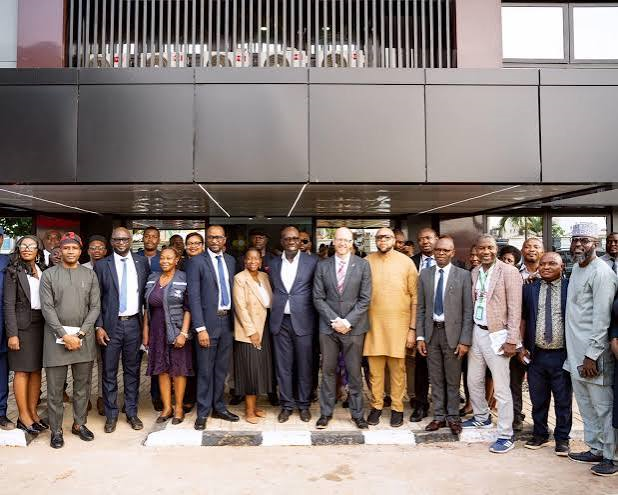
Researchers at the Federal University of Agriculture, Abeokuta, have developed IDS-Master, a groundbreaking AI-powered surveillance system that detects infectious disease outbreaks in real time by analysing reports from community leaders, health agents, and ordinary residents. Described as Africa's first fully AI-driven event-based surveillance platform, the innovation promises to bridge critical gaps in outbreak detection across underserved rural communities where delays in reporting can cost l
 Health
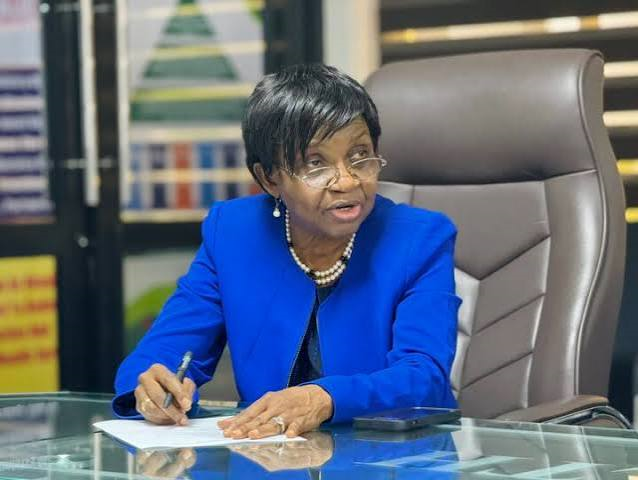
NAFDAC Seeks Global Partners for Local Vaccine Production
The Director-General of the National Agency for Food and Drug Administration and Control (NAFDAC), Prof. Mojisola Adeyeye, has called on international partners to support the establishment of vaccine manufacturing facilities in Nigeria, saying local production is the missing link in the agency’s push to attain World Health Organisation Maturity Level 4 for vaccine lot release. She spoke at the 8th Nigeria Pharma Manufacturers’ Expo in Lagos, where she commended President Bola Tinubu’s Executive
Comments (0)
Leave a comment
All comments are moderated before publishing. Your email is never published.