
UCH Resident Doctors Suspend Three-Day Warning Strike
Resident doctors at the University College Hospital, Ibadan, have suspended their three-day warning strike and resumed duty, but maintain demands for reliable electricity and water supply.
The Association of Resident Doctors at the University College Hospital (UCH), Ibadan, has suspended its three-day warning strike and directed members to resume work.
The association announced the decision in a memorandum issued to members on Thursday, following resolutions reached at an Emergency General Meeting held on October 8.
The memorandum was jointly signed by the association’s President, Dr Uthman Adedeji, and General Secretary, Dr Mary Awodiji.
It stated that the warning strike had been completed and directed members to return to their respective duty posts from 8:00 a.m. on Thursday, October 15.
The association also said its congress would receive updates on agreed timelines in the coming days.
The doctors began the warning strike on Monday, October 12, over persistent electricity failure and a chronic water shortage affecting the College of Medicine area of the hospital.
The association said prolonged power outages had created difficult living conditions for resident doctors and contributed to water scarcity in the area.
It called for the immediate restoration of electricity, urgent repairs to faulty circuit breakers and uninterrupted power supply to all parts of the affected area.
The doctors also expressed concern about the impact of the prolonged outage on residents’ welfare, public health and security.
The association had issued a seven-day ultimatum to the hospital management, running from October 12 to October 19, warning that it could embark on an indefinite strike if its demands remained unmet.
The suspension of the warning strike allows members to return to work while the association continues to monitor progress towards resolving the outstanding issues.
The development comes amid broader concerns about infrastructure and working conditions in Nigeria’s public healthcare institutions, where electricity and water supply are essential for patient care and the training of medical personnel.
Sponsored

Related stories
 News
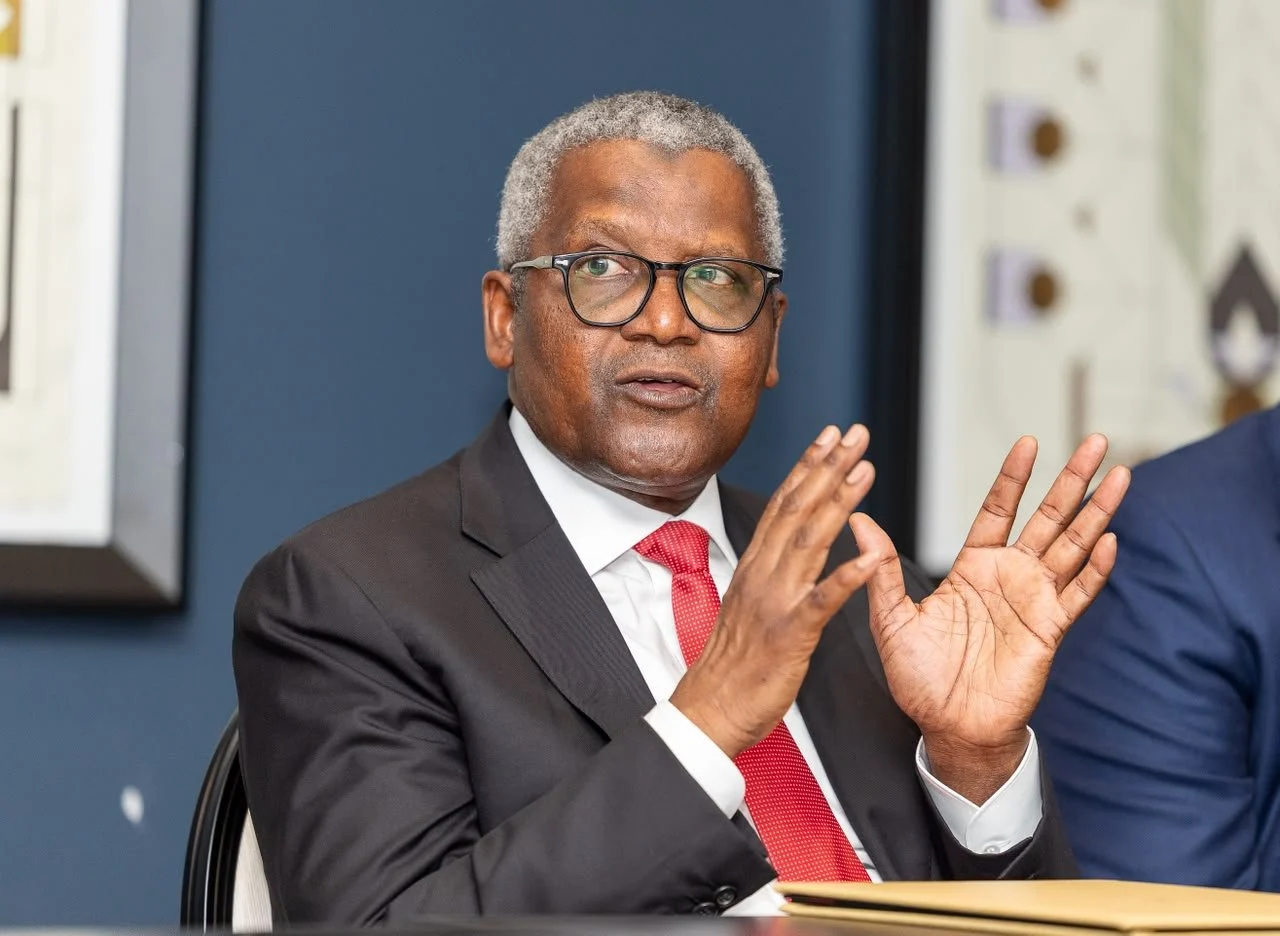
Dangote Eyes 500,000-Tonne Cocoa Deal in Ghana
Nigerian billionaire Aliko Dangote is in talks with Ghana to process 500,000 metric tonnes of cocoa locally under a proposed agreement aimed at expanding value addition.
 News
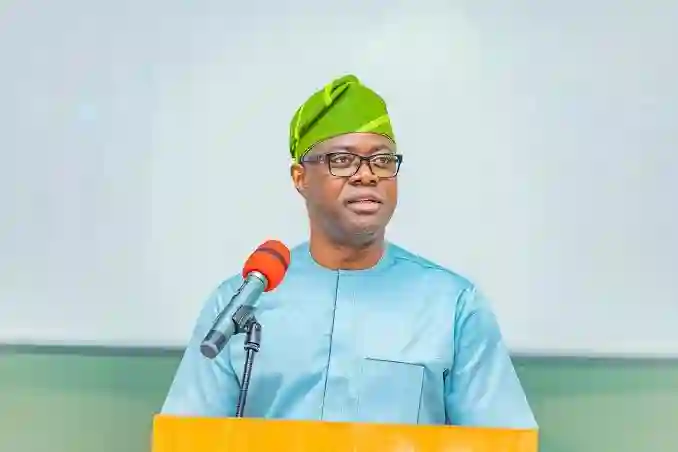
Oyo Begins Verification for Circular Road Compensation
Oyo State Government will begin verifying property owners affected by the second segment of the Ibadan Circular Road ahead of compensation payments.
 News
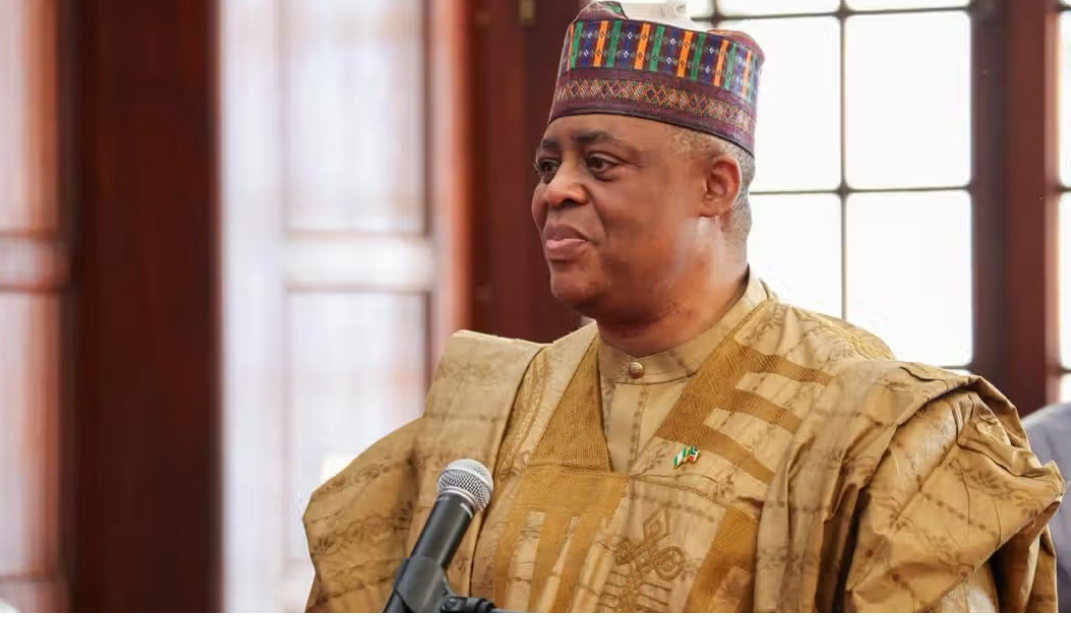
Fani-Kayode Accuses South African Presidency of Excluding His Speech from Letters of Credence Livestream
Nigeria’s High Commissioner to South Africa, Femi Fani-Kayode, has protested the omission of his speech from a presidential livestream, alleging deliberate exclusion.
 News
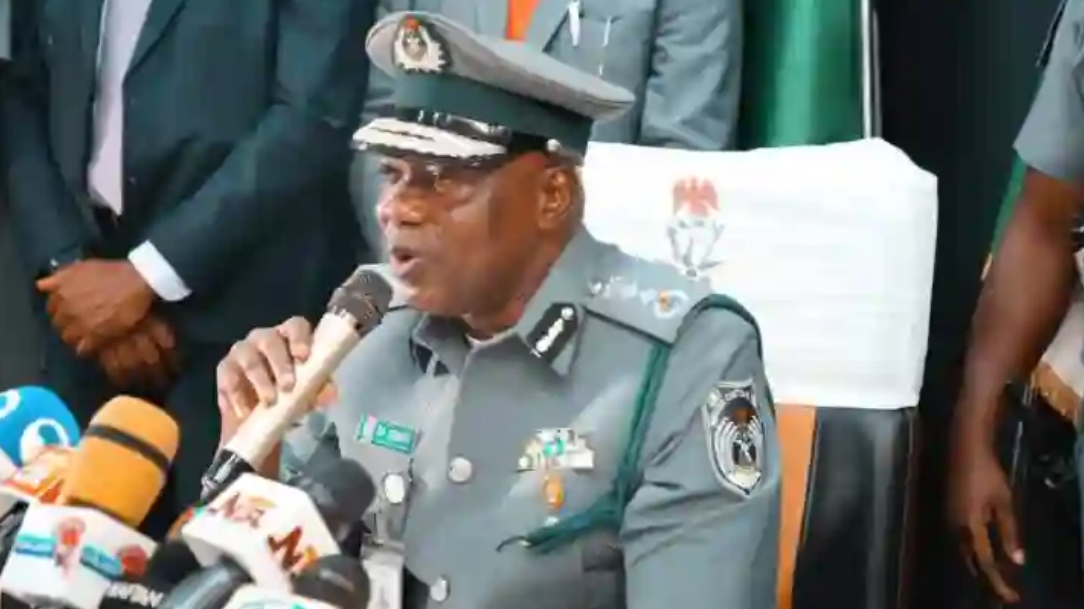
FCC Files Charges Against Customs CG Over Failure to Provide 2025/2026 Recruitment Information
The Federal Character Commission has filed criminal charges against Customs and its Comptroller-General over alleged breaches of recruitment monitoring and disclosure requirements.
Comments (0)
Leave a comment
All comments are moderated before publishing. Your email is never published.