
UCH Ibadan Health Workers Begin Indefinite Strike Over Unpaid Wages
Health workers at the University College Hospital (UCH), Ibadan, have embarked on an indefinite strike over unpaid salaries, allowances, and poor working conditions, paralysing services at Nigeria's foremost teaching hospital. The strike, declared after the expiration of a 21-day ultimatum to the hospital management and the Federal Government, has left thousands of patients stranded and raised fresh concerns about the collapse of tertiary healthcare in the country.

Health workers at the University College Hospital (UCH), Ibadan, have embarked on an indefinite strike to press home their demands for the payment of outstanding salaries, allowances, and the improvement of working conditions, grounding activities at Nigeria's premier teaching hospital and leaving thousands of patients stranded.
The strike, which commenced on Wednesday, September 17, 2026, followed the expiration of a 21-day ultimatum issued to the hospital management and the Federal Government to address the workers' demands. The aggrieved health workers, under the aegis of the Joint Health Sector Unions (JOHESU) and the Assembly of Healthcare Professional Associations (AHPA), said the strike became inevitable after all efforts to secure the payment of their entitlements through dialogue proved abortive.
Among the workers' demands are the payment of outstanding arrears of the Consolidated Health Salary Structure (CONHESS), the implementation of the adjusted CONHESS salary structure, the payment of skipping allowances, the settlement of arrears of the national minimum wage, and the release of funds for infrastructure development and equipment upgrade at the hospital. The workers also accused the hospital management of failing to address the acute shortage of manpower, which has left the few available staff overworked and demoralised.
Speaking with journalists at the hospital premises, the Chairman of JOHESU at UCH, Comrade Oladayo Oyeniyi, said the workers had exhausted all avenues for dialogue and had no option but to resort to industrial action. "We have been patient enough. We have written several letters, held several meetings, and made several appeals, but the government and the hospital management have continued to treat us with contempt," he said. "We cannot continue to work under these conditions. Our members are owed several months of salaries and allowances. How do you expect a worker who has not been paid to be productive?"
Oyeniyi said the strike would be total and indefinite until the government addresses all the issues raised by the workers. He warned that the action could cripple healthcare delivery not only at UCH but across the entire tertiary health sector, given the hospital's status as a referral centre for patients from across Nigeria and neighbouring countries. "UCH is not just a hospital for Oyo State. It is a national asset. When we shut down, the impact will be felt across the country," he said.
The strike has already begun to take a toll on patients and their families. At the hospital's main gate, hundreds of patients were seen stranded, with many expressing frustration and despair over the disruption to their treatment. A cancer patient who had travelled from Kwara State for her scheduled chemotherapy session was turned back, while a father whose son was awaiting surgery said he had been left with no option but to seek alternative care elsewhere. "I have been coming here for treatment for over a year. Now they say there is no service. Where do I go? Do they want me to die?" the patient asked.
Medical experts have warned that the indefinite strike could have devastating consequences for patients with chronic conditions, including those on dialysis, cancer treatment, and post-surgical care. The hospital's emergency unit, which had been operating at minimal capacity, has also been affected, raising concerns about the ability to respond to life-threatening emergencies.
The strike at UCH is the latest in a series of industrial actions that have disrupted healthcare delivery across Nigeria in recent months. Health workers across the country have repeatedly complained of poor remuneration, inadequate infrastructure, and a lack of support from the government, leading to a wave of strikes that has further weakened an already fragile healthcare system. The brain drain of medical professionals has compounded the crisis, with thousands of doctors and nurses emigrating in search of better opportunities abroad.
The hospital management has yet to issue a formal statement on the strike, but sources within the management said efforts were being made to engage the unions in dialogue to resolve the impasse. The Federal Ministry of Health has also been urged to intervene urgently to prevent the situation from escalating.
As the strike enters its first day, patients and their families are left to grapple with the consequences of a system that appears to be failing them. For the health workers, however, the strike represents a desperate plea for the government to prioritise their welfare and the future of Nigeria's healthcare system. The coming days will determine whether the government will act swiftly to address their demands or allow the strike to drag on, with potentially catastrophic consequences for millions of Nigerians who depend on UCH for their healthcare needs.
Sponsored
Related stories
 Health
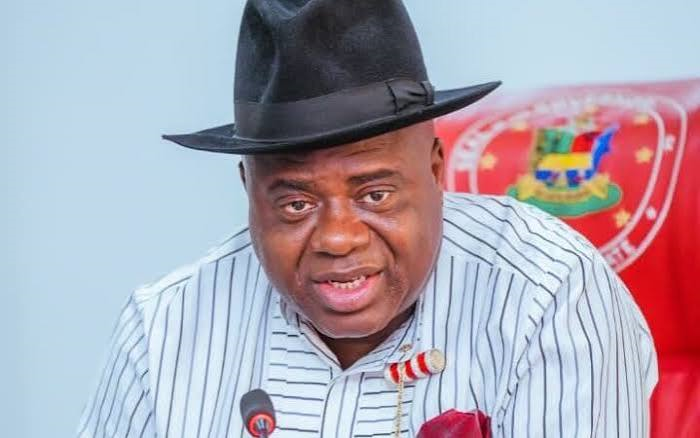
Diri Orders Free Quarterly Health Checks for All Bayelsa Residents at Secondary Facilities
Governor Douye Diri has directed Bayelsa's Ministry of Health to begin free quarterly medical check-ups across all eight local government areas, aimed at helping residents who cannot afford routine screening and promoting early detection of diseases.
 Health
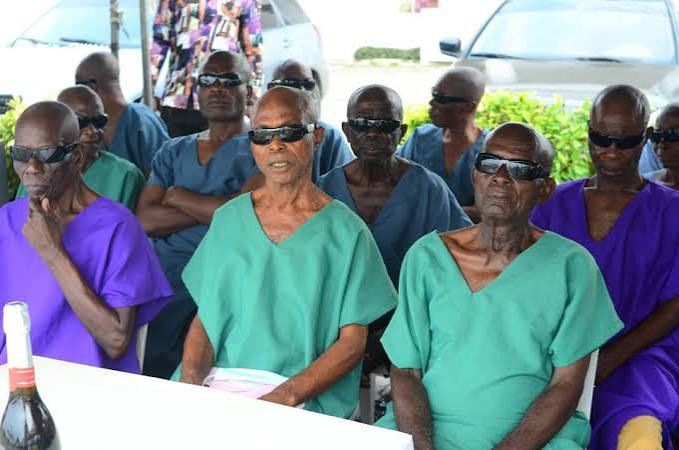
‘Priceless Gift of Sight’ Reaches 400,000 Beneficiaries
FCMB and the Tulsi Chanrai Foundation say their 15-year eye care partnership has reached over 400,000 Nigerians, as a World Sight Day roundtable in Abuja pushes for private-sector funding to sustain and expand care.
 Health
FUNAAB Launches Africa’s First AI Disease Surveillance System
Researchers at the Federal University of Agriculture, Abeokuta, have developed IDS-Master, a groundbreaking AI-powered surveillance system that detects infectious disease outbreaks in real time by analysing reports from community leaders, health agents, and ordinary residents. Described as Africa's first fully AI-driven event-based surveillance platform, the innovation promises to bridge critical gaps in outbreak detection across underserved rural communities where delays in reporting can cost l
 Health
NAFDAC Seeks Global Partners for Local Vaccine Production
The Director-General of the National Agency for Food and Drug Administration and Control (NAFDAC), Prof. Mojisola Adeyeye, has called on international partners to support the establishment of vaccine manufacturing facilities in Nigeria, saying local production is the missing link in the agency’s push to attain World Health Organisation Maturity Level 4 for vaccine lot release. She spoke at the 8th Nigeria Pharma Manufacturers’ Expo in Lagos, where she commended President Bola Tinubu’s Executive
Comments (0)
Leave a comment
All comments are moderated before publishing. Your email is never published.