
Tinubu Reforms Raise Oil Output by 80% — Lokpobiri
Lokpobiri says Nigeria’s oil production has risen above 1.8 million barrels daily following reforms under Tinubu.

Minister of State for Petroleum Resources (Oil), Heineken Lokpobiri, has said reforms introduced by President Bola Tinubu’s administration have increased Nigeria’s crude oil production by more than 80 per cent.
Lokpobiri made the statement in Yenagoa, Bayelsa State, during a breakfast meeting with media representatives focused on the gains recorded in the oil sector under the current administration.
The minister said Nigeria was producing less than one million barrels of crude oil and condensate per day when the Tinubu administration assumed office in 2023.
He said production had since increased to 1.824 million barrels per day, including condensate, based on the latest weekly report of the Nigerian Upstream Petroleum Regulatory Commission.
“Condensate is not counted by OPEC. As of the last weekly report from NUPRC, we are producing 1,824,000 barrels per day inclusive of condensate. That is over 80 per cent from where we started in 2023,” Lokpobiri said.
The minister attributed the increase to reforms, renewed investment and greater activity across the upstream oil sector.
He said the number of active drilling rigs had also increased significantly, rising from fewer than 10 when the administration took office to more than 70.
Lokpobiri said the government’s approval of major divestments involving international oil companies had also helped unlock investment in new and existing oil assets.
He cited the approvals involving Shell and Renaissance, as well as ExxonMobil and Seplat, saying the transactions had helped facilitate investments in projects including Bonga North, Bonga South-West and Zabazaba.
The minister further said indigenous oil companies now account for about 60 per cent of Nigeria’s crude oil production, compared with the dominance of international oil companies in previous years.
He also defended the removal of the petrol subsidy, describing the policy as necessary to reduce the financial burden on government and increase revenues available for distribution to the three tiers of government.
Lokpobiri said the reforms were designed to improve investment, increase production and strengthen the long-term sustainability of Nigeria’s petroleum industry.
He added that the government would continue working with operators and other stakeholders to further increase production and attract more investment into the sector.
Sponsored

Related stories
 News
News
$1bn Arms Fund Row Erupts Again, Buratai Demands Defence Ministry Explain Spending
Former army chief says the Ministry of Defence managed the $1 billion arms fund and must explain how it was spent.
 News
News
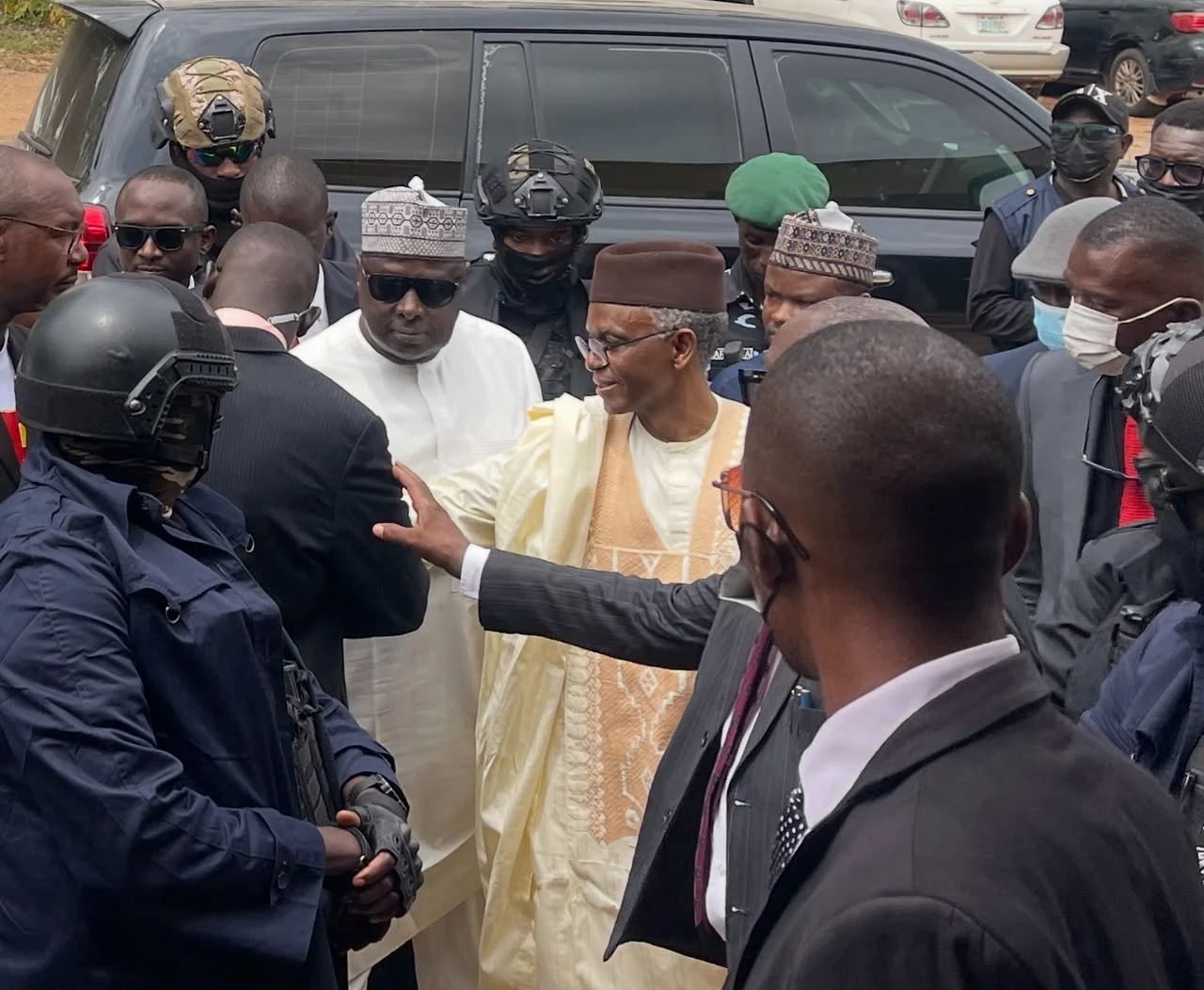
El-Rufai Returns to Court as Corruption Trial Resumes, Bail Appeal Fails
Fails Excerpt: Former Kaduna governor faces renewed trial proceedings after the Court of Appeal upheld his detention, with multiple financial allegations still before the courts.
 News
News
FG Unveils Digital Platform, Targets $100bn from Tourism, Creative Economy
Government launches D30 to connect investors with tourism and creative opportunities, targeting three million jobs by 2030.
 News
News
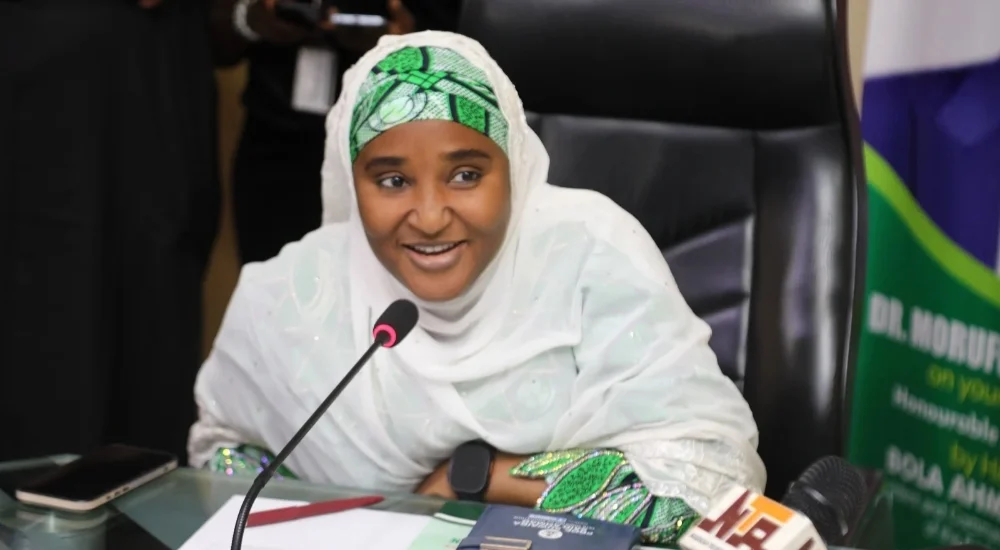
FG Urges Varsities to Adopt AI, Strengthen Regulatory Compliance
Education Minister Suwaiba Ahmad urges universities to embrace AI responsibly while improving governance, accountability and compliance with standards.
Comments (0)
Leave a comment
All comments are moderated before publishing. Your email is never published.