
The Day After UNGA81: Real African Sovereignty Demands Industrial Power Beyond the Handshakes
Africa’s diplomatic reach is expanding, but true sovereignty depends on turning partnerships into productive industrial capacity.
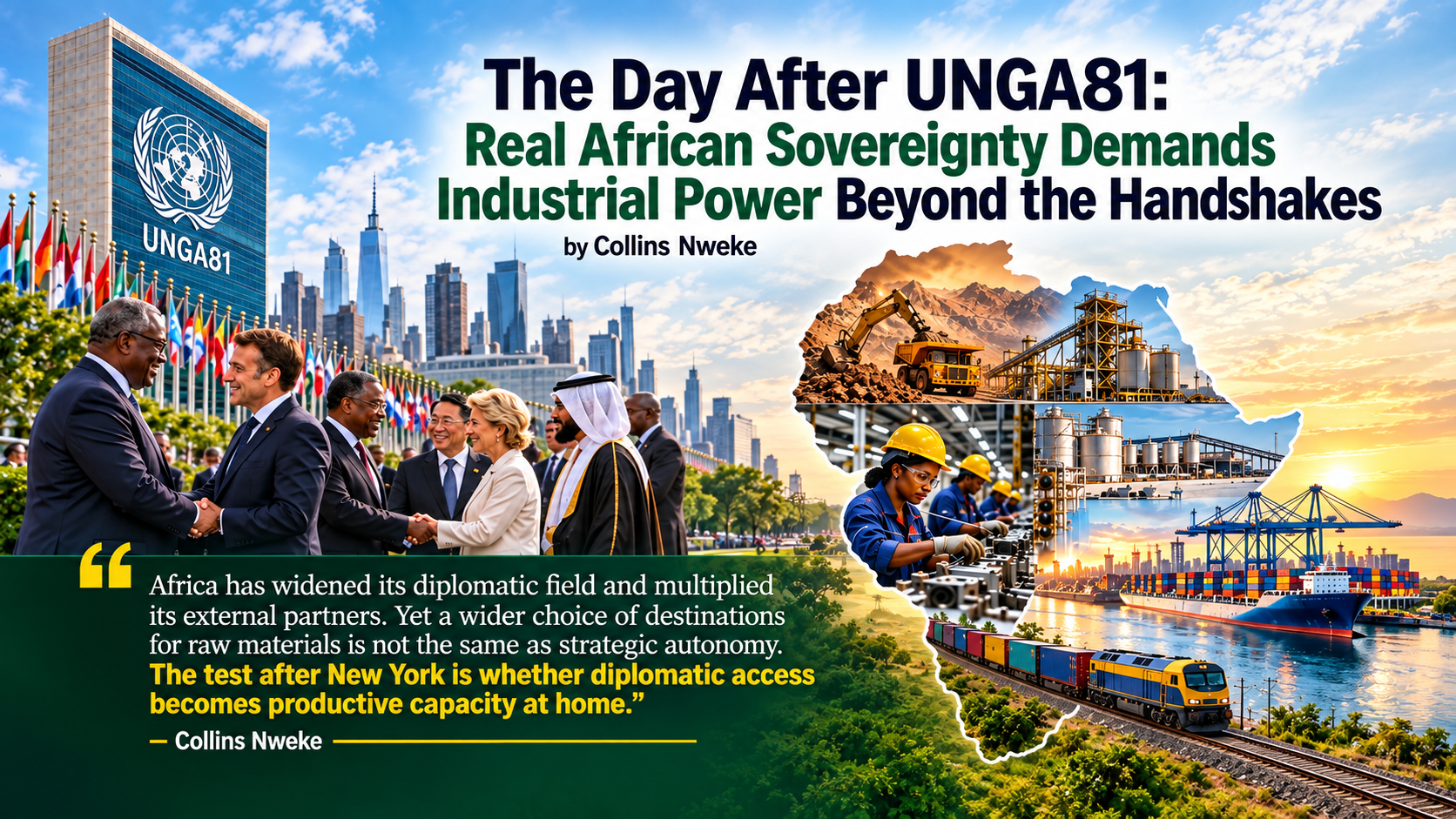
Collins Nweke, an International Trade Consultant, Economic Diplomacy researcher and Global Affairs Analyst, is a former Belgian politician of Nigerian origin and three-term councillor at Ostend City Council, Belgium. He currently serves as Vice-Chairperson of the Global Advisory Council of the Great Nigerian Assembly (GNA).
In this analysis, Nweke examines what Africa must do beyond UNGA81 diplomacy to build stronger industrial capacity, regional value chains and greater control over its resources.
Read his full analysis below.
The morning after New York, the motorcades are leaving Manhattan. Bilateral readouts have been issued, while photographs of presidents, ministers and institutional leaders shaking hands circulate across official platforms, accompanied by familiar words such as partnership, solidarity, transformation and shared prosperity.
Africa arrived at the 81st United Nations General Assembly with an agenda worth defending. The African Union pushed for a stronger African voice in global decision-making, reform of the international financial architecture, greater value from the continent’s critical minerals, climate justice and implementation of Agenda 2063.
These diplomatic engagements matter. In an unsettled international environment, access to several centres of power can reduce dependence on any single partner. But the more important question begins when the applause ends:
What, exactly, changes on the day after UNGA81?
The answer should be visible in factories, power systems, laboratories, ports and regional markets.
A diplomatic meeting has economic meaning only when it moves through a chain of conversion: from access to a negotiated commitment, from commitment to an investable project, from a project to productive capacity, and from productive capacity to measurable African value.
Too many partnerships stop near the beginning of that chain.
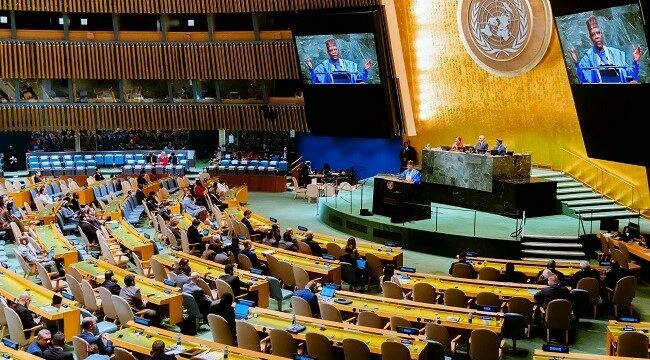 African leaders and diplomats at the United Nations General Assembly in New York during UNGA81.
Many Partners, the Same Economic Position
Africa’s external relationships are undoubtedly more diverse than they were a generation ago.
Europe remains a central economic partner. China is a major source of trade and infrastructure investment. The United States is renewing its economic and security interest in Africa. Gulf states are expanding their investments, while India and Türkiye have deepened their commercial reach. Russia, meanwhile, has cultivated security and political relationships across parts of the continent.
This diversification gives African governments more room to compare offers, resist exclusive blocs and negotiate across competing interests.
That is diplomatic multi-alignment.
But it becomes structural multi-alignment only when African economies gain the capacity to determine what they produce, where value is added, how technology is acquired and which markets they can serve.
The trade figures expose the gap.
The World Trade Organization estimated that intermediate goods accounted for 77 per cent of Africa’s non-fuel merchandise exports in 2022, worth about US$312 billion. Yet these exports remained heavily dominated by raw and semi-processed materials.
Only 12.8 per cent of Africa’s intermediate-goods exports stayed within the continent, compared with roughly one-third within Asia and Europe.
Africa is therefore well connected to global production, but too often at its earliest and lowest-value stages.
Critical minerals make the contradiction even clearer.
Africa holds about 30 per cent of global critical-mineral reserves, according to the UN Economic Commission for Africa, yet captures less than 5 per cent of the associated value added.
The continent may sell cobalt to one partner, lithium to another and manganese to a third. But unless processing, engineering, intellectual property, skilled employment and supplier development move closer to the mine, changing the buyer does not fundamentally change the economic relationship.
That is diversification of destinations, not diversification of power.
When Choice Reproduces Extraction
Multi-alignment has genuine advantages. It can broaden financing options, create competitive tension among external partners and give African states greater room to protect their interests.
It can also reduce exposure to sanctions, political conditionality or sudden changes in the priorities of a single partner.
But the trade-offs are equally important.
Competing powers may offer faster financing while seeking sovereign guarantees, privileged access to resources or procurement arrangements that favour their own companies. A minerals agreement may promise local processing while leaving technology, pricing, insurance and marketing largely outside Africa.
An infrastructure project may improve an export corridor without developing local suppliers. Security cooperation may address an immediate challenge while creating new constraints on diplomatic flexibility.
There is another structural problem: processing itself is concentrated.
The International Energy Agency reported in 2026 that refining concentration across energy minerals reached record levels in 2025. China accounted for more than 90 per cent of global refining in gallium, graphite, manganese and rare earths.
Africa therefore often negotiates with partners that control several parts of the value chain, including finance, technology, offtake arrangements and access to downstream markets.
A mining licence alone cannot correct that imbalance.
The practical danger is multi-partner extraction: several flags, several summit formats and several memoranda, all feeding essentially the same enclave economy.
Governments gain diplomatic visibility, but the structure of production changes little.
The sovereignty dividend remains limited because domestic companies, workers and public institutions lack the capacity to capture a larger share of the value created from Africa’s resources.
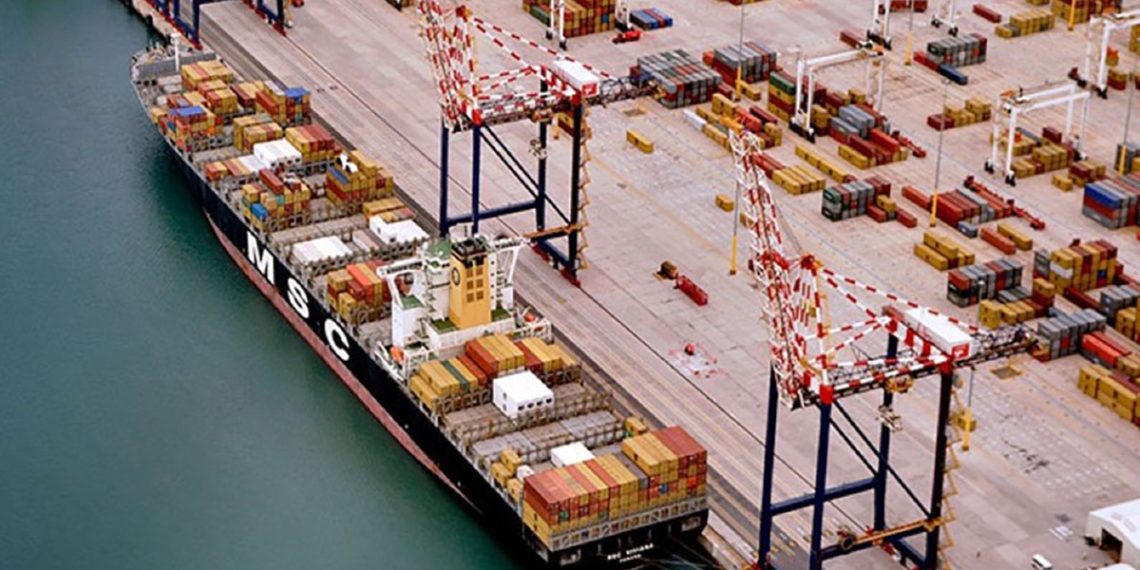 Africa’s challenge is not simply attracting external partners, but ensuring that investment creates deeper production and value chains within the continent.
The Industrial Meaning of Sovereignty
Industrial policy is sometimes treated as a narrow economic issue.
In today’s international system, it is also an instrument of foreign policy.
A country that cannot refine its resources, generate reliable power, finance long-term investment or move goods efficiently has limited room to translate diplomatic choice into economic choice.
Nigeria’s Dangote refinery offers a useful, although incomplete, illustration.
The United States Energy Information Administration reported that Nigeria’s seaborne petroleum-product shipments averaged 561,000 barrels a day in the second quarter of 2026, compared with 79,000 barrels a day in 2023. Product exports increased sharply while imports declined.
That represents a shift away from a model centred overwhelmingly on exporting crude and importing refined petroleum products towards retaining a larger processing function within Nigeria.
It does not eliminate Nigeria’s dependence on hydrocarbons, nor does one privately controlled facility constitute broad industrial transformation.
But it demonstrates an important principle: ownership of conversion capacity can change trade flows and bargaining power.
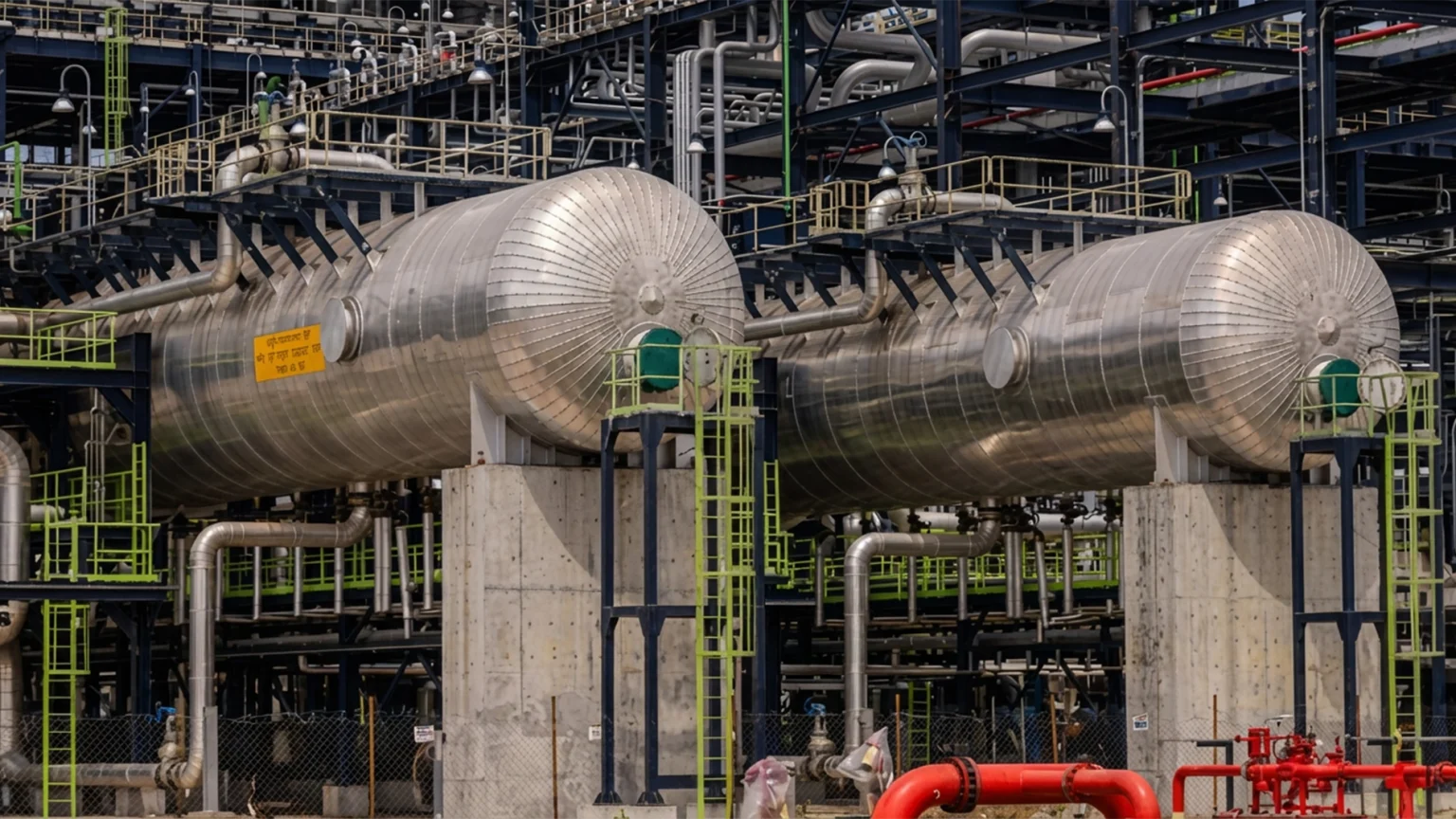 The Dangote Refinery in Lagos illustrates the importance of domestic processing capacity in changing Nigeria’s position in petroleum trade.
Similar lessons can be drawn from Morocco’s automotive ecosystem and from efforts in Southern and Central Africa to process minerals before export.
The strongest examples combine infrastructure, skills, standards, local suppliers and reliable markets.
Export restrictions without power, finance and technology, however, can simply strand production or encourage evasion.
This is why the African Continental Free Trade Area matters beyond tariff reduction.
The World Bank’s 2026 report on African integration notes that intra-African trade accounts for only about 15 to 20 per cent of total trade. Yet such trade is more diversified and manufacturing-intensive than Africa’s external trade.
Regional production networks can give African companies the scale required to process minerals, manufacture components and provide services that many individual national markets cannot support on their own.
AfCFTA will not industrialise the continent by proclamation.
It requires interoperable customs and payment systems, reliable transport and power corridors, enforceable rules, development finance and deliberate regional specialisation.
The objective is not for every African country to build an entire battery or automobile industry.
The objective is for African countries to occupy complementary stages of value chains and negotiate with external partners from the strength of a functioning regional market.
What Should Follow UNGA81?
Every major external engagement should now face a common African conversion test.
Before another communiqué is celebrated, governments and regional institutions should be able to answer five basic questions.
Value retained: What share of processing, supplier spending, skilled employment, tax revenue and export earnings will remain in Africa?
Capability transferred: Which technologies, licences, engineering functions and management skills will African companies and institutions acquire?
Regional link created: Does the project connect African producers and markets, or does it simply accelerate extraction towards a port?
Risk allocated: Who bears the price, currency, debt, environmental and demand risks when assumptions fail?
Delivery verified: Which institution will publish milestones, contract terms where possible and annual results after the summit photographs have disappeared?
These questions do not amount to a rejection of foreign capital, nor do they require Africa to turn inward.
The continent needs investment, technology and markets from a wide range of partners.
The real issue is the quality of the bargain and the capacity to implement it.
Strategic autonomy is strengthened when external relationships widen Africa’s productive options rather than lock the continent into a familiar division of labour.
African states must also become more disciplined in presenting projects.
International partners are more likely to respond to credible, bankable regional plans than to broad calls for investment. Governments should enter negotiations with clear sector maps, power requirements, logistics gaps, skills plans and procurement targets.
The diplomatic calendar should follow an industrial strategy, rather than substitute for one.
Beyond the Handshakes
UNGA81 chose the theme of restoring trust and managing transformation.
For Africa, trust will depend partly on whether global partners honour their commitments.
Transformation, however, will depend even more on what African institutions build, coordinate and enforce after their leaders return home.
The continent’s expanding diplomatic space is an asset and should be preserved.
But a state is not strategically autonomous simply because it can choose among several buyers for its unprocessed minerals.
It becomes more autonomous when it can decide to refine, manufacture, regulate, finance and trade through its own companies and regional networks.
The applause in New York will fade quickly.
The real measure of UNGA81 now moves from the General Assembly Hall to African ministries, factories, ports, laboratories, power systems and regional markets.
Handshakes can open doors.
Productive capacity determines who walks through them with power.
Real African sovereignty will ultimately be measured by how effectively the continent converts diplomatic access into industrial capability and measurable value at home.
“Africa has widened its diplomatic field and multiplied its external partners. Yet a wider choice of destinations for raw materials is not the same as strategic autonomy. The test after New York is whether diplomatic access becomes productive capacity at home.”
Collins Nweke
Sponsored

Related stories
 News
News
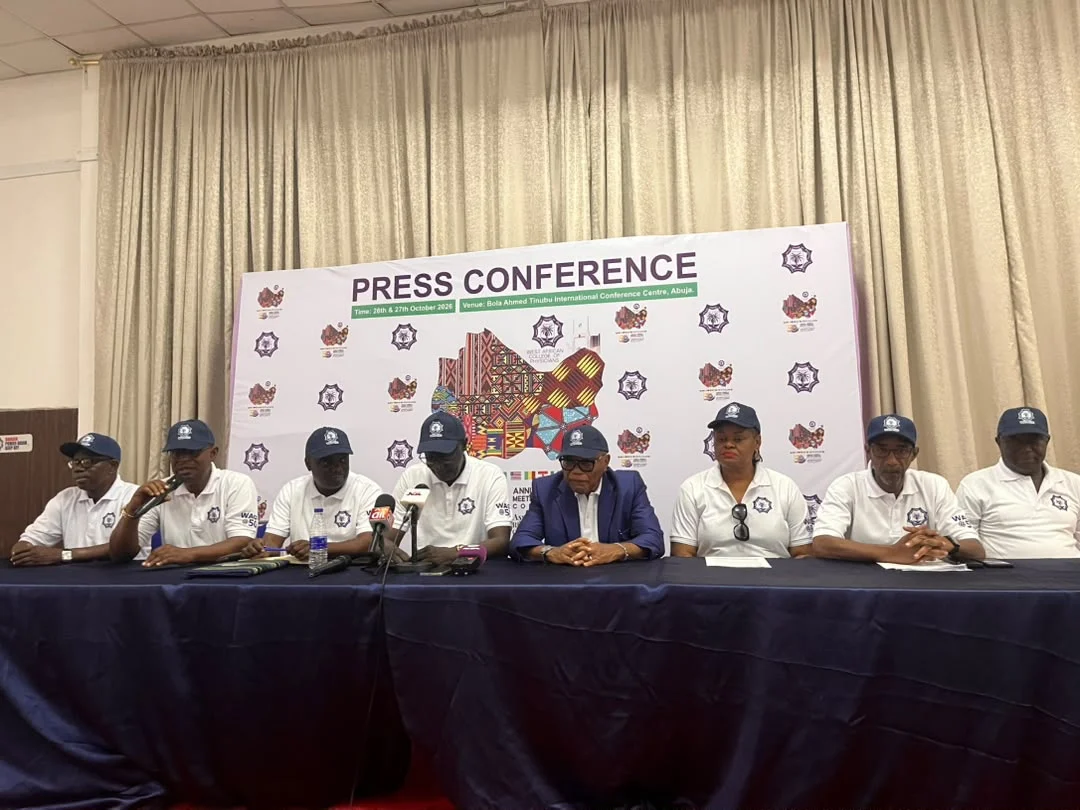
Tinubu Urges Medical College To Solve Doctor ‘Japa’ Syndrome
President Bola Tinubu has tasked the West African College of Physicians with developing practical solutions to doctors’ migration and West Africa’s medical brain drain.
 News
News
Shoprite Set To Open Neighbourhood Stores After Shutdown
Shoprite Nigeria plans to open standalone neighbourhood stores after reopening three outlets, as investors pursue a strategy to cut costs and revive operations.
 News
News
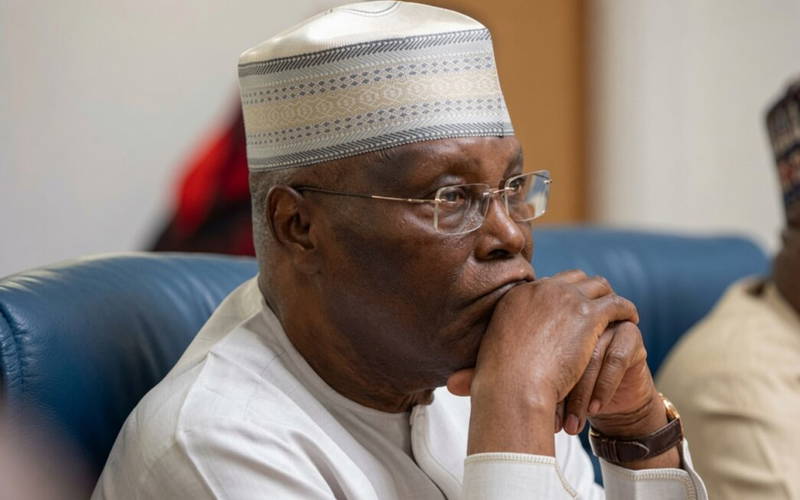
Blaming Opposition For Hunger Is ‘Delusion’ — Atiku Tells Tinubu
Atiku Abubakar has accused President Tinubu of evading responsibility for Nigeria’s economic hardship after blaming opposition politicians for hunger and poverty.
 News
News
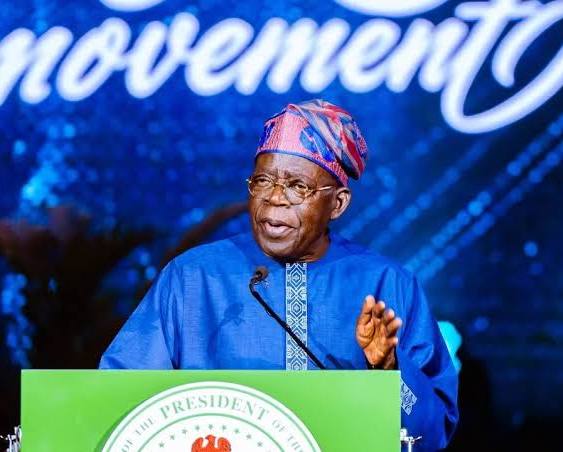
Tinubu Accuses Opposition of Creating Hunger, Poverty
President Bola Tinubu has accused opposition parties of creating the hunger and poverty they now criticise his administration over, insisting that his government is working to eradicate hardship and deliver economic prosperity.
Comments (0)
Leave a comment
All comments are moderated before publishing. Your email is never published.