
2027, Onaiyekan Urges INEC to Let Nigerians Freely Choose Their Leaders
Cardinal John Onaiyekan has urged INEC to ensure Nigerians can freely choose their leaders in the 2027 elections without political interference.
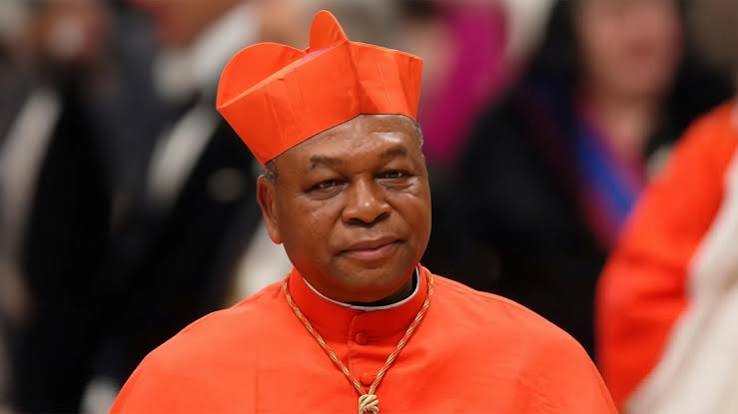
Archbishop Emeritus of Abuja, Cardinal John Onaiyekan, has urged the Independent National Electoral Commission (INEC) to ensure that Nigerians are allowed to freely choose their leaders in the 2027 general elections.
Onaiyekan made the call while speaking at the 2026 All Nigeria Editors Conference in Enugu, where he called for reforms to strengthen Nigeria’s electoral system and protect voters’ choices.
He said elected officials, including governors, should not determine how citizens vote, stressing that voters should be free to make their own choices at the ballot box.
The Cardinal’s comments followed concerns over political statements seeking to influence voters ahead of the 2027 presidential election.
Onaiyekan particularly said people in the South-East should be allowed to choose their preferred presidential candidate without interference from governors or other political leaders.
He said elections provided citizens with an opportunity to express their political preferences and urged Nigerians to exercise that right freely.
The cleric also called for a review of the process for appointing the chairman and commissioners of INEC, arguing that the electoral body needed greater independence from political office holders who participate in elections.
He said the current arrangement created a structural challenge because the government was involved in appointing INEC officials while those in government could also be contestants in elections.
Onaiyekan further advocated giving voters legal standing to challenge election results where they believed their votes had not been properly counted.
He proposed the establishment of dedicated election tribunals with strict timelines, saying electoral disputes should be resolved before elected candidates are sworn into office.
He also called for a two-round presidential election system in which a candidate would need to secure at least 50 per cent of votes cast to win outright.
Onaiyekan said the judiciary should primarily settle electoral disputes rather than effectively determine who governs, arguing that elections should be decided by voters at polling stations.
He urged political actors and electoral institutions to work within the existing legal framework to deliver free, fair and credible elections in 2027, while encouraging the next National Assembly to pursue broader electoral reforms.
Sponsored

Related stories
 News
News
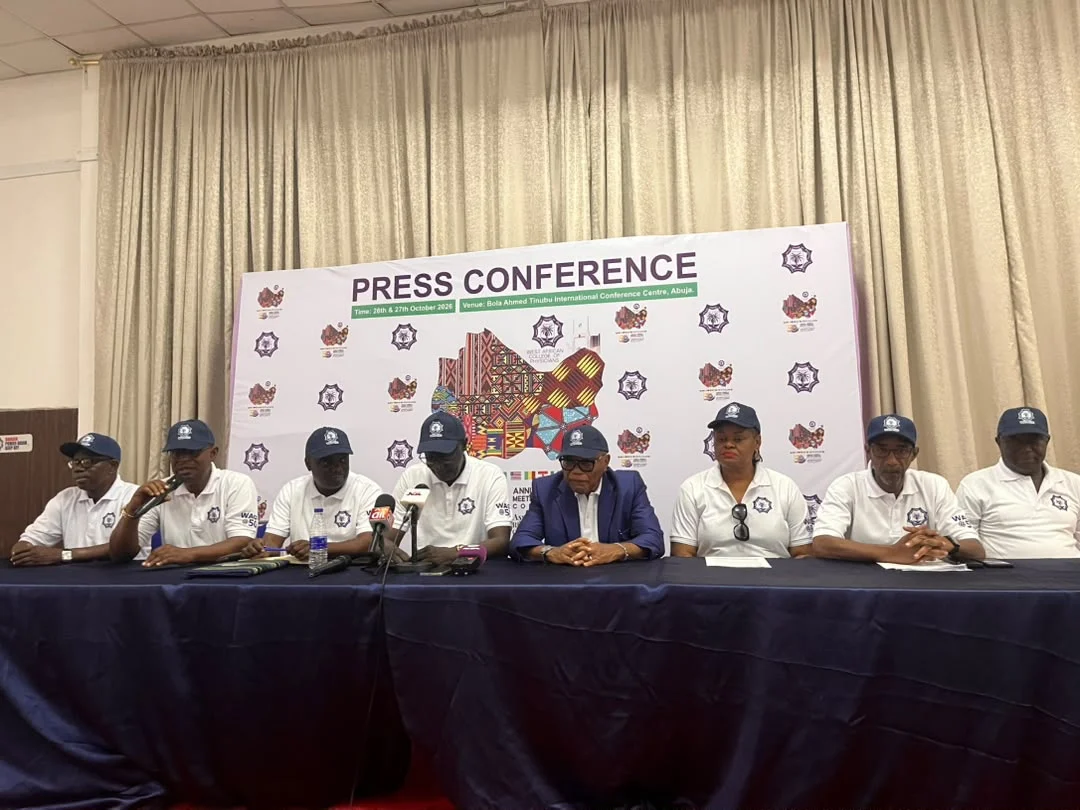
Tinubu Urges Medical College To Solve Doctor ‘Japa’ Syndrome
President Bola Tinubu has tasked the West African College of Physicians with developing practical solutions to doctors’ migration and West Africa’s medical brain drain.
 News
News
Shoprite Set To Open Neighbourhood Stores After Shutdown
Shoprite Nigeria plans to open standalone neighbourhood stores after reopening three outlets, as investors pursue a strategy to cut costs and revive operations.
 News
News
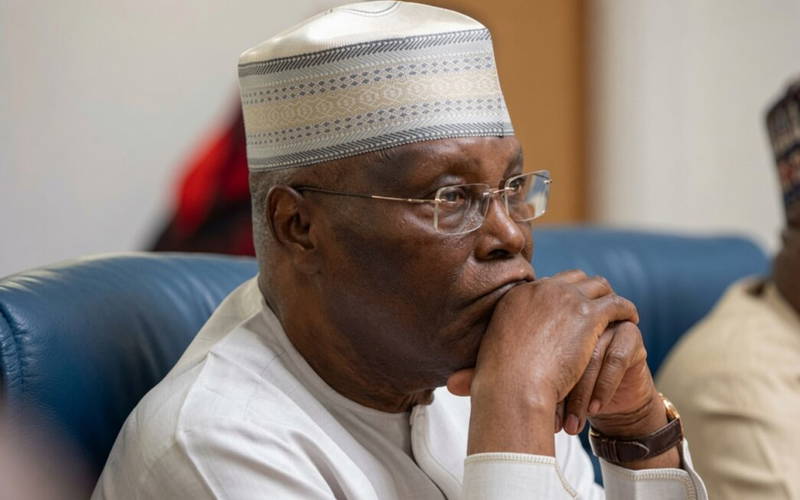
Blaming Opposition For Hunger Is ‘Delusion’ — Atiku Tells Tinubu
Atiku Abubakar has accused President Tinubu of evading responsibility for Nigeria’s economic hardship after blaming opposition politicians for hunger and poverty.
 News
News
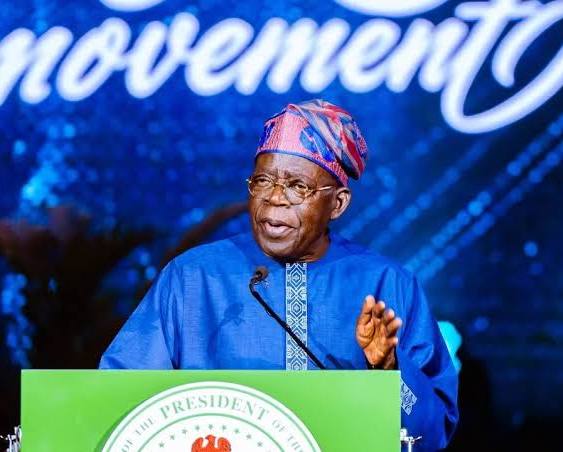
Tinubu Accuses Opposition of Creating Hunger, Poverty
President Bola Tinubu has accused opposition parties of creating the hunger and poverty they now criticise his administration over, insisting that his government is working to eradicate hardship and deliver economic prosperity.
Comments (0)
Leave a comment
All comments are moderated before publishing. Your email is never published.