
Atiku Says Tinubu Made Life Painfully Expensive, Backs Wage Increase
Former Vice-President Atiku Abubakar has backed calls for an increase in Nigeria’s minimum wage, saying rising costs have eroded workers’ purchasing power.
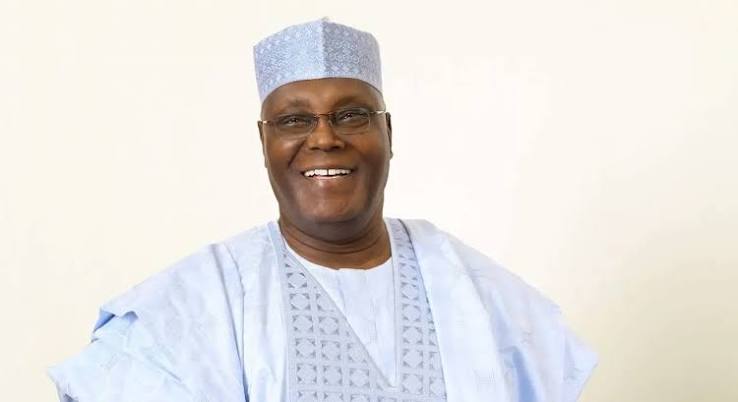
Former Vice-President and African Democratic Congress (ADC) presidential candidate Atiku Abubakar has backed organised labour’s demand for a substantial increase in the national minimum wage.
Atiku, in a statement issued by Phrank Shaibu, Director of Strategic Communications of the ADC Presidential Campaign Council, criticised President Bola Tinubu’s economic policies, saying rising fuel, food, transport and housing costs had weakened workers’ purchasing power.
He argued that the increase in the minimum wage from N30,000 to N70,000 had failed to adequately protect workers from the rising cost of living.
Atiku said that at a petrol price of N1,400 per litre, the current N70,000 monthly minimum wage could buy about 50 litres of petrol, compared with about 118 litres that N30,000 could purchase when petrol averaged N254.06 per litre in April 2023.
“The payslip has grown, but the fuel it can buy has more than halved,” Atiku said, arguing that higher wages had been overtaken by increases in essential expenses.
He also said Nigeria’s minimum wage compared poorly with those of some other African and oil-producing countries when converted using exchange rates cited in his statement.
According to him, Libya’s monthly minimum wage was equivalent to about N213,000, Algeria’s N245,000, Equatorial Guinea’s N302,000 and Gabon’s N351,000 based on exchange rates from July 24, 2026. He acknowledged that wage structures and living costs differed across countries but maintained that N70,000 was inadequate under current conditions.
Atiku attributed part of the pressure on households to the removal of the petrol subsidy, saying higher fuel prices had contributed to increased transportation and other living costs.
He called on Tinubu to agree to a substantial increase in the minimum wage that reflects the prevailing costs of food, transport, rent and electricity.
Atiku said that if elected in 2027, his administration would begin work on raising the wage floor from its first day in office, alongside measures aimed at reducing living costs.
He proposed targeted support for domestically refined petroleum products, subject to spending limits, public accounting and independent auditing.
Atiku also called for targeted social protection and measures to support domestic production and stabilise the prices of essential goods and energy.
The renewed debate comes amid calls from organised labour for a review of the N70,000 minimum wage, with labour leaders arguing that rising prices have reduced its purchasing power.
Sponsored

Related stories
 News
News
Shoprite Set To Open Neighbourhood Stores After Shutdown
Shoprite Nigeria plans to open standalone neighbourhood stores after reopening three outlets, as investors pursue a strategy to cut costs and revive operations.
 News
News
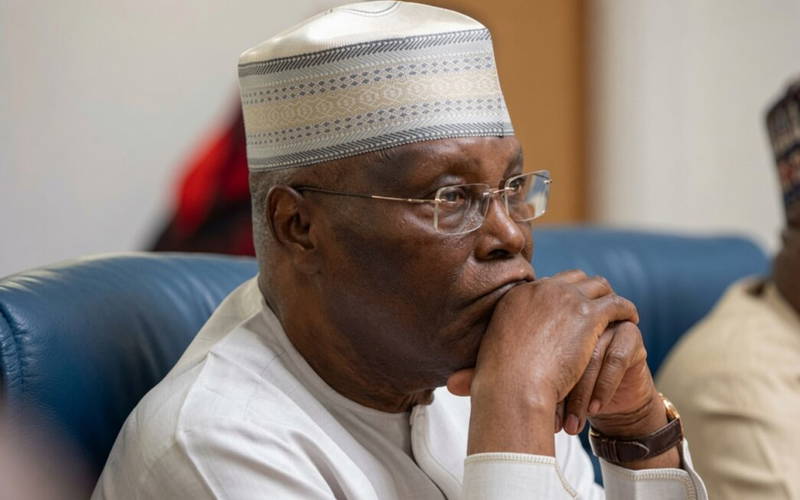
Blaming Opposition For Hunger Is ‘Delusion’ — Atiku Tells Tinubu
Atiku Abubakar has accused President Tinubu of evading responsibility for Nigeria’s economic hardship after blaming opposition politicians for hunger and poverty.
 News
News
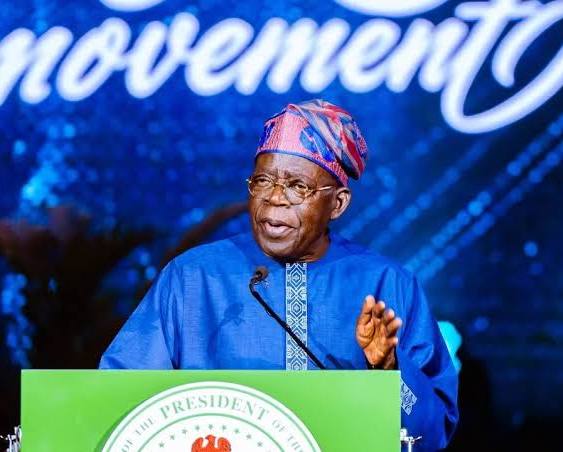
Tinubu Accuses Opposition of Creating Hunger, Poverty
President Bola Tinubu has accused opposition parties of creating the hunger and poverty they now criticise his administration over, insisting that his government is working to eradicate hardship and deliver economic prosperity.
 News
News
UNICEF, Sokoto Target One Million Children for Polio Vaccination
UNICEF and the Sokoto State Government are intensifying efforts to protect children against polio through vaccination, community mobilisation and public awareness, with emphasis on reaching every eligible child and addressing vaccine hesitancy.
Comments (0)
Leave a comment
All comments are moderated before publishing. Your email is never published.