
Tesla Unveils Flying Car Prototype, Eyes 2028 Production
Tesla has unveiled a rocket-assisted Roadster prototype capable of brief airborne movements, with production targeted for 2028, although regulatory approval remains uncertain.
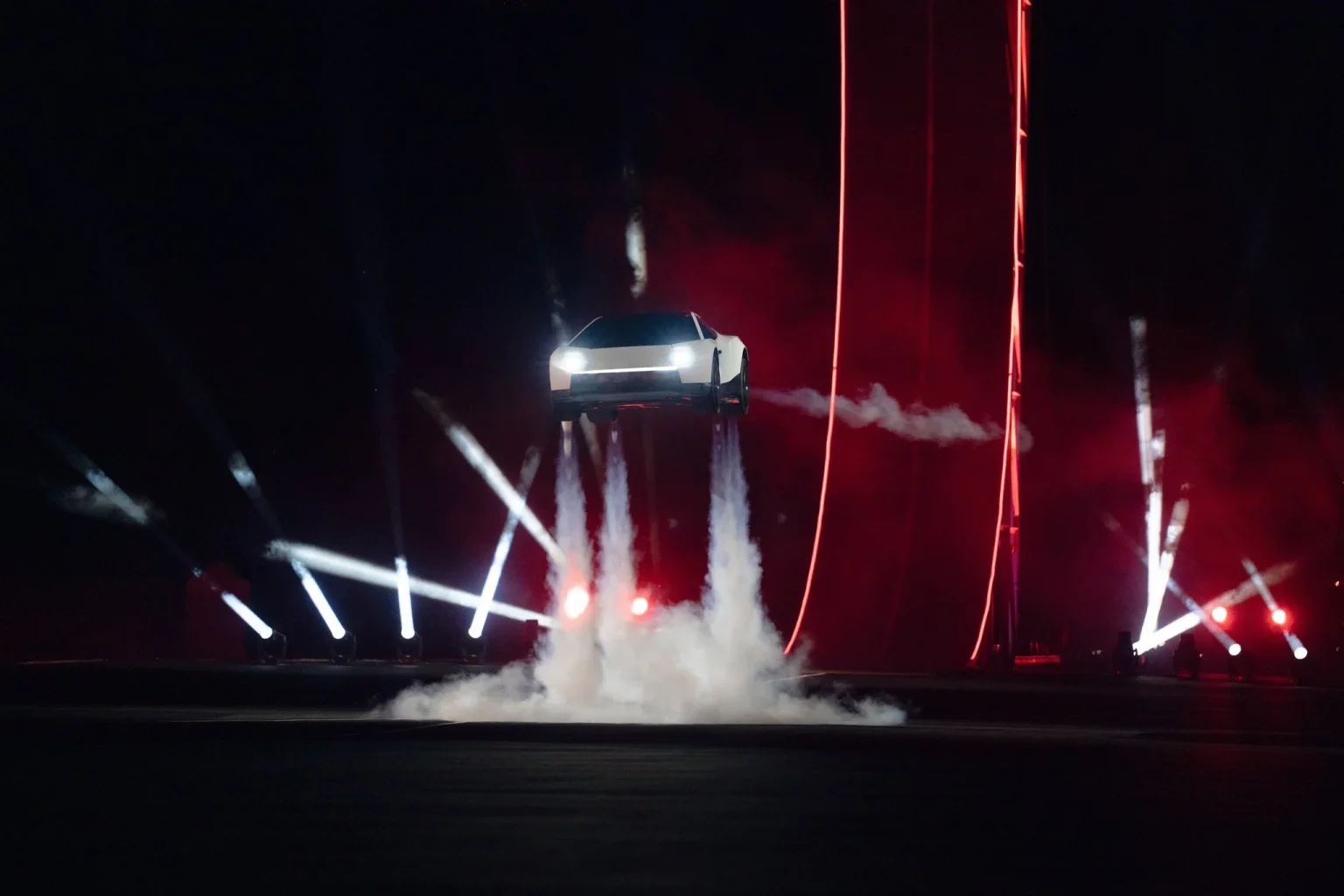
Tesla has unveiled a new version of its Roadster electric sports car featuring rocket-assisted technology capable of lifting the vehicle briefly into the air, with production targeted for 2028.
The prototype was demonstrated on Thursday at a SpaceX testing facility in McGregor, Texas, during an event hosted by Tesla Chief Executive Officer Elon Musk. The presentation showcased the vehicle performing unusual manoeuvres, including driving upside down, making short airborne movements and landing using built-in thrusters.
The vehicle was developed through collaboration between Tesla and SpaceX, the aerospace company also led by Musk. It uses high-pressure air tanks and cold-gas thrusters to generate thrust, allowing the car to perform brief aerial movements.
Musk described the project as a demonstration of what could be achieved by combining the engineering capabilities of the electric vehicle manufacturer with SpaceX’s rocket technology.
The unveiling marks a new development for the next-generation Roadster, which Tesla first announced in 2017. The vehicle’s production had faced repeated delays, with earlier plans for customer deliveries postponed several times.
Musk has now identified 2028 as the target for production, although significant technical and regulatory questions remain before the rocket-assisted version could be used widely.
Reports indicate that Tesla intends to offer different versions of the Roadster, including a rocket-equipped model designed to lift off the ground. However, the flying version has not been approved for use on public roads, and its eventual operating restrictions remain uncertain.
Experts have also highlighted the engineering challenges of combining a road vehicle with aircraft-like capabilities. Cars require safety structures and components that add weight, while aircraft must meet strict weight, stability and flight-performance requirements.
The demonstration therefore does not establish that the vehicle can sustain flight like a conventional aircraft or operate as an everyday flying car.
The project adds to Musk’s broader ambitions in transportation and aerospace technology, while raising questions about commercial practicality, safety certification and the cost of bringing such a vehicle to market.
Whether Tesla can meet its 2028 production target will depend on further engineering development and the resolution of regulatory requirements.
Sponsored

Related stories
 News
Dangote Eyes 500,000-Tonne Cocoa Deal in Ghana
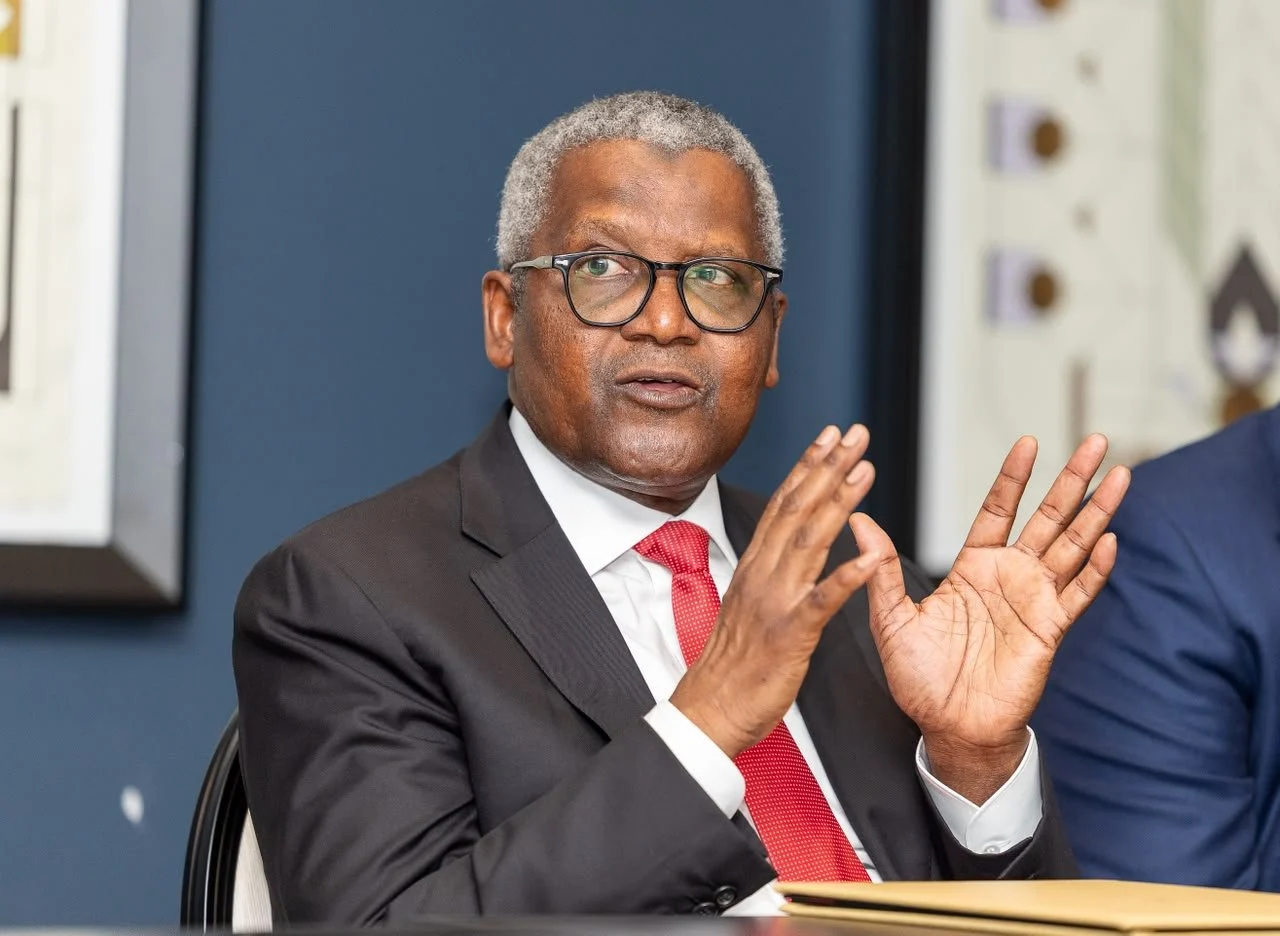
Nigerian billionaire Aliko Dangote is in talks with Ghana to process 500,000 metric tonnes of cocoa locally under a proposed agreement aimed at expanding value addition.
 News
Oyo Begins Verification for Circular Road Compensation
Oyo State Government will begin verifying property owners affected by the second segment of the Ibadan Circular Road ahead of compensation payments.
 News
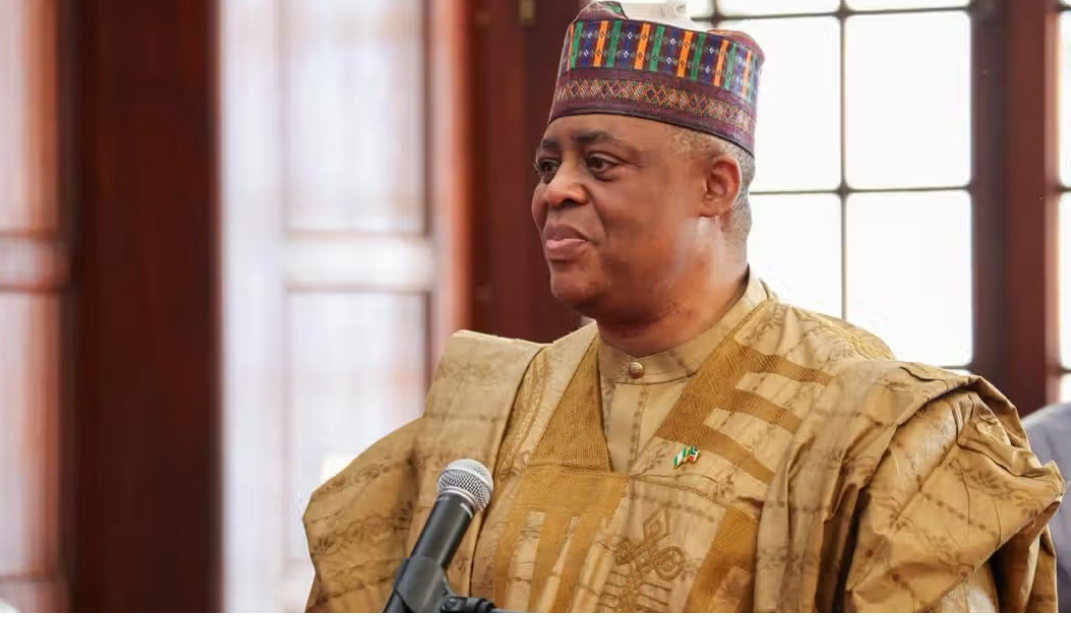
Fani-Kayode Accuses South African Presidency of Excluding His Speech from Letters of Credence Livestream
Nigeria’s High Commissioner to South Africa, Femi Fani-Kayode, has protested the omission of his speech from a presidential livestream, alleging deliberate exclusion.
 News
FCC Files Charges Against Customs CG Over Failure to Provide 2025/2026 Recruitment Information
The Federal Character Commission has filed criminal charges against Customs and its Comptroller-General over alleged breaches of recruitment monitoring and disclosure requirements.
Comments (0)
Leave a comment
All comments are moderated before publishing. Your email is never published.