
Teacher Crisis: 32m Nigerian Pupils Share 592,077 Teachers
Nigeria’s public schools face a severe teacher shortage, with 31.8 million pupils sharing just 592,077 teachers, giving a national learner–teacher ratio of 53.8:1 and as high as 88:1 in some states, according to the Ministry of Education’s Digital NEMIS data.
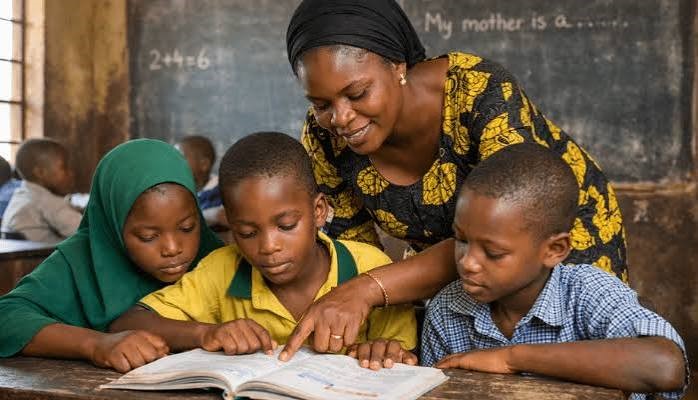
Nigeria’s public education system is facing a major teacher-capacity crisis, with 31,827,244 learners relying on 592,077 teachers, resulting in a national learner–teacher ratio of 53.8 to one, according to data from the Ministry of Education’s Digital Nigeria Education Management Information System (NEMIS) obtained on Monday.
The figures mean that, on average, one teacher is serving nearly 54 learners in Nigeria’s public schools, while in some states the pressure is substantially higher, with the learner–teacher ratio rising to 88 learners to one teacher in Kano and 87.4 to one in Katsina.
In 11 states, the learner–teacher ratio exceeds 50:1, far above the internationally recommended benchmark of 40:1 for primary education, indicating severe strain on teaching capacity and learning quality.
The 592,077 teachers are responsible for learners using 394,836 classrooms, producing a national learner–classroom ratio of 60.1 to one.
This implies that, on average, 60 pupils are sharing a single classroom, with some states recording even worse congestion.
Kano State has the highest learner–classroom ratio at 102.6 to one, followed by Katsina at 95.1 to one and Jigawa at 88.1 to one, reflecting extreme overcrowding in many public schools.
In contrast, the Federal Capital Territory (FCT) has the lowest learner–classroom ratio at 22.6 to one, followed by Osun at 27.2 to one and Ekiti at 30.1 to one.
The data also shows that 20,121,220 pupils, representing 63.2 per cent of the total, are enrolled in primary schools, while 11,706,024, or 36.8 per cent, are in junior and senior secondary schools.
The teacher shortage is most acute in northern states, where Kano, Katsina, Jigawa, Bauchi and Kaduna together account for more than 11.5 million learners but have some of the highest learner–teacher and learner–classroom ratios in the country.
Kano has 3,228,312 learners and 36,656 teachers, producing a learner–teacher ratio of 88:1 and a learner–classroom ratio of 102.6:1.
Katsina has 2,392,272 learners and 27,372 teachers, with a learner–teacher ratio of 87.4:1 and a learner–classroom ratio of 95.1:1.
Jigawa has 1,982,620 learners and 22,504 teachers, with a learner–teacher ratio of 88.1:1 and a learner–classroom ratio of 88.1:1.
Bauchi has 1,982,064 learners and 31,520 teachers, with a learner–teacher ratio of 62.9:1 and a learner–classroom ratio of 62.9:1.
Kaduna has 1,937,064 learners and 37,248 teachers, with a learner–teacher ratio of 52:1 and a learner–classroom ratio of 52:1.
In the south, Lagos has 1,122,048 learners and 32,016 teachers, with a learner–teacher ratio of 35:1 and a learner–classroom ratio of 35:1.
Rivers has 717,024 learners and 16,128 teachers, with a learner–teacher ratio of 44.5:1 and a learner–classroom ratio of 44.5:1.
The NEMIS data was compiled from 28,292 public schools across Nigeria’s six geopolitical zones, covering federal, state and local government schools.
The data excludes private schools, which account for a significant portion of basic education enrolment in urban areas.
Education experts say the high learner–teacher and learner–classroom ratios undermine instructional quality, increase teacher workload and contribute to poor learning outcomes, including low literacy and numeracy levels.
They also warn that overcrowded classrooms and insufficient teachers make it difficult to implement learner-centred pedagogies, provide individual attention or manage special needs and remedial support effectively.
The shortage is compounded by uneven distribution of teachers, with rural and conflict-affected areas often experiencing the greatest deficits.
Some states have begun recruiting additional teachers and rehabilitating classrooms, but funding constraints, delayed salaries and limited infrastructure continue to hamper progress.
The Federal Government has approved the absorption of 3,252 long-serving PTA teachers in federal unity colleges into the civil service, a move expected to ease teacher shortages in those schools.
However, analysts say a much larger recruitment drive, improved teacher welfare, better deployment strategies and sustained investment in classroom infrastructure will be needed to bring Nigeria’s learner–teacher and learner–classroom ratios closer to international benchmarks.
Sponsored

Related stories
 Tech & Education
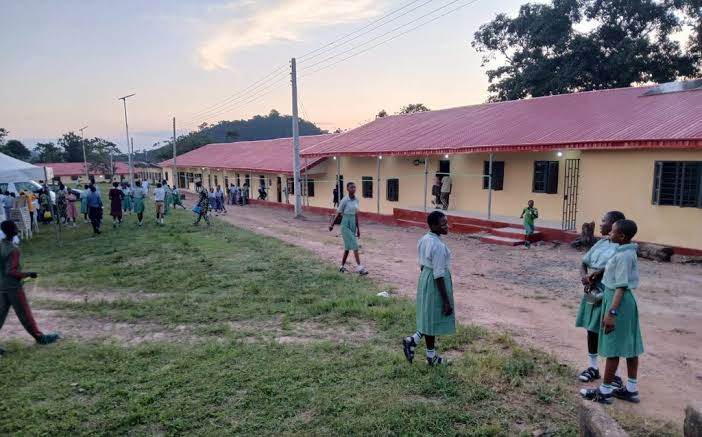
Bamidele Unveils N200m Renovated Science College
Senate Leader Opeyemi Bamidele has commissioned the renovated Government Science College, Iyin-Ekiti, personally funded at over N200 million, donating buses to the school and nearby FUTESI while promising a second phase of upgrades.
 Tech & Education
Abia Students Crowned Global Debate Champions
Students from public schools in Abia State, representing Nigeria, have emerged overall champions at the 2026 International Schools Debate Championship in Doha, Qatar, winning four major trophies and 12 laurels after defeating teams from Jordan, India, Qatar, the Philippines, Kenya and others. The historic victory has been hailed as proof that Governor Alex Otti's education reforms are producing world-class scholars.
 Tech & Education
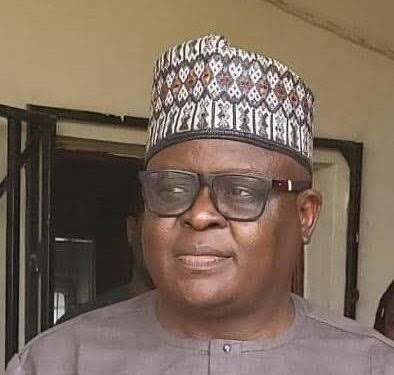
WAEC Appoints Suleiman Kum as New Head of Nigeria National Office
The West African Examinations Council has appointed 56-year-old Suleiman Danlami Kum as the new Head of the Nigeria National Office, succeeding Dr Amos Josiah Dangut, who has assumed office as the council’s Registrar and Chief Executive Officer. A seasoned test developer, administrator and executive with 28 years of service, Kum is expected to drive technological innovation and examination security across Nigeria’s foremost examinations body.
 Tech & Education
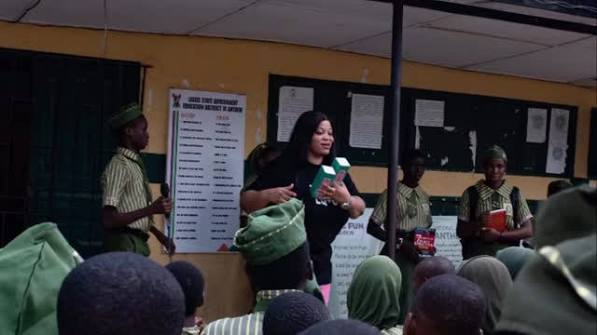
Emmanuel College ’88 Set Renovates Classrooms, Pays Exam Fees
The Progressives of the Unique 1988 Set of Emmanuel College Owerri have unveiled a renovated five-classroom block and paid NECO and WAEC fees for financially disadvantaged students at their alma mater.
Comments (0)
Leave a comment
All comments are moderated before publishing. Your email is never published.