
Senate Threatens Diplomatic Action Against South Africa Over Fresh Xenophobic Attacks
The Nigerian Senate has warned that Nigeria may review diplomatic relations with South Africa if renewed xenophobic attacks against Nigerians continue.
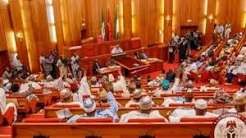
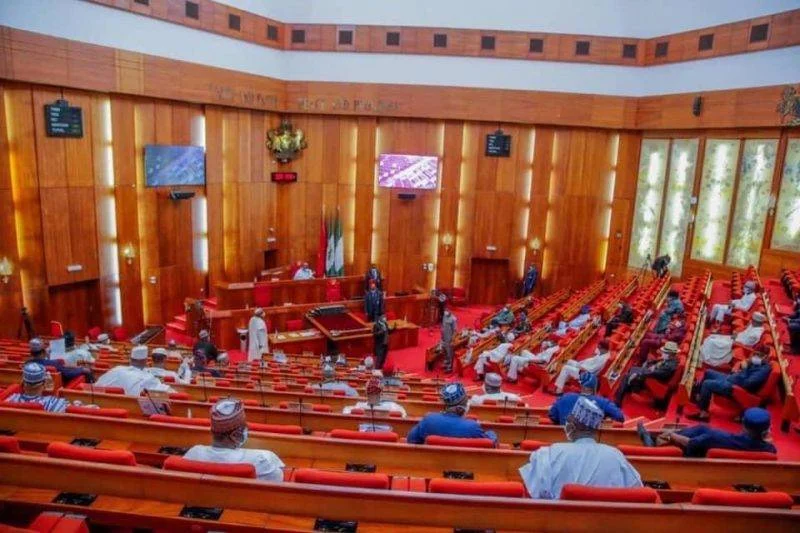
The Senate on Tuesday expressed deep concern over fresh reports of xenophobic attacks and intimidation targeting Nigerians in South Africa, warning that Nigeria would no longer tolerate repeated assaults on its citizens abroad.
The resolution followed a motion sponsored by Senator Asuquo Ekpeyong, who drew the attention of lawmakers to a reported June 30, 2026 ultimatum allegedly issued to Nigerians living in South Africa. The Senate described the development as a serious threat to the safety, dignity, and livelihoods of Nigerians resident in the country.
During plenary, several senators condemned what they described as the recurring persecution of Nigerians and other African migrants in South Africa, noting that the attacks had over the years led to loss of lives, destruction of businesses, displacement of families, and growing diplomatic tension between both countries.
Lawmakers called on the Federal Government, through the Ministry of Foreign Affairs, the Nigerian High Commission in South Africa, and the Nigerians in Diaspora Commission, to immediately engage South African authorities and obtain firm written guarantees for the safety of Nigerians.
Senator Salihu Mustapha of Kwara Central urged the Federal Government to adopt a tougher position, saying Nigeria could not continue to watch its citizens being killed and their businesses destroyed without consequences.
“We cannot continue to fold our arms while Nigerians are being killed and their businesses looted,” Mustapha said, adding that Nigeria must begin “robust engagement” with Pretoria. He went further to suggest that Nigeria should consider severing diplomatic relations with South Africa if the situation persists.
However, some lawmakers urged caution. Former Senate Leader, Senator Yahaya Abdullahi, warned that the attacks should not be viewed in isolation, arguing that they may be connected to wider political tensions within South Africa. Abdullahi recalled Nigeria’s historical role in the anti-apartheid struggle and support for liberation movements such as the African National Congress, SWAPO, and FRELIMO, but stressed that Nigeria must carefully weigh its response.
After extensive deliberations, the Senate adopted resolutions directing the Federal Government to demand the arrest and prosecution of those responsible for attacks on Nigerians. It also called for a comprehensive record of Nigerians who had suffered death, injury, displacement, unlawful detention, or loss of property in South Africa, with a view to pursuing legal redress and compensation.
The Senate further urged the Federal Government to work with other affected African countries and the African Union to establish an early warning and accountability mechanism to prevent future xenophobic attacks across the continent.
In a more forceful intervention, Senator Abdul Ningi proposed that President Bola Tinubu should begin the process of severing diplomatic ties with South Africa if the attacks continue. Senator Adams Oshiomhole also suggested that Nigeria should consider appropriating profits from South African companies operating in Nigeria and use the funds to compensate Nigerian victims of xenophobic attacks.
Oshiomhole argued that South African companies continue to benefit from the Nigerian market while Nigerians face hostility in South Africa. He said Nigeria could not allow its citizens to suffer abroad while South African investments continued to thrive at home without consequences.
Deputy Senate President Jibrin Barau, who presided over the session, urged restraint and persuaded senators to allow the relevant committees to investigate the matter before drastic measures are taken. He said Nigeria, as a leading African nation, must act on verified facts and lead by example.
The matter was eventually referred to the Senate Committees on Foreign Affairs and Diaspora Affairs. The committees were directed to review the implementation of the Senate’s earlier May 5, 2026 resolution on xenophobic attacks, examine existing bilateral agreements between Nigeria and South Africa, and report back within two legislative weeks.
The latest Senate intervention comes amid rising pressure on the Federal Government to take stronger action over attacks on Nigerians in South Africa. Student groups and civil society organisations have also threatened protests against South African business interests in Nigeria if the violence continues.
The Senate maintained that while Nigeria remains committed to African unity and regional cooperation, the protection of Nigerian lives and property must remain non-negotiable.
Related stories
 News
News
Why Lawmakers Can’t Intervene in PFIPC Budget Scandal — Senate
The Senate said it cannot investigate the PFIPC controversy because no petition was submitted and the matter is already before the courts
 News
News
Russia Breaks Silence on Death of Nigerian Student Killed by Airstrike
The Russian Embassy expressed condolences over the death of a Nigerian student, saying investigations are ongoing and responsibility for the incident remains unconfirmed.
 News
News
ADC Slams ICPC Over El-Rufai Doctor’s Arrest, Alleges Wife Assaulted
ADC condemned the ICPC over the arrest of Nasir El-Rufai’s doctor, alleging his wife was assaulted and his constitutional rights were violated.
 News
News
Presidency Reacts to Viral Video of Tinubu, Ministers Reciting Old National Anthem
The Presidency said a viral video showing President Tinubu reciting the old national anthem was recorded before the new anthem became official.
Comments (0)
Leave a comment
All comments are moderated before publishing. Your email is never published.