
Nigeria Escapes Economic Collapse, Moves To Stability — Finance Minister
Finance Minister Taiwo Oyedele says Nigeria has avoided economic collapse, insisting reforms have restored stability and laid the foundation for inclusive long-term economic growth.
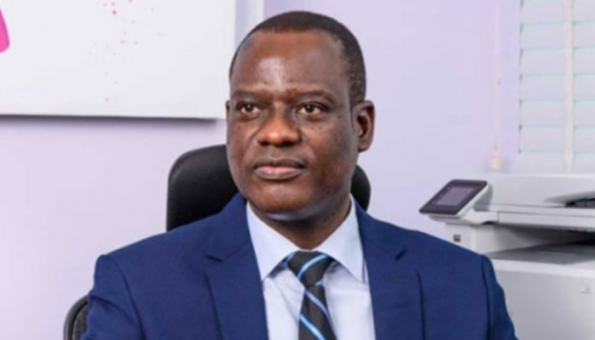
The Federal Government has declared that Nigeria has successfully averted economic collapse and is now on the path to macroeconomic stability following a series of reforms introduced by the administration of President Bola Tinubu.
The Minister of Finance and Coordinating Minister of the Economy, Taiwo Oyedele, made the assertion while addressing participants at the Nigeria Employers’ Summit 2026 in Abuja, organised by the Nigeria Employers’ Consultative Association.
According to a statement issued by the minister’s Senior Special Assistant on Communications and Press Secretary, Maryann Duke, Oyedele said the reforms implemented by the current administration were necessary to prevent fiscal insolvency and stabilise the economy.
He explained that before the reforms, Nigeria’s financial system faced severe challenges, with a significant portion of oil revenues consumed by fuel subsidy payments while debt servicing obligations absorbed much of the country’s non-oil income.
The minister said the situation left little room for investment in infrastructure and other critical public services, making comprehensive reforms unavoidable.
“The reforms were not optional; they were necessary to prevent economic collapse. The task before us now is to consolidate the gains, deepen stability and accelerate productive, inclusive growth that improves the lives of Nigerians,” Oyedele said.
He acknowledged that the reforms initially imposed hardships on citizens and businesses but maintained that the most difficult phase had passed, creating a more stable environment capable of attracting investment and supporting long-term economic growth.
On concerns over government borrowing, the minister argued that public debt should be viewed as a fiscal instrument for development rather than as evidence of economic failure.
He also highlighted recent tax reforms, saying they were designed to protect low-income earners and small businesses while ensuring wealthier individuals and larger organisations contribute more to national development.
Participants at the summit, including private sector leaders and economic experts, welcomed signs of improving macroeconomic stability but urged the government to ensure that the gains translate into lower business costs and improved living standards for Nigerians.
They also called for greater investment in infrastructure, healthcare financing and other sectors capable of supporting sustainable economic growth and improving productivity across the country.
Related stories
 News
News
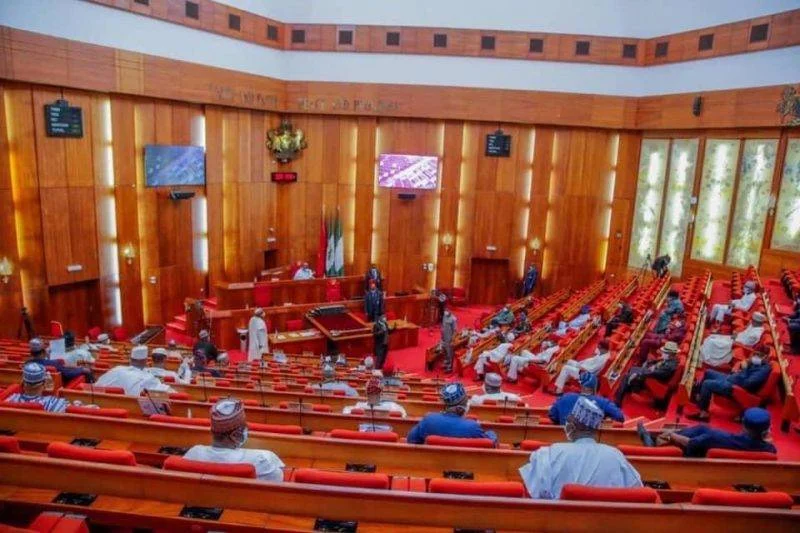
Why Lawmakers Can’t Intervene in PFIPC Budget Scandal — Senate
The Senate said it cannot investigate the PFIPC controversy because no petition was submitted and the matter is already before the courts
 News
News
Russia Breaks Silence on Death of Nigerian Student Killed by Airstrike
The Russian Embassy expressed condolences over the death of a Nigerian student, saying investigations are ongoing and responsibility for the incident remains unconfirmed.
 News
News
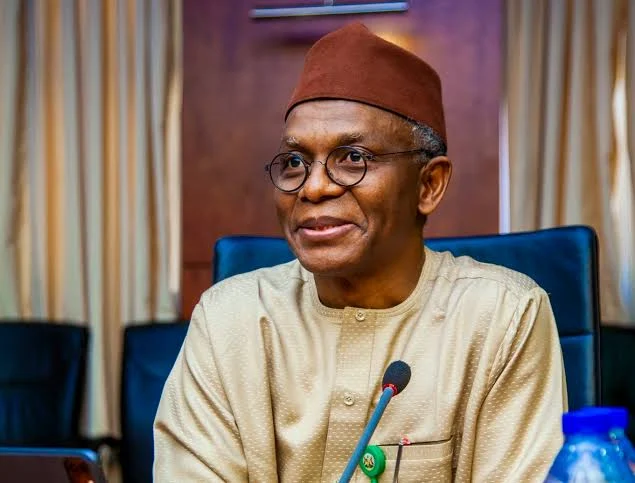
ADC Slams ICPC Over El-Rufai Doctor’s Arrest, Alleges Wife Assaulted
ADC condemned the ICPC over the arrest of Nasir El-Rufai’s doctor, alleging his wife was assaulted and his constitutional rights were violated.
 News
News
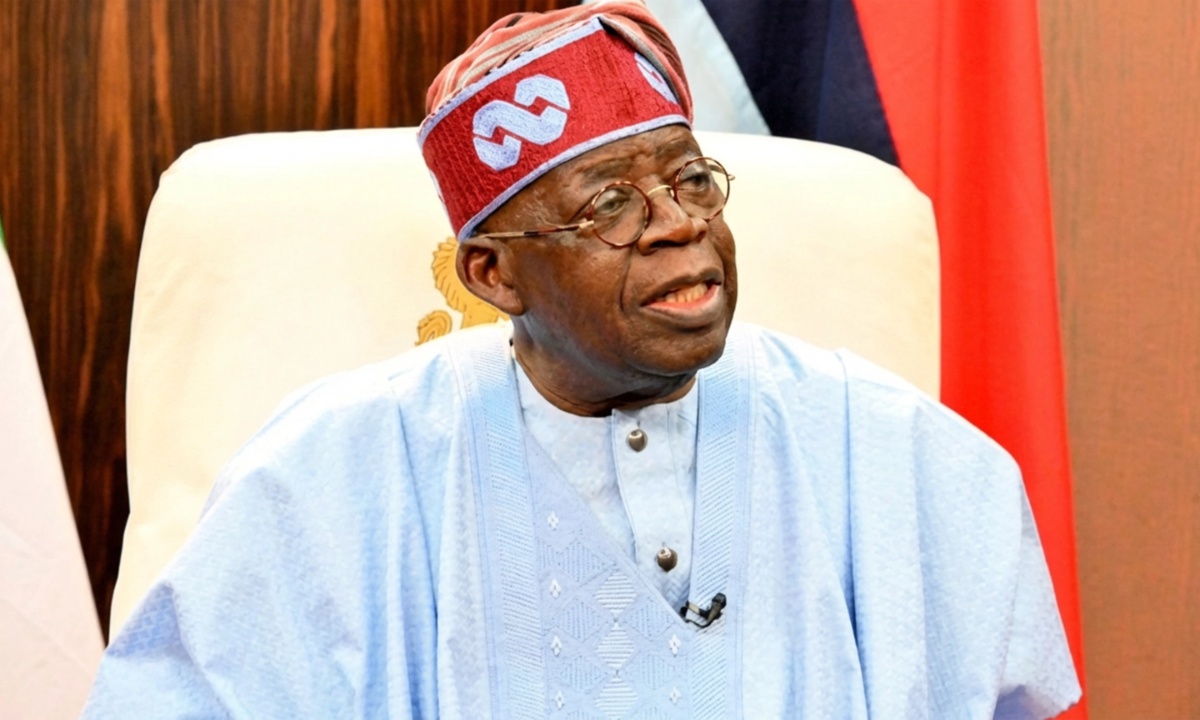
Presidency Reacts to Viral Video of Tinubu, Ministers Reciting Old National Anthem
The Presidency said a viral video showing President Tinubu reciting the old national anthem was recorded before the new anthem became official.
Comments (0)
Leave a comment
All comments are moderated before publishing. Your email is never published.