
Saudi Arabia Faces Economic Contraction as War Woes Mount
IMF forecasts Saudi Arabia’s economy to contract in 2026 as war disrupts exports and investment.
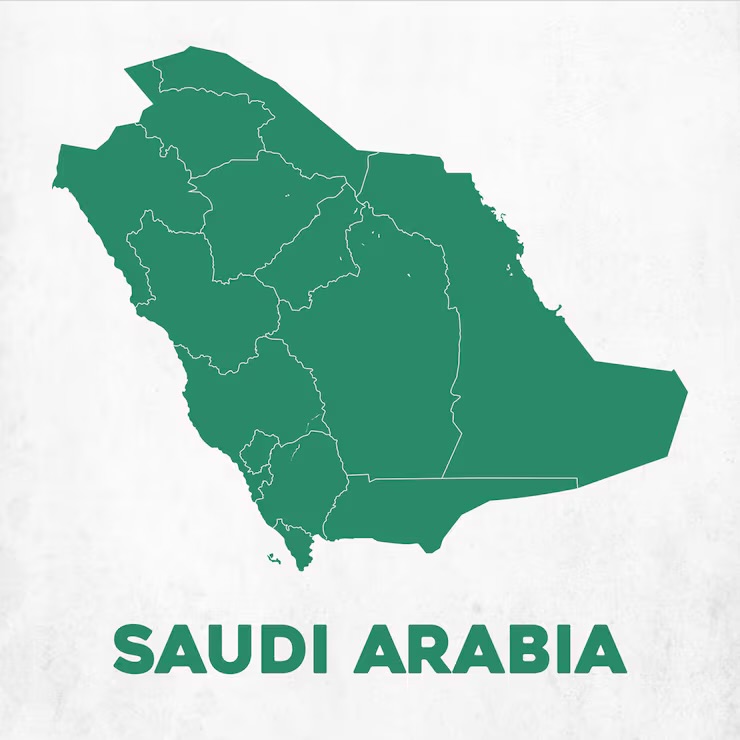
Saudi Arabia is facing an economic downturn as the escalating Middle East conflict disrupts oil exports, damages critical infrastructure and threatens investor confidence, adding pressure to the kingdom’s ambitious economic diversification programme.
The International Monetary Fund (IMF), in its latest World Economic Outlook released on Tuesday, October 13, projected that Saudi Arabia’s economy would contract by 3.3 per cent in 2026, reversing earlier expectations of economic growth.
The revised outlook reflects the impact of the war involving the United States, Israel and Iran, which has disrupted shipping through the Strait of Hormuz and affected energy production and trade across the region.
Although Saudi Arabia has redirected some crude exports through its East-West pipeline to Red Sea ports, the disruption has continued to weigh on the country’s oil sector and broader economic activity.
The kingdom has also faced intensified attacks by Yemen’s Iran-backed Houthi movement. Recent missile and drone strikes have targeted airports and energy infrastructure, raising concerns about the security of key economic assets.
Reuters reported on Monday that attacks on Saudi infrastructure had heightened risks for the country’s economic plans, while international business executives and energy industry leaders reconsidered travel and participation in major events.
The security situation has also raised questions about Saudi Arabia’s ability to attract foreign investment as it pursues Crown Prince Mohammed bin Salman’s Vision 2030 programme. The initiative aims to reduce dependence on oil revenues by expanding tourism, manufacturing, logistics and other non-oil industries.
The conflict comes at a sensitive time for the kingdom, which has invested heavily in large-scale development projects intended to transform its economy and attract international businesses.
Despite the challenges, Saudi Arabia retains substantial financial reserves and alternative infrastructure for transporting oil. Higher global crude prices have also helped offset some losses associated with reduced export volumes.
The IMF expects regional economic conditions to improve in 2027 if shipping routes reopen and production and trade return towards normal levels.
However, continued military escalation, infrastructure damage and uncertainty over maritime transport could prolong the economic disruption.
The latest forecast highlights the growing financial consequences of the conflict for Saudi Arabia and other Middle Eastern economies, with the scale of recovery depending partly on the duration of the war and the restoration of regional trade.
Sponsored

Related stories
 News
News
NSA Unveils New Security Framework to Tackle Oil Theft, Pipeline Vandalism
Nuhu Ribadu unveils standard procedures to coordinate security agencies and contractors, protect oil infrastructure and curb crude theft.
 News
News
Child Soldier: US Threatens to Cut Military Aid to Nigeria
US listing cites child recruitment by Boko Haram and ISWAP, threatening restrictions on military assistance.
 News
News
IMF Warns Poverty Risks Persist Despite Nigeria’s Economic Stability
The IMF warns that rising food and energy prices continue to threaten vulnerable Nigerians despite improving economic stability and growth.
 News
News
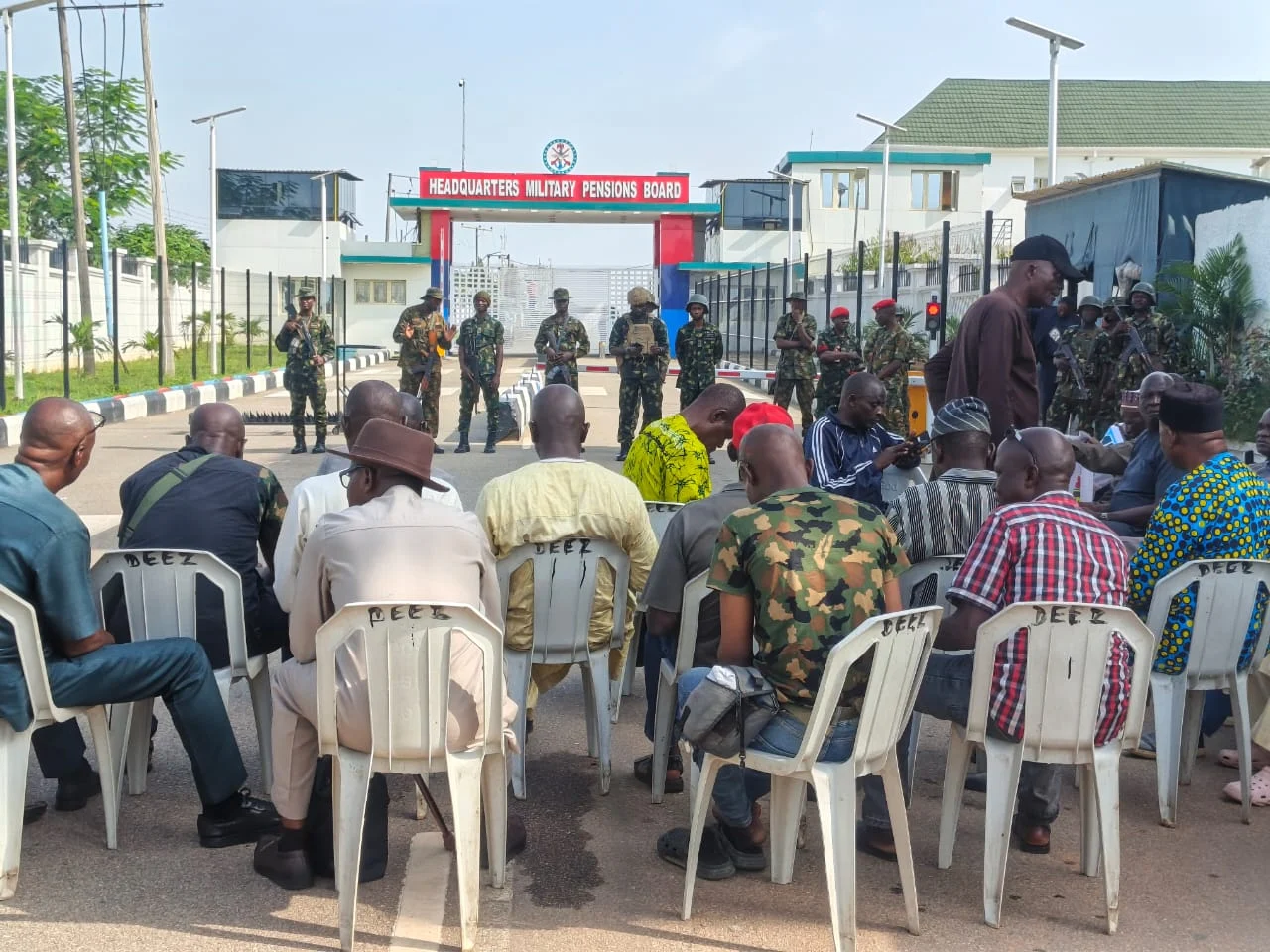
Military Veterans Block Pensions Board Entrance, Demand Fair Adjustment
Retired military personnel in Abuja protest pension calculations, demanding a fair review of adjustments linked to salary increases.
Comments (0)
Leave a comment
All comments are moderated before publishing. Your email is never published.