
‘Priceless Gift of Sight’ Reaches 400,000 Beneficiaries
FCMB and the Tulsi Chanrai Foundation say their 15-year eye care partnership has reached over 400,000 Nigerians, as a World Sight Day roundtable in Abuja pushes for private-sector funding to sustain and expand care.
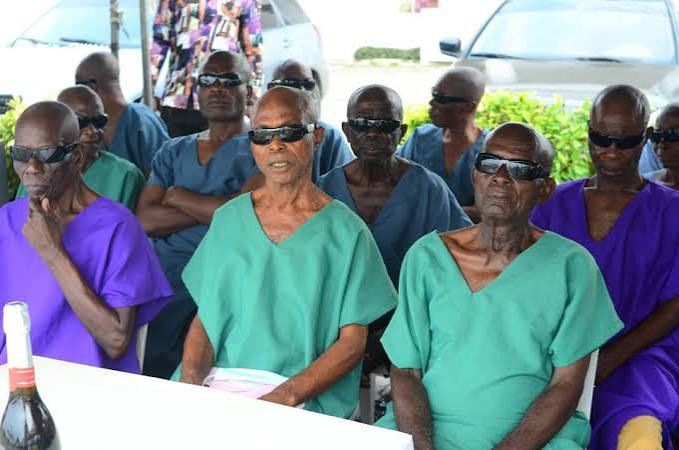
First City Monument Bank (FCMB) and the Tulsi Chanrai Foundation (TCF) have marked World Sight Day with a renewed push for sustainable funding of eye care in Nigeria, as their joint "Priceless Gift of Sight" programme crosses more than 400,000 beneficiaries after over 15 years.
The initiative, launched in 2009, provides free eye testing, optical services, glasses, cataract surgeries, and disease-management interventions to underprivileged adults and children across Nigerian communities. According to FCMB, more than 400,000 Nigerians had benefited by July 2024. Earlier programme data showed that surgeries had restored sight to roughly 17,000 visually impaired people when the programme passed 300,000 beneficiaries, with the remainder receiving eye tests and corrective glasses.
Last week's World Sight Day commemoration put the next challenge in focus: making care accessible to more people and keeping it available. To address that, FCMB convened a roundtable with the Federal Ministry of Health and Social Welfare, through its National Eye, Ear and Sensory Functions Health Programme, and TCF to discuss partnerships and sustainable funding. The central argument was practical. Eye tests must lead to treatment, clinics need skilled staff and functioning equipment, and patients need support to complete their care.
At the Abuja roundtable, themed "Gift of Sight," Minister of State for Health and Social Welfare, Dr Adekunle Salako, called on the private sector to channel domestic capital into eye-health infrastructure, workforce development, technology, medicines, and community-based services. He cited the FCMB-TCF partnership as an example of what sustained private intervention can achieve.
The scale of Nigeria's eye health challenge frames the urgency. Speaking at the same event, Sightsavers Nigeria Country Director, Joy Shuaibu, said about 4.2 million Nigerians aged 40 and above are blind or visually impaired, and noted that 84 per cent of blindness is avoidable. She said FCMB's long-running experience showed the value of long-term partnerships. Separate reporting on the roundtable put the number of Nigerians facing vision loss at about 24 million, underscoring how far current services fall short of need.
The programme's origins reflect a simple premise. Many people in underserved communities lose their sight to conditions such as cataracts that are readily treatable with surgery, but cost, distance, and limited access to specialists keep them from care. The partnership between FCMB and TCF, an India-based foundation with long experience in eye care delivery, was designed to bring that treatment directly to those communities through organised outreach.
FCMB and its partners say the goal remains close to everyday life: helping more people see a lesson, serve a customer, or find their way home. That framing points to the economic dimension of eye health. Untreated vision loss limits education, work, and independence, and cataract surgery in particular is widely regarded by health agencies as one of the most cost-effective interventions available.
The roundtable's emphasis on sustainable funding signals a shift in thinking. After more than a decade of largely donor- and corporate-funded outreach, stakeholders are now asking how eye care can be embedded in more permanent financing arrangements, so that services do not depend on the continued goodwill of a handful of sponsors.
Elsewhere in the country, World Sight Day activities reflected the same priorities. In Oyo State, the government distributed 1,500 free eyeglasses and provided free screening and consultations alongside professional bodies and service organisations.
With World Sight Day activities concluded, attention now turns to whether the partnerships and funding commitments discussed in Abuja translate into expanded services, particularly in the rural and underserved communities where avoidable blindness remains most concentrated.
.
Sponsored

Related stories
 Health
Diri Orders Free Quarterly Health Checks for All Bayelsa Residents at Secondary Facilities
Governor Douye Diri has directed Bayelsa's Ministry of Health to begin free quarterly medical check-ups across all eight local government areas, aimed at helping residents who cannot afford routine screening and promoting early detection of diseases.
 Health
FUNAAB Launches Africa’s First AI Disease Surveillance System
Researchers at the Federal University of Agriculture, Abeokuta, have developed IDS-Master, a groundbreaking AI-powered surveillance system that detects infectious disease outbreaks in real time by analysing reports from community leaders, health agents, and ordinary residents. Described as Africa's first fully AI-driven event-based surveillance platform, the innovation promises to bridge critical gaps in outbreak detection across underserved rural communities where delays in reporting can cost l
 Health
NAFDAC Seeks Global Partners for Local Vaccine Production
The Director-General of the National Agency for Food and Drug Administration and Control (NAFDAC), Prof. Mojisola Adeyeye, has called on international partners to support the establishment of vaccine manufacturing facilities in Nigeria, saying local production is the missing link in the agency’s push to attain World Health Organisation Maturity Level 4 for vaccine lot release. She spoke at the 8th Nigeria Pharma Manufacturers’ Expo in Lagos, where she commended President Bola Tinubu’s Executive
 Health
FG Targets 70% Local Drug Production by 2029
The Federal Government is considering a two-year extension of its pharmaceutical manufacturing Executive Order to March 2029, as manufacturers push to cut Nigeria's 70% drug import dependence and position the country as West Africa's pharma hub.
Comments (0)
Leave a comment
All comments are moderated before publishing. Your email is never published.